




The Amino Acid Puzzle
To understand protein powders, you first have to understand protein itself. Proteins are made of building blocks called amino acids. Your body needs 20 different amino acids to function, but nine of them, known as essential amino acids (EAAs), must come
from your diet. After a workout, your muscles are essentially damaged and need these amino acids to repair and grow stronger. Leucine, one of the EAAs, is particularly important as it acts like a switch that kicks off muscle protein synthesis—the process of rebuilding muscle tissue. Animal-based proteins like whey are considered 'complete' because they contain high levels of all nine EAAs, but most plant proteins tell a different story.
The 'Limiting' Factor of Single Sources
Most single-source plant proteins, like those from peas, rice, or hemp, are considered 'incomplete'. This doesn't mean they are bad; it simply means they are low in one or more of the essential amino acids. This deficiency is known as a 'limiting amino acid' because it can create a bottleneck, preventing your body from effectively using the other amino acids for muscle repair. For example, pea protein is a fantastic source of most amino acids but is low in methionine. On the other hand, brown rice protein has plenty of methionine but is lacking in lysine. So, if you rely solely on one of these after a tough workout, you might not be giving your muscles the complete set of tools they need to recover optimally.
The Power of Protein Synergy
This is where blends come in and change the game. By combining different plant protein sources, manufacturers create a 'complete' protein profile that is far more powerful than any single source on its own. This strategy is called protein complementation. The classic and most effective combination is pea and rice protein. The high lysine content in pea protein perfectly complements the high methionine content in rice protein. Together, they fill each other's gaps, resulting in a robust amino acid profile that contains all nine EAAs in sufficient amounts. This synergistic blend effectively mimics the profile of animal-based proteins, providing your body with everything it needs for muscle synthesis.
Enhanced Digestion and Nutrient Variety
The benefits of a blend go beyond just amino acids. Many people who experience bloating or discomfort from dairy-based whey protein find plant proteins gentler on their system because they are naturally lactose-free. Blends often take this a step further. Different plant sources are broken down at slightly different rates, which may lead to a more sustained release of amino acids to your muscles over a longer period. Furthermore, using a blend means you're getting nutrients from multiple sources. Plant proteins are often rich in fiber, which aids digestion, and come packed with vitamins, minerals, and antioxidants that you won't find in isolated animal proteins. A blend of pea, rice, and hemp, for instance, delivers not just protein but also iron, B vitamins, and healthy fats.
Making the Smart Choice
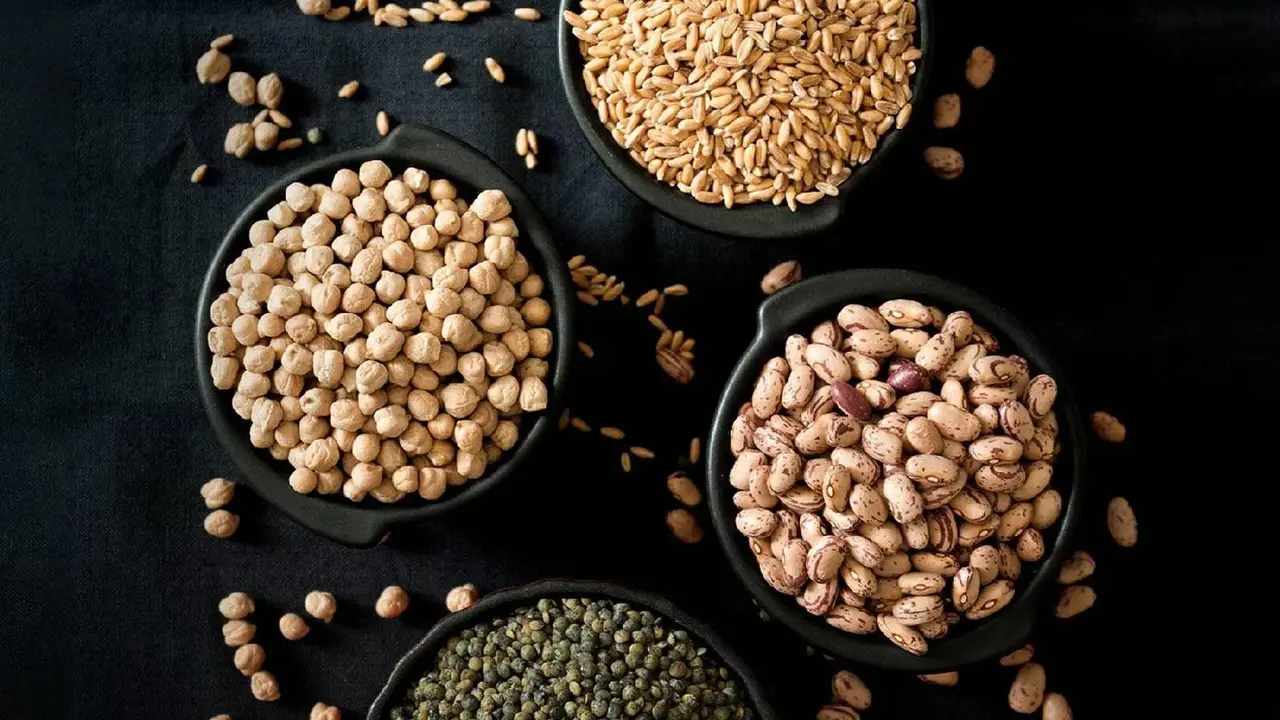
When you're shopping for a plant-based protein powder, the takeaway is clear: look for a blend. Check the ingredients list for multiple protein sources, such as a combination of a legume (like pea or fava bean) and a grain (like rice or wheat). Common high-quality blends feature pea and rice protein, but you might also see others that include pumpkin seed, hemp, or chia seed protein. While single-source powders are still beneficial, a well-formulated blend ensures you are getting a complete and highly effective protein to maximize your post-workout recovery, support muscle growth, and contribute to your overall health. It’s not a marketing gimmick—it’s just smarter science.