


The Moon's Hidden Sanctuaries
Before we can build lunar cities, we must find a way to protect astronauts from the Moon's extreme environment. The surface is bombarded by intense cosmic radiation, micrometeorites, and experiences wild temperature swings, from 120°C in the day to -130°C
at night. The most promising solution lies underground, in ancient tunnels known as lava tubes. These geological formations, carved out by flowing lava billions of years ago, are potentially massive — some large enough to house entire cities. Their thick rock ceilings could provide natural and effective shielding, maintaining a stable, cold temperature and protecting future inhabitants from the dangers outside.
The Challenge of Subterranean Scouting
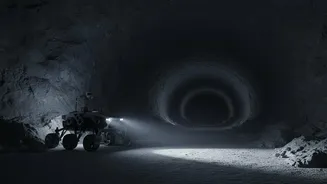
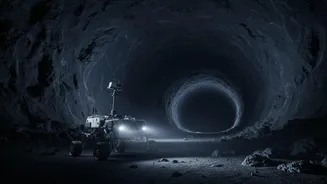
While lava tubes are ideal shelters, they are incredibly difficult to explore. Entrances are often deep, vertical pits, sometimes called 'skylights,' that are inaccessible to conventional rovers. The interiors are pitch-black, with unknown terrain that could be rugged, filled with sharp rocks, or feature unstable floors. Sending astronaut spelunkers would be extremely risky. Therefore, before any human sets foot inside, we need robotic scouts to go first, navigating the treacherous descent and mapping the interior to assess its safety and viability as a habitat.
Meet the Cave Explorers
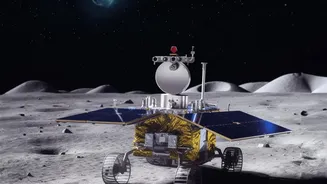
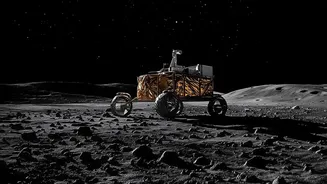
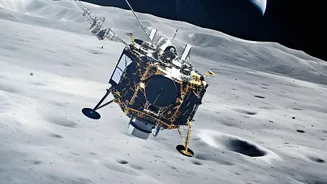
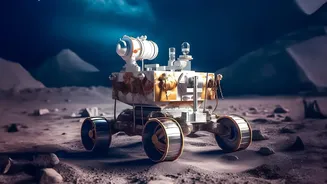
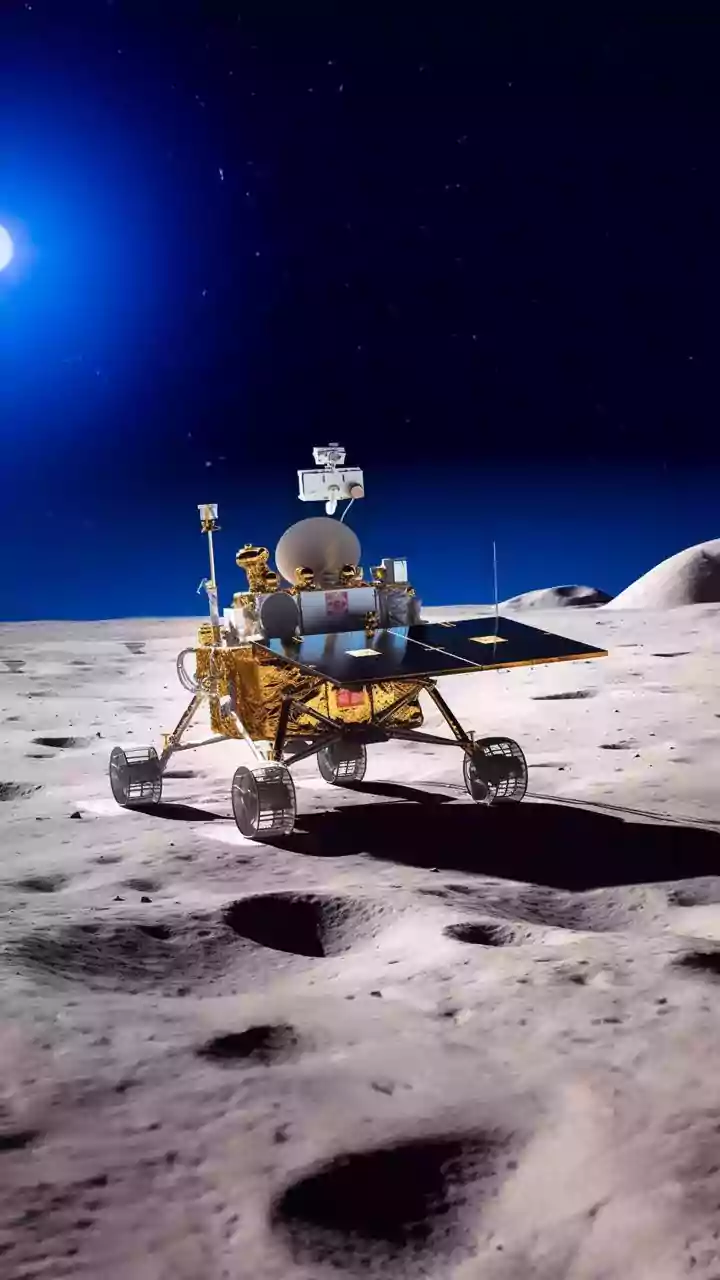
To meet this challenge, space agencies and universities are developing specialized subterranean rovers. These are not your typical six-wheeled surface explorers. One leading concept from the European Space Agency (ESA) is DAEDALUS, a 46-cm spherical robot designed to be lowered into a pit on a tether. Once at the bottom, it would disconnect and roll autonomously, using LiDAR to create 3D maps of the cave's interior. Its spherical shape is designed to protect its sensitive instruments as it navigates the rough environment. The complete mission concept involves a larger surface rover carrying a crane, RoboCrane, to carefully lower DAEDALUS into the pit.
A Team of Robots
Other approaches involve entire teams of robots working in cooperation. One European research team is testing a three-robot system. A larger, legged robot called SherpaTT drives to the pit's edge and acts as an anchor, lowering a smaller, agile scout rover named Coyote III into the cave. Meanwhile, a third rover helps map the surface area. This collaborative approach allows each robot to be specialized for its task, from surface transport to rappelling and deep-cave exploration. These systems have been tested in the volcanic caves of Lanzarote, Spain, which serve as an Earth-based analogue for the lunar environment.
From 3D Maps to Future Homes
The primary goal of these robotic missions is data collection. The rovers will create highly detailed, 3D maps of the lava tubes, measure radiation levels, analyze the geology, and check for resources like water ice, which may be trapped in these permanently cold regions. This information is critical for mission planners to select the best and safest locations for a future lunar base. Once a suitable tube is identified and thoroughly mapped, subsequent missions could involve deploying inflatable habitats or constructing structures within the protected confines of the cave, laying the groundwork for a permanent human presence on the Moon.