

Goodbye to the ‘Guest-Only’ Zone
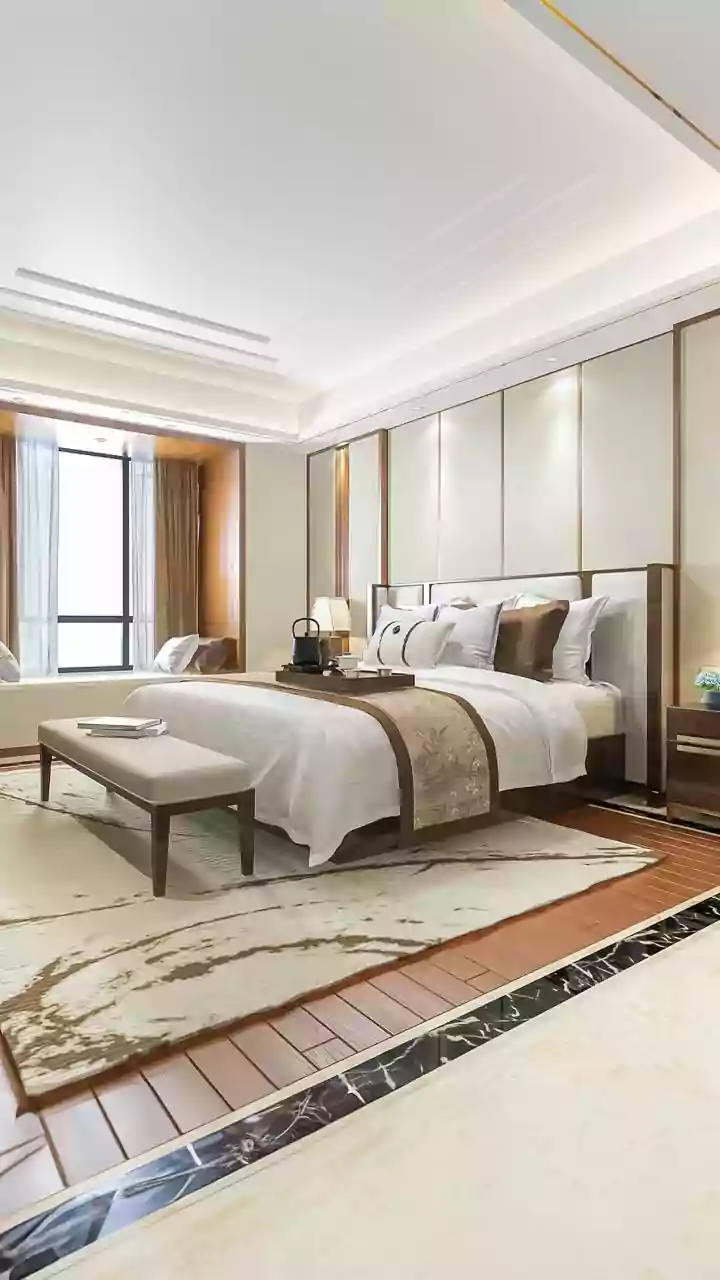
For decades, the Indian living room—or drawing room—was a space designed to impress, not to be lived in. It was a formal chamber with imposing sofas and vast, empty floors, often reserved exclusively for entertaining guests. This room was a symbol of affluence
and social standing, a place where the family’s best decor was on display but rarely used for everyday activities. The idea was to project an image of luxury through sheer space and formality. However, this concept is rapidly fading as homeowners now prioritize daily experience over occasional display. The modern living room has become a more fluid, personal, and adaptable setting for the family's actual life.
The Drivers of Change
Several factors are fuelling this transformation. Increasing urbanization means more people live in compact apartments where every square foot must be functional. The rise of nuclear families has also shifted the focus inward, towards creating comfortable environments for the immediate family rather than a large number of visitors. Perhaps the biggest catalyst has been the widespread adoption of work-from-home arrangements, which has blurred the lines between personal and professional life. Homes now need to accommodate work, study, and leisure, forcing a rethink of how space is used. This has led to a surge in demand for furniture and layouts that can support these new, overlapping needs.
Anatomy of the Modern Living Hub
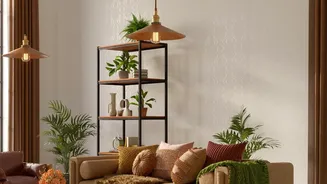
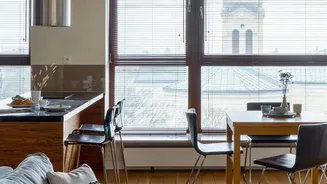
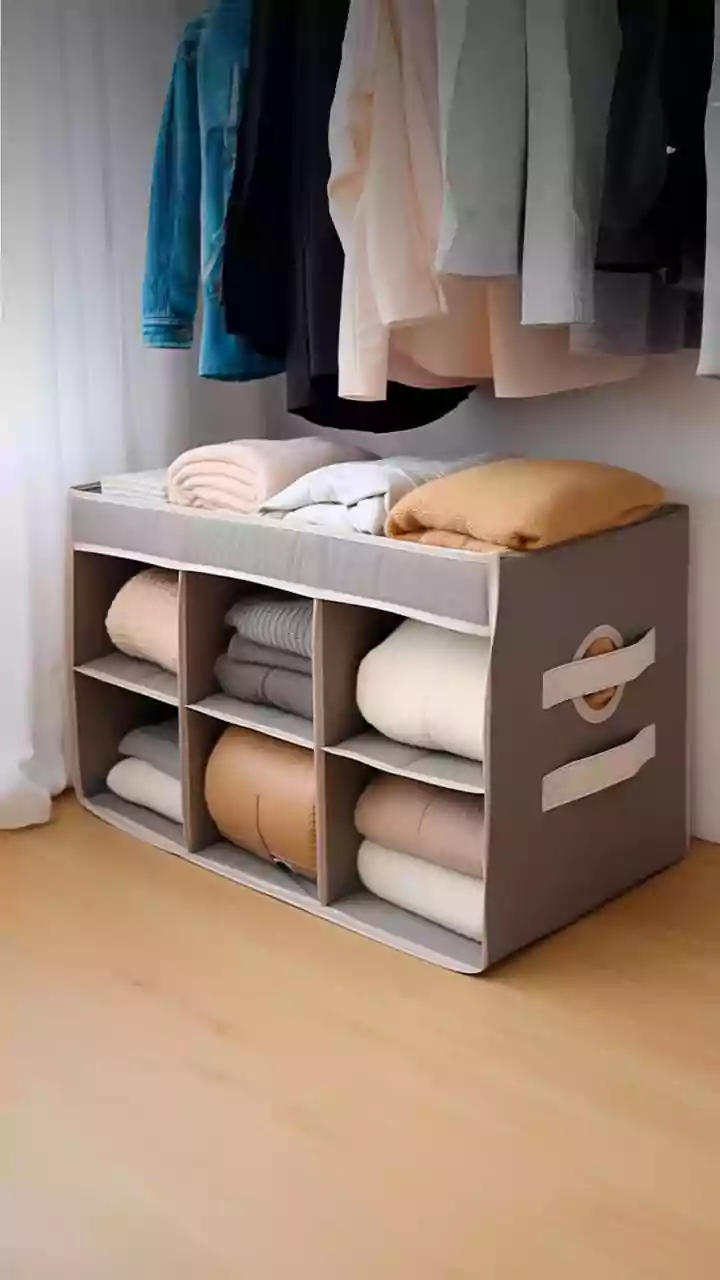
So, what does this new, hardworking living room look like? Multifunctionality is the core principle. Furniture that serves multiple purposes is no longer a niche choice but a mainstream necessity. Think sofa-beds for accommodating guests in smaller homes, coffee tables with hidden storage or lift-tops that convert them into desks, and expandable dining tables that can shrink or grow as needed. Open-plan layouts that merge the living, dining, and even kitchen areas are becoming standard, creating a sense of spaciousness and encouraging social interaction. Vertical space is also being cleverly utilized with wall-mounted cabinets and floating shelves to keep floors clear and reduce clutter.
Personal, Practical, and Full of Personality
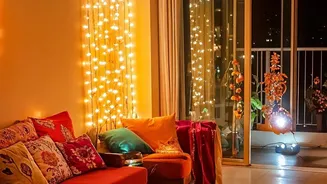
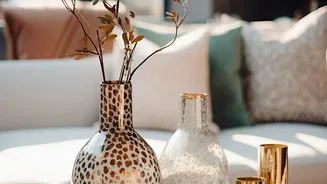
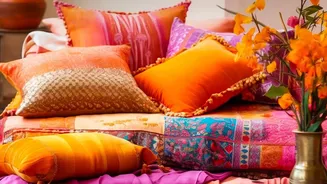
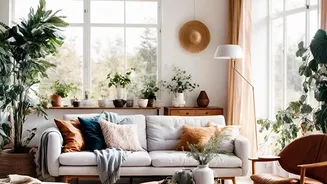
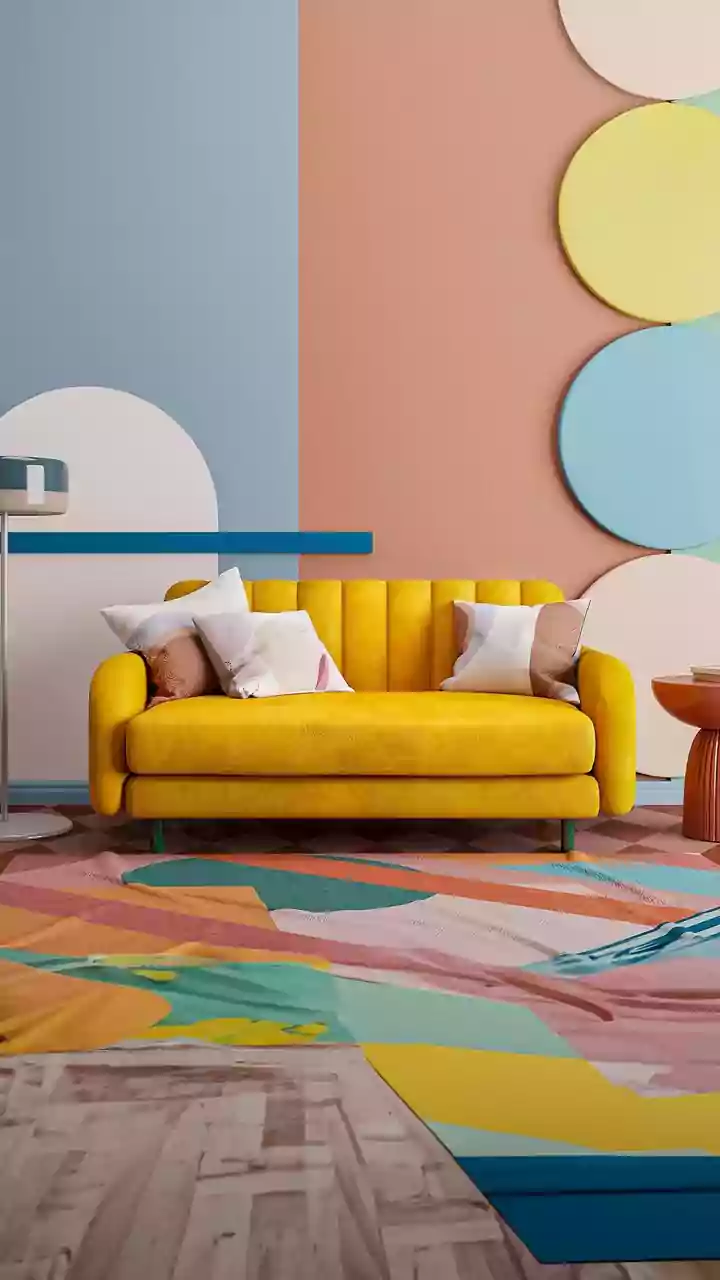
This shift is about more than just practicality; it's a move towards more personal and authentic living spaces. Homeowners are now decorating for their own comfort and joy, not just for the approval of guests. This translates into an aesthetic of 'warm minimalism,' where neutral palettes are combined with soft, earthy tones, and natural materials like rattan, cane, and wood. Instead of being purely for show, decor now reflects the family’s personality. Bold accent walls, layered textiles, and personal art collections are used to create a space that feels lived-in and loved. Smart lighting systems allow the mood of the room to be changed instantly, transitioning it from a bright workspace during the day to a cozy family den at night.