


The Old Rules of Occasionwear
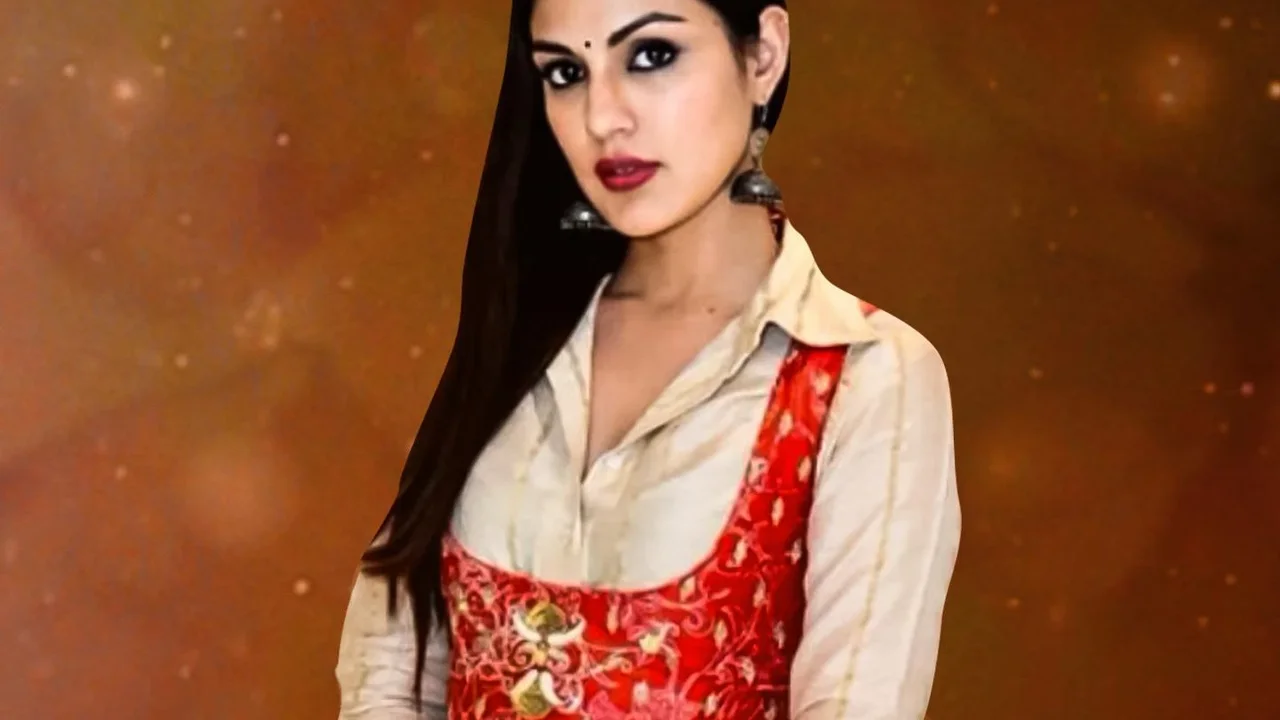
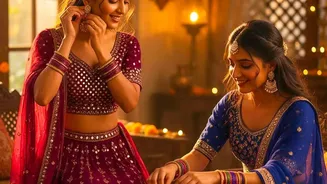
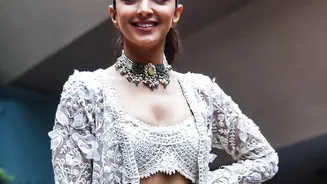
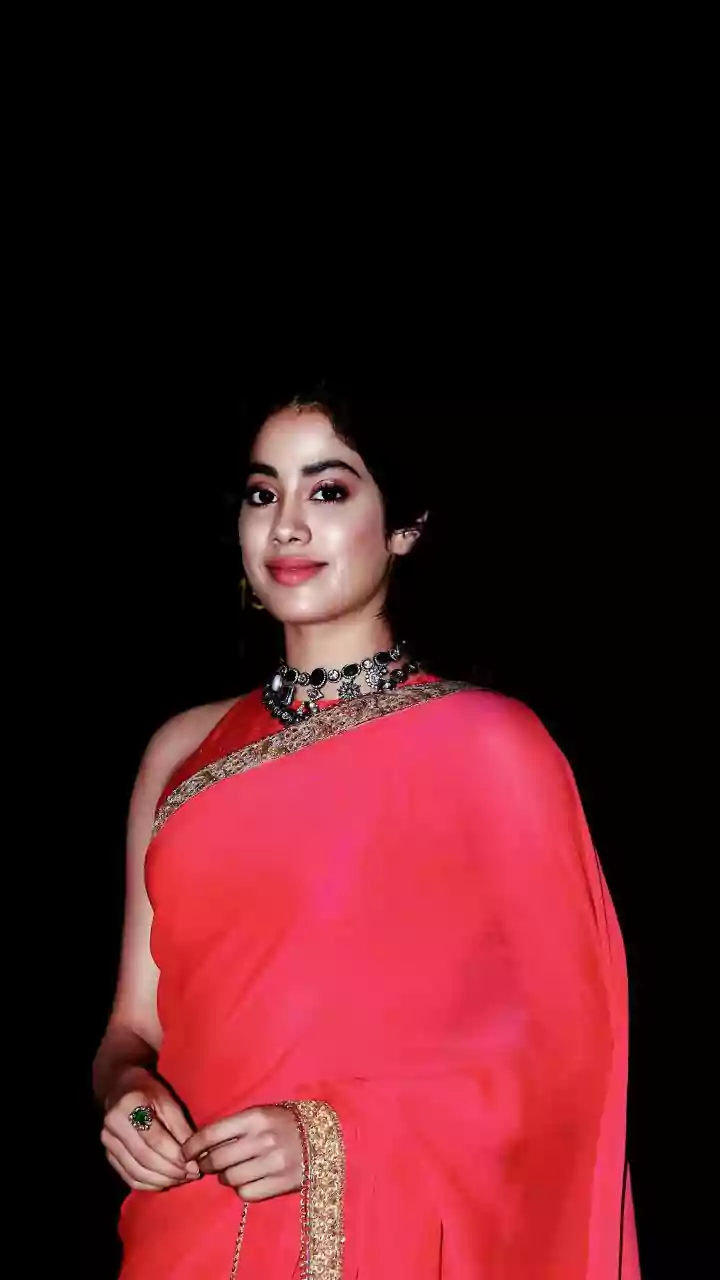
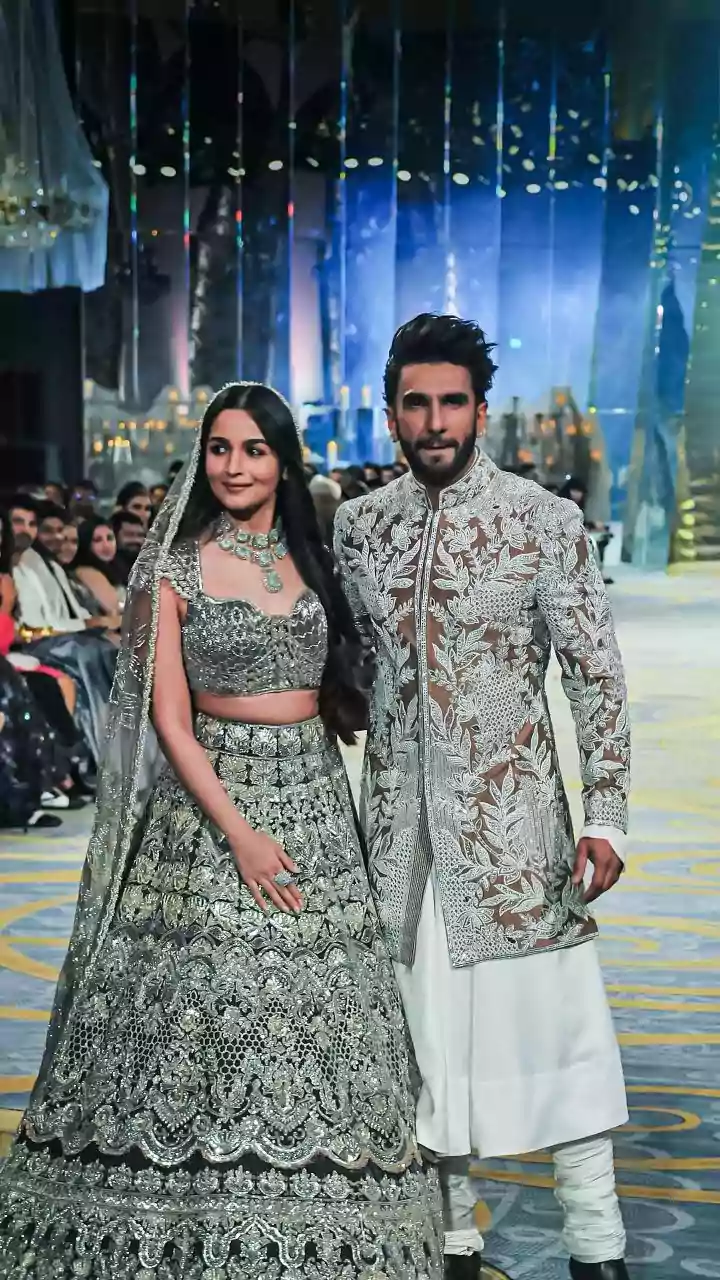
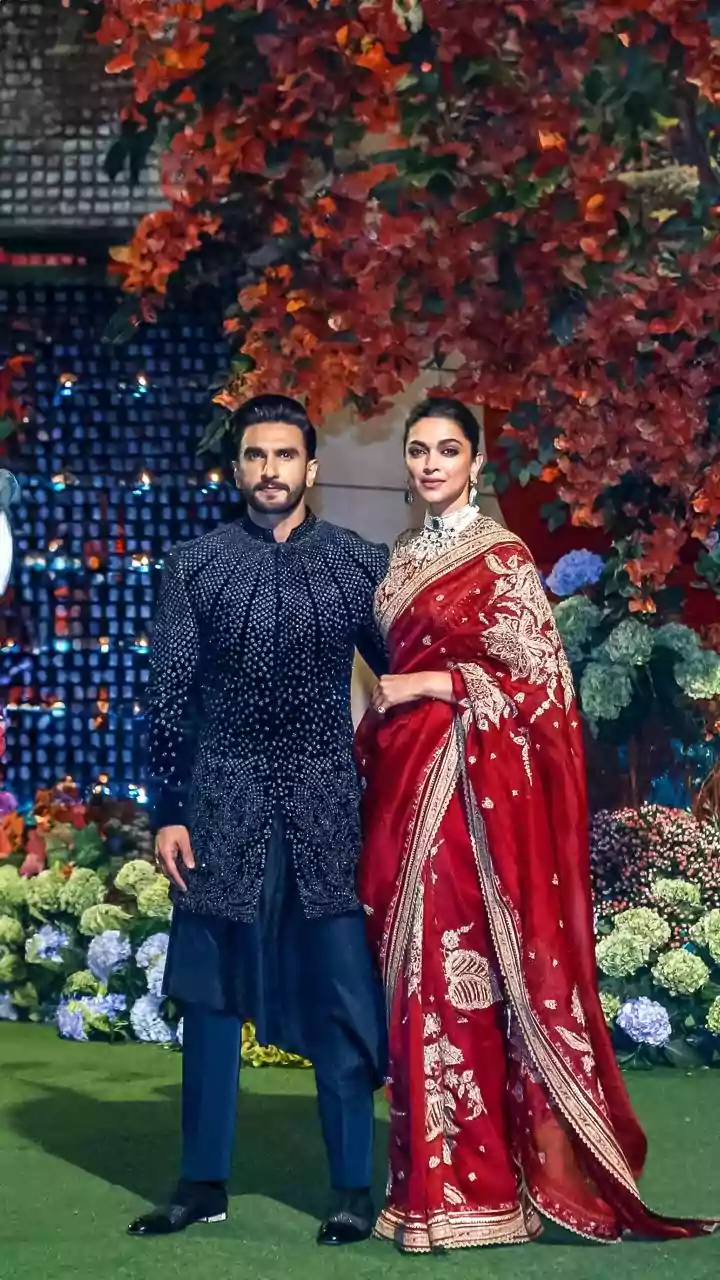
Think of traditional Indian wear, and the mind often conjures images of heavily embroidered lehengas, stiff Banarasi silk sarees, and ornate Anarkalis. These were garments of ceremony, reserved for weddings, festivals, and major family functions. They
were designed to be spectacular, not necessarily practical. The implicit rule was clear: beauty and tradition often required sacrificing a bit of comfort. This occasion-only approach meant these beautiful clothes spent most of their lives packed away, waiting for a special invitation to come out and shine. For many young people today, whose lives are a blur of college lectures, work commutes, and spontaneous social plans, this model no longer fits.
The New Non-Negotiable: Comfort First
The single biggest driver of change is a generational shift in priorities. For many young Indians, comfort is no longer a bonus; it’s the baseline. Having grown up in an era where activewear and loungewear became everyday staples, they refuse to accept that style must come at the cost of ease. This 'pajama philosophy' dictates that if you can't move, breathe, and live in an outfit, it has no place in a modern wardrobe. This desire for physical ease is tied to a broader focus on wellness and practicality. Young consumers want versatile pieces that can transition from a morning meeting to an evening out, without requiring a complete change. They are seeking value in reusability, not just in one-time grandeur.
How the Sari Got a Modern Makeover
Perhaps no garment illustrates this evolution better than the saree. Once seen as cumbersome, designers and stylists have completely reimagined it for a new generation. We now see pre-draped sarees that can be worn in minutes, saree gowns that merge the drape with the structure of a dress, and sarees made from lightweight, breathable fabrics like linen, crepe, and organza. The styling has been revolutionised too. Sarees are now commonly paired with crop tops, shirts, jackets, and even sneakers, making them feel more accessible for casual outings. Small but significant innovations, like adding pockets, have also been a game-changer, solving a practical problem that women have faced for decades.
The Rise of Fusion and Fluidity
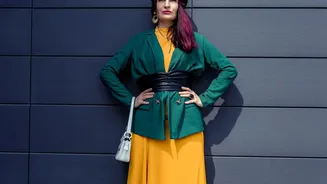
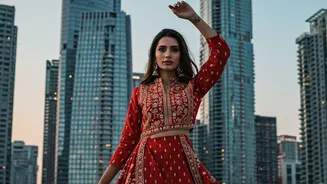
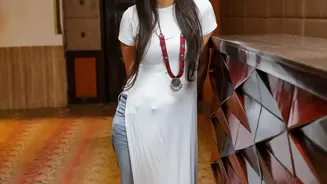
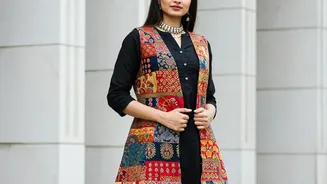
This re-imagination extends far beyond the saree. The space between strictly 'ethnic' and 'western' wear has collapsed, giving rise to a vibrant category of fusion fashion. Think of kurtas paired with jeans or tailored trousers, lehenga skirts worn with simple t-shirts or blazers, and sharara pants styled with structured crop tops. This mix-and-match approach allows for personal expression while keeping comfort front and centre. Designers are launching collections that reflect this mindset, using traditional Indian textiles and crafts on modern silhouettes like jumpsuits and co-ord sets. Labels like Pankaj & Nidhi and The Loom have built their brands on this blend of fresh, stylish, and comfortable ethnic wear.
More Than a Trend, It's an Identity
This shift is not about rejecting tradition. On the contrary, it’s about making tradition a sustainable and integral part of modern life. By adapting these garments for everyday wear, young Indians are ensuring that their cultural heritage doesn't become a costume gathering dust. They are claiming these aesthetics as their own, on their own terms. It’s a move away from prescriptive rules and towards personal style. It reflects a confidence that allows them to honour their roots while navigating a globalised, fast-paced world. This new wave of ethnic wear is a statement that cultural identity and modern comfort can, and should, coexist beautifully.