




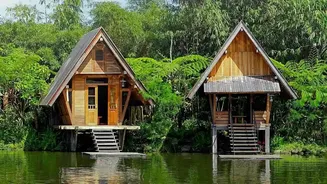
More Than Just a Buzzword
The term "eco-lodge" has been around since the 1990s, but its meaning is often misunderstood. A true eco-lodge is defined by more than just a remote location. Its core principles involve minimising environmental impact, actively contributing to conservation,
and providing tangible benefits to local communities. These are typically small-scale operations, often with fewer than 30 rooms, designed to blend in with their natural surroundings. They employ sustainable practices like using renewable energy, harvesting rainwater, sourcing local materials for construction, and reducing waste. The goal is to create a tourism model that preserves the environment for the future while offering visitors a deeper connection to the natural world.
The Rise of Green Glamour
The recent surge in luxury eco-lodges is part of a broader shift in travel preferences. Today's travellers increasingly seek unique, meaningful experiences over generic resort holidays. This has fuelled the rise of "glamping" (glamorous camping), where outdoor adventure meets creature comforts. Eco-lodges are taking this a step further, combining sustainable principles with the kind of amenities you'd expect from a boutique hotel. Think architect-designed villas with private plunge pools overlooking a national park, gourmet meals made from organic, locally-sourced produce, and expert-led nature excursions. In India, properties near wildlife sanctuaries in places like Coorg, Kabini, and various national parks exemplify this trend, offering unparalleled access to nature without sacrificing luxury.
The Benefits of Conscious Comfort
When done right, this model of tourism offers significant advantages. It provides a powerful economic incentive for conservation, demonstrating that intact ecosystems are more valuable than exploited ones. Revenue from luxury eco-lodges can directly fund wildlife protection and habitat restoration. Furthermore, these establishments create stable jobs for local communities, from guides and chefs to hospitality staff, and support local artisans and farmers by sourcing goods and services nearby. For the traveller, it offers an educational and transformative experience, fostering a greater appreciation for biodiversity and culture while providing a genuine escape from the noise of urban life.
Beware the Greenwashing Trap
However, the popularity of "eco" travel has a downside: greenwashing. This is when a business makes unsubstantiated or misleading claims about its environmental credentials to attract conscious consumers. A lodge might use rustic bamboo furniture and market itself as an "eco-retreat" while powering its air conditioners with diesel generators or failing to manage its waste properly. The term itself is unregulated, making it difficult for travellers to distinguish genuine sustainable practices from clever marketing. Some critics argue that any tourism focused on growth in sensitive areas is inherently problematic. As many as 70% of consumers are sceptical of environmental claims, and for good reason. True sustainability requires more than just asking guests to reuse their towels.