





More Than Just a Musty Smell
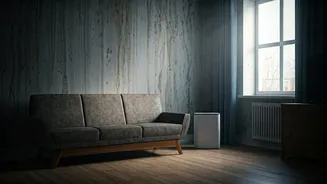
It’s easy to dismiss dampness as a minor annoyance, but its effects go far beyond a bad odour or peeling paint. Persistent moisture creates a breeding ground for mould and mildew, which can pose significant health risks. According to the World Health
Organization, exposure to damp indoor environments is linked to a range of respiratory issues, including coughing, wheezing, and the exacerbation of asthma. For people with allergies, mould spores are a major trigger for symptoms like a stuffy nose, itchy eyes, and skin rashes. Beyond health concerns, dampness can cause serious structural damage. It can weaken plaster, rot wooden furniture and frames, and even compromise the building's structural integrity over time.
Identifying the Source of the Seep
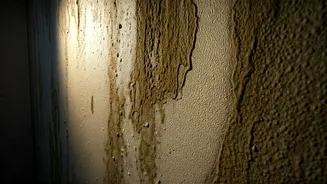
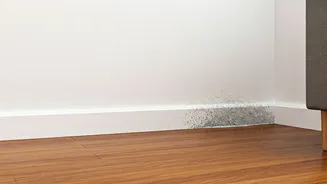
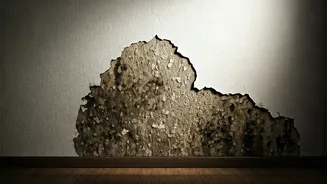
Before you can fix the problem, you need to play detective. Dampness in Indian homes usually stems from a few common culprits. Penetrating damp occurs when water from outside seeps through walls, often due to cracks in the plaster, porous bricks, or poor-quality exterior paint. This is especially common during the heavy rains of the monsoon. Rising damp happens when groundwater travels up through the foundation and into the walls, typically seen on the ground floor. Finally, there’s condensation, the moisture that builds up from everyday activities like cooking, showering, and drying clothes indoors without proper ventilation. Look for tell-tale signs: dark patches, bubbling paint, white salty deposits on walls (efflorescence), and a persistent damp smell.
Your Immediate Action Plan
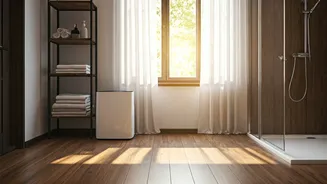
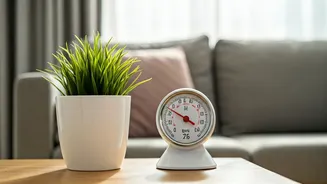
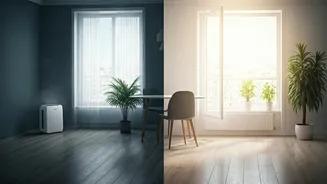
Once you’ve spotted dampness, some immediate actions can help manage the situation. First, improve ventilation. Open windows and doors whenever the weather permits to allow fresh air to circulate and moisture to escape. Use exhaust fans in kitchens and bathrooms religiously to pull humid air out. If condensation is the primary issue, simply wiping down wet surfaces like windows and walls can prevent moisture from soaking in. For more significant humidity, especially in coastal cities or during the monsoon, a dehumidifier can be a game-changer. These devices pull excess moisture from the air, making your home more comfortable and less hospitable to mould.
Long-Term Solutions for a Dry Home
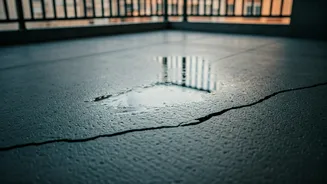
While immediate fixes are helpful, permanent solutions often require a more robust approach. For penetrating damp, the key is to stop water from getting in. This means sealing any cracks in the exterior walls with appropriate fillers and applying a good quality waterproof exterior paint. Check that your roof and balconies have proper drainage to prevent water from pooling. If you have leaking pipes, even minor ones, get them fixed immediately as they can be a hidden source of constant dampness. For older buildings susceptible to rising damp, a professional may need to install or repair the damp-proof course (DPC), which is a waterproof barrier built into the lower part of the wall.
When to Call in the Professionals
DIY methods are effective for minor issues, but some problems require an expert. If you see large patches of mould, if dampness returns quickly after cleaning, or if you suspect structural issues like rotting wood or large cracks, it’s time to call a professional. A damp specialist can accurately diagnose the root cause—be it a leak, condensation, or penetrating damp—and recommend the most effective treatment. For major issues, this might involve pressure grouting to fill deep cracks, chemical injections to create a new damp-proof course, or extensive waterproofing work. While it's an investment, getting professional help can save you from costlier repairs and health issues down the line.