

Jamun: The Monsoon Gem
Jamun, or the Indian blackberry, is a quintessential monsoon fruit cherished for its unique sweet and tart flavour. When shopping, colour is your best guide. Look for fruits that are a deep, uniform purple-black, as this indicates they are fully ripe
and sweet. Avoid any that are still reddish or light purple, as they will likely be sour. The skin should be smooth, glossy, and unbroken. Give the fruit a gentle press; a ripe jamun will be firm but yield slightly. If it's rock-hard, it’s unripe, and if it's mushy or bruised, it's past its prime. A fresh jamun will also have a mild, fruity aroma, so steer clear of any that smell fermented or sour.
Litchi: The Juicy Jewel
This sweet, floral fruit is a monsoon favourite for a reason. A perfect litchi has a vibrant, reddish-pink skin. While some browning can be a result of simple dehydration and doesn't always affect the fruit inside, you should generally avoid litchis that are mostly brown, cracked, or leaking juice. Litchis don't ripen after being picked, so what you buy is what you get. The fruit should feel firm to the touch but have a slight give. If it’s overly soft or mushy, it’s likely overripe. A delicate floral scent is also a great sign of freshness and flavour.
Peaches (Aadu): Fuzzy and Fragrant
A good peach is a sensory experience, and your nose is one of your best tools for finding one. A ripe peach should have a warm, sweet fragrance, especially near the stem. Look for a vibrant, creamy yellow or orange background colour. While some red blush is common, it’s not always a sign of ripeness; avoid any peaches with green patches, as they were picked too early. A ripe peach for immediate eating should yield to gentle pressure. It should feel heavy for its size, which indicates juiciness. Avoid fruits that are overly hard, bruised, or have any signs of wrinkling.
Plums (Aloo Bukhara): Sweet and Tart
Plums, known as Aloo Bukhara in India, come in a variety of colours from deep red to dark purple. Regardless of the hue, look for skin that is smooth and richly coloured. A ripe plum should feel heavy for its size and yield slightly to gentle pressure, similar to a peach. Avoid plums that are rock-hard, as they will be sour, or those with cracks, soft spots, or blemishes. The thin, waxy, whitish coating you might see on the skin is called a "bloom" and is a natural, positive sign of freshness, indicating the fruit hasn't been overhandled.
Cherries: A Sweet Indulgence
During the monsoon, markets are often filled with these bright red jewels. When selecting cherries, look for those that are plump, shiny, and firm. For most common sweet varieties, a darker, deep-red or even near-black colour signals a sweeter and more flavourful fruit. The stems are another excellent indicator of freshness; they should be green and flexible. If the stems are brown, dry, or missing, the cherries are likely older. Avoid any cherries that appear dull, wrinkled, or have soft, mushy spots, as they are past their prime.
Pomegranate (Anaar): Seeds of Health
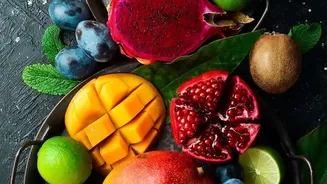
Pomegranates don't ripen after harvesting, so choosing a good one at the store is key. One of the most reliable indicators is weight; a ripe pomegranate should feel surprisingly heavy for its size, promising a juicy interior. The skin should be firm, taut, and tough, with a leather-like appearance. Don't worry about superficial scratches, but avoid any with deep bruises or soft spots. Interestingly, a perfectly round pomegranate might be underripe. Look for one that is slightly angular, with flattened sides, as this suggests the seeds inside are plump and pushing against the skin.