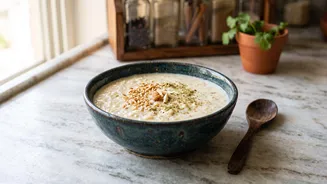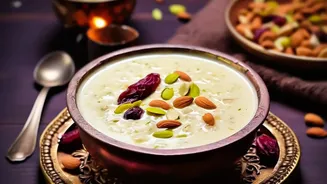

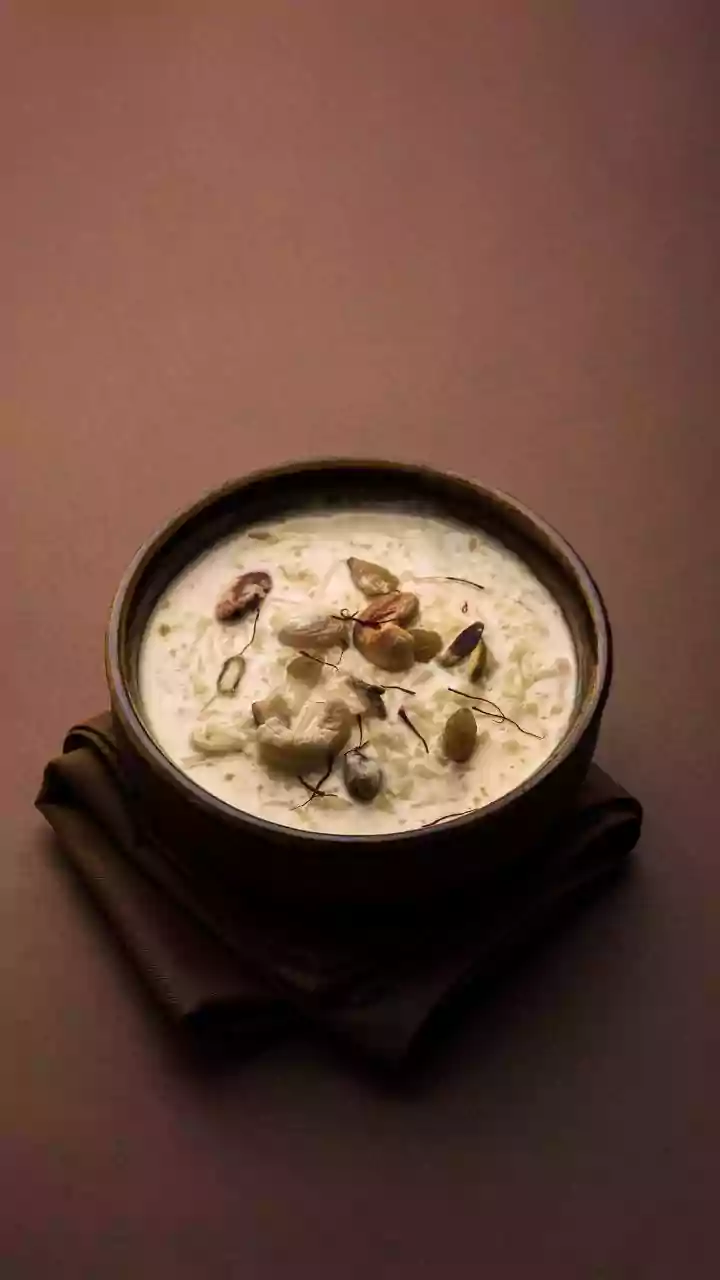


Move over, regular rice pudding. A traditional dessert from the heart of India offers a delightful twist by swapping refined sugar and milk for the natural, earthy sweetness of fresh sugarcane juice, creating a memorable dish known as Ganne ki Kheer.
A Sweet Harvest Tradition
Ganne ki Kheer, also known as Roh di Kheer or Ras ki Kheer in regions like Punjab, is a classic dessert that celebrates the sugarcane harvest. Unlike conventional kheer, which relies on milk and sugar, this rustic pudding uses fresh sugarcane juice as its base liquid and sole sweetener. The result is a creamy, comforting dish with a distinct caramel-like sweetness and an earthy aroma that sets it apart. This dessert is particularly popular in North Indian households during the winter months and for festivals like Lohri and Makar Sankranti, connecting the culinary celebration directly to the agricultural bounty of the season. While some variations exist across different regions, the core concept remains the same: slow-cooking rice in sugarcane juice until it softens and the liquid thickens into a luscious pudding.
The Star Ingredient: Sugarcane Juice
The magic of this kheer lies entirely in its primary ingredient. Using fresh sugarcane juice, or 'ganne ka ras', provides a complex sweetness that refined sugar cannot replicate. As the juice simmers and reduces, its flavours concentrate, infusing the rice with a rich, mellow taste. It’s essential to use pure, fresh juice without any additives like lime, ginger, or salt, which are often added to the beverage when sold for drinking. One of the crucial initial steps in making this kheer is to gently boil the juice and skim off any impurities or scum that rises to the surface. This ensures the final dish has a clean taste and a beautiful, translucent golden-brown colour. Some traditional methods even involve adding a splash of milk to the boiling juice to help coagulate and remove these impurities more effectively.
Gathering Your Ingredients
The beauty of Ganne ki Kheer is its simplicity, often requiring just two main ingredients: sugarcane juice and rice. For the best results, use a short-grain, aromatic rice variety like Gobindobhog or a standard basmati rice. Soaking the rice for at least 30 minutes before cooking helps it soften faster and absorb the sugarcane juice more evenly. While optional, a few crushed green cardamom pods can be added to the simmering juice to impart a subtle fragrance that complements the sugarcane's sweetness. For added richness, many recipes suggest incorporating chopped nuts like almonds, cashews, and pistachios, which can be lightly roasted in ghee before being stirred into the kheer or used as a garnish. Some variations also include dried coconut slices or raisins.
The Art of Slow Cooking
Patience is key to perfecting Ganne ki Kheer. The process begins with heating the strained sugarcane juice in a heavy-bottomed pan. Once it comes to a boil and has been skimmed, the soaked and drained rice is added. The heat is then lowered, and the mixture is left to simmer gently. Constant stirring is important, especially as the rice cooks and the kheer begins to thicken, to prevent it from sticking to the bottom of the pan. This slow-cooking process can take anywhere from 25 to 40 minutes, depending on the type of rice and the desired consistency. The rice grains should be completely soft and broken down, and the sugarcane juice should have reduced to a thick, syrupy consistency. Some recipes suggest lightly mashing the rice with the back of a ladle towards the end of the cooking process to enhance its creamy texture.
Finishing Touches and Serving
Once the kheer has reached your preferred thickness, it's time for the final touches. This is when you would stir in any roasted nuts and flavourings like cardamom powder. Some regional variations introduce a splash of milk or cream at the end to balance the intense sweetness and add extra creaminess. It is important to remember that the kheer will continue to thicken as it cools. Ganne ki Kheer can be served warm, making it a perfect comforting dessert for a cool evening, or chilled, which makes it a refreshing treat. Traditionally, it was cooled in earthenware pots. Garnish with a final sprinkle of slivered nuts before serving to add a delightful crunch. Because of its natural richness, a small serving often goes a long way.