


Starting your day with a protein-packed breakfast is key for energy and fullness, but it can feel tricky without eggs. The secret isn't just what you eat, but how much. Understanding portions is the key to unlocking a truly high-protein meal.
The Greek Yogurt Advantage
Greek yogurt,
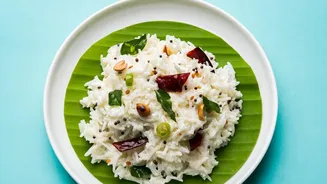
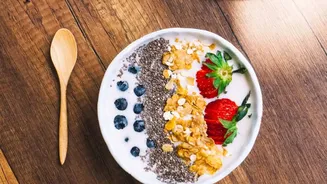
or hung curd, is a protein powerhouse perfect for a quick breakfast. But the amount you eat directly impacts your protein intake. A small 100-gram serving offers a respectable 10 grams of protein, but doubling that to a more substantial 200-gram bowl gets you a significant 20 grams. This simple change can be the difference between a light snack and a muscle-supporting meal. Toppings matter, too. A sprinkle of seeds adds minimal protein, but a full two tablespoons of chia seeds can add another 4-5 grams. Combine a large bowl of Greek yogurt with a generous handful of nuts and seeds to easily push your breakfast protein count towards 25 grams.
Tofu Scramble: A Plant-Based Classic
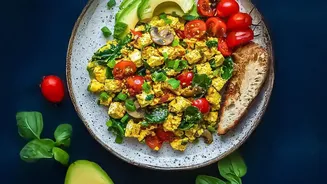
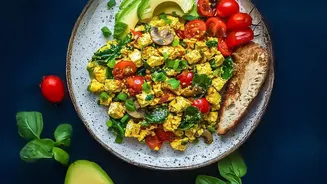
Tofu scramble is a fantastic vegan alternative to scrambled eggs, providing a complete protein to start your day. However, the portion makes all the difference. A small scramble using just 50-70 grams of tofu might only provide 6-8 grams of protein. To make it a truly high-protein meal, you need to be more generous. Using a 150-gram or even 200-gram block of firm tofu can boost the protein content to between 18 and 24 grams. Crumble it and cook with onions, turmeric for colour, and a pinch of black salt (kala namak) for that savoury, egg-like flavour. This larger portion transforms the dish from a side to a satisfying main event.
The Humble Power of Lentils
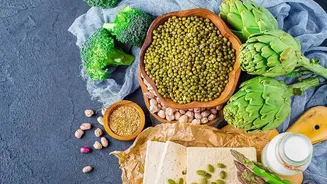
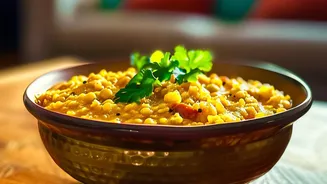
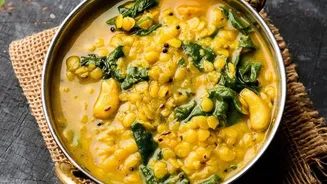
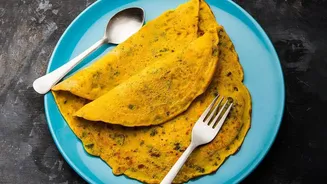
Lentils are a staple in Indian kitchens and an excellent source of plant-based protein, ideal for savoury breakfasts. Think of moong dal chilla or pesarattu (green moong dal dosa). One or two thin chillas might only contain about 6-12 grams of protein. To make it a higher-protein affair, aim to eat two or three thicker chillas, which can bring the total up to 18-27 grams of protein. The protein content is directly related to how much dal is in the batter and the final size of the serving. For an extra boost, consider a stuffing of grated paneer, which can add another 6-9 grams of protein per chilla.
Chickpeas for Breakfast, Absolutely
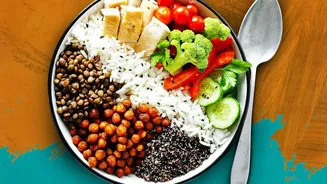
Chickpeas, or chana, are not just for lunch and dinner. They are incredibly versatile for a filling morning meal. You can make a besan chilla (chickpea flour pancake) or a savoury chickpea sauté. A full cup of cooked chickpeas contains around 15 grams of protein. Using this as a base for a breakfast scramble, perhaps with sautéed vegetables, creates a substantial meal. Just sprinkling a few chickpeas on another dish won't significantly increase your protein. The key is making chickpeas the star of the dish. Two besan chillas can provide 10-12 grams of protein, which pairs wonderfully with a bowl of curd to round out the meal.
Smoothies and Shakes Done Right
A breakfast smoothie can be a stealthy source of protein or a sugary, low-protein trap. A smoothie made with just fruit and a splash of regular milk will be low in protein. The power is in the portions of your protein-rich additions. To ensure a high-protein start, add a full scoop of plant-based or whey protein powder, which typically provides 20-25 grams of protein. Blending this with a base of Greek yogurt or silken tofu instead of just water or juice adds even more. Two tablespoons of peanut butter can contribute another 7-8 grams, making it easy to build a smoothie with over 30 grams of protein to keep you full for hours.