

A Revolution in Flavour and Aroma
The most compelling reason to grow your own herbs is the incredible difference in taste. Fresh herbs possess volatile oils that begin to degrade the moment they are picked. That bunch of dhania from the market has already lost some of its punch by the time
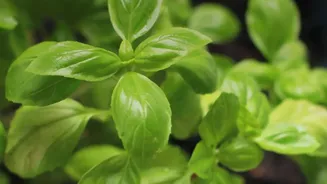
it reaches your kitchen. When you snip leaves from your own plant, you capture these oils at their peak. The flavour is brighter, more complex, and far more potent than dried alternatives, which can taste dusty and muted in comparison. Fresh mint is cool and sharp, while fresh coriander offers a zesty, citrusy note that elevates everything from dals to chutneys.
The Ultimate Kitchen Convenience
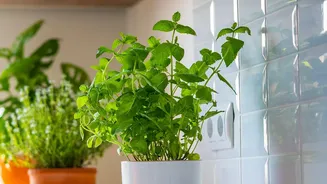
Beyond flavour, the convenience is undeniable. How many times has a recipe called for a handful of fresh pudina, only for you to find you have none? A windowsill garden eliminates this problem. It puts a constant supply of fresh ingredients within arm's reach, ready for a quick garnish, a flavourful paste, or a refreshing drink. This accessibility encourages culinary creativity, making it easier to experiment with new recipes. It also reduces food waste, as you can snip the exact amount you need, rather than buying a whole bunch that might wilt in the fridge before you can use it all.
Getting Started: Your Pudina Plant
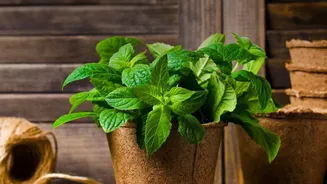
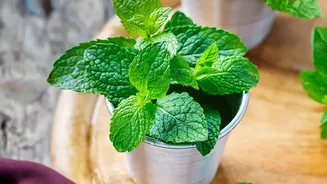
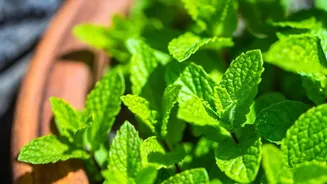
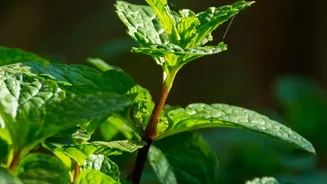
Mint is one of the most forgiving herbs for a beginner. It is famously resilient and eager to grow. The easiest way to start is by propagating a cutting from an existing plant. Simply take a cutting about 5-6 inches long, remove the lower leaves, and place it in a glass of water on a sunny sill. In a week or two, you will see roots begin to form. Once the roots are a few inches long, you can plant it in a pot with well-draining soil. Mint thrives with plenty of indirect light, so an east-facing window is ideal. Keep the soil moist but not waterlogged, and be sure to give it its own pot, as its roots spread aggressively.
Mastering Coriander (Dhania)
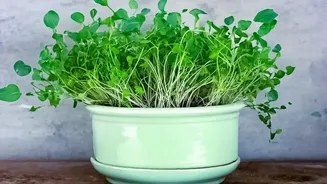
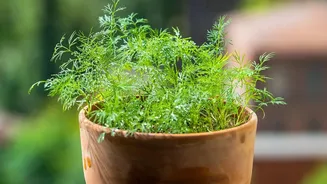
Coriander can be slightly more sensitive than mint but is still very achievable indoors. It's best grown from seed, using whole coriander seeds from your spice rack. Plant the seeds about half a centimetre deep in a pot with good drainage. Unlike mint, coriander enjoys more direct sunlight, so a south or west-facing window is a good choice. The key is to not overwater; allow the top inch of soil to dry out between waterings. Coriander grows quickly, so for a continuous supply, it is a good idea to sow a new batch of seeds every few weeks. This ensures you always have a fresh plant ready for harvesting.
Common Mistakes to Avoid
The two biggest mistakes beginners make with indoor herbs are related to light and water. Most herbs need at least six hours of light per day to thrive; without it, they can become 'leggy' and weak. Overwatering is another common issue that can lead to root rot. Always use a pot with drainage holes and check that the soil is not already damp before adding more water. Finally, don't be afraid to harvest. Regularly trimming your herbs actually encourages fuller, bushier growth. Just be sure to never remove more than one-third of the plant at a time.
A Pinch of Wellness
Beyond their culinary uses, fresh herbs offer a surprising array of health benefits. They are packed with vitamins, minerals, and antioxidants. Mint, for example, is rich in Vitamin A, iron, and manganese and is known to aid digestion. Coriander is an excellent source of Vitamin K and contains antioxidants that can help boost your immune system. Using fresh herbs can also help you reduce your sodium intake by providing a burst of flavour without needing extra salt. The simple act of tending to your plants can also be a rewarding and calming hobby.