


Forget the 'Cleanse', Aim for a 'Reset'
The term 'gut cleanse' often brings to mind extreme detoxes or colonic procedures that promise to flush out toxins. However, there's little scientific evidence to support the health benefits of such practices. In fact, your body has a highly efficient,
built-in detoxification system: your liver and kidneys. Drastic cleanses can be harmful, stripping your gut of good bacteria and causing side effects like dehydration and cramping. Instead of a forceful cleanse, think of this as a 'reset'—a short-term plan focused on nourishing your body with whole foods to reduce inflammation, improve digestion, and naturally boost your energy levels. This approach is about supporting your body's natural processes, not working against them.
Hydration is Your Top Priority
One of the simplest and most effective ways to support your digestive system is to stay well-hydrated. Water helps soften stool, which prevents constipation and reduces feelings of sluggishness and bloating. It also aids in nutrient absorption and keeps your entire system running smoothly. Aim to drink at least 8-10 glasses of water throughout the day. If plain water feels boring, infuse it with lemon, cucumber, or mint for a refreshing twist. Herbal teas like peppermint or ginger are also excellent choices, as they can help soothe an upset stomach and alleviate bloating. Limiting dehydrating drinks like alcohol and excessive caffeine in the days leading up to the festival can also make a significant difference.
Load Up on Fibre and Whole Foods
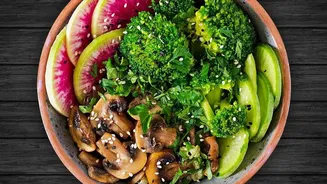
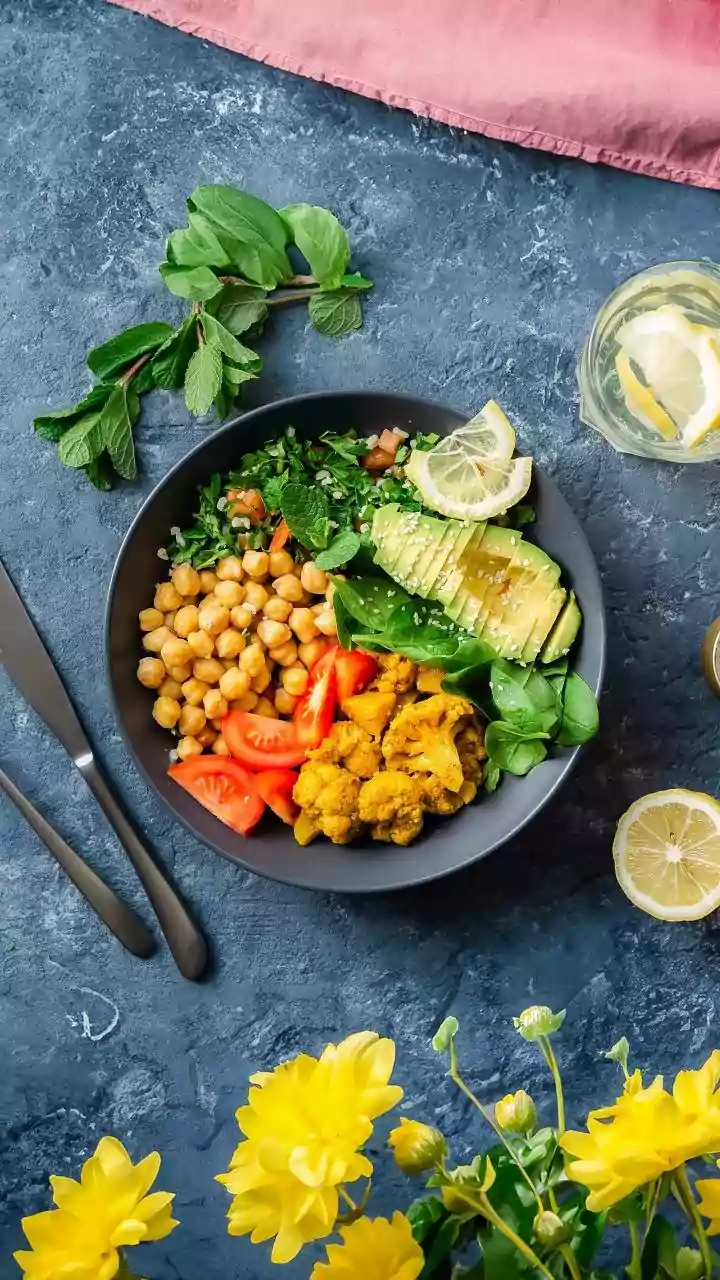
Fibre is crucial for a happy gut. It promotes regular bowel movements and feeds the beneficial bacteria in your digestive tract. Focus on incorporating fibre-rich foods into every meal. Good sources include whole grains like oats and brown rice, legumes like lentils and beans, and a wide variety of fruits and vegetables. Berries, apples, leafy greens like spinach, and cruciferous vegetables like broccoli are all fantastic choices. However, if you're not used to a high-fibre diet, increase your intake gradually to avoid temporary gas and bloating. Swapping processed snacks for whole foods will provide sustained energy and help you feel lighter.
Bring in Probiotic and Prebiotic Allies
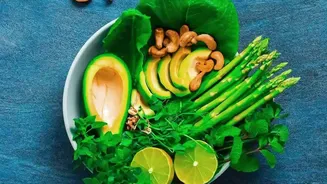
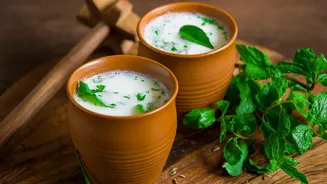
Your gut is home to trillions of microorganisms, and keeping them in balance is key to good health. Probiotics are beneficial live bacteria found in fermented foods. Including sources like yogurt (dahi), kefir, kimchi, and kombucha can help support a healthy gut environment. Prebiotics are types of fibre that feed these good bacteria. Foods rich in prebiotics include garlic, onions, bananas, and asparagus. By consuming both, you're not only adding good bacteria but also providing the fuel they need to thrive, which can improve digestion and reduce inflammation.
Cut Back on Bloat-Inducing Foods
To feel your best quickly, it helps to temporarily limit foods known to cause bloating and digestive discomfort. These often include ultra-processed foods high in sugar, salt, and unhealthy fats, which can disrupt your gut microbiome. For some people, large amounts of dairy, certain artificial sweeteners, and even some complex-fibre vegetables like cabbage or brussels sprouts can be challenging to digest, leading to gas. Pay attention to how your body feels after eating certain foods. A short-term reduction in these items can give your digestive system a much-needed break and help flatten your tummy before the festivities begin.
Prioritise Sleep and Mindful Movement
Wellness isn't just about diet. Lack of sleep can negatively impact your gut health and increase stress hormones, leading to poor digestion and fatigue. In the week before the festival, aim for 7-8 hours of quality sleep per night. This allows your body, including your gut, time to rest and repair. Gentle movement also plays a vital role. Activities like walking, especially after meals, or light yoga can stimulate digestion and help reduce bloating and discomfort. You don't need intense workouts; the goal is to get your body moving to support regularity and overall well-being.