




The Key Change: Airport Transit Visas Scrapped
In a major move celebrated by frequent flyers, Germany has officially removed the requirement for Indian nationals to hold an Airport Transit Visa (ATV), also known as a Type A visa. This change, which took effect on June 3, 2026, means Indian passport
holders no longer need to go through a separate visa application process simply to catch a connecting flight at a German airport. Previously, transiting through hubs like Frankfurt, Munich, or Berlin en route to a non-Schengen country required this special visa, adding paperwork, cost, and stress to travel planning. The decision stems from a commitment made during German Chancellor Friedrich Merz's visit to India in January 2026, aimed at strengthening ties and facilitating travel between the two nations.
Understanding the 'Before and After'
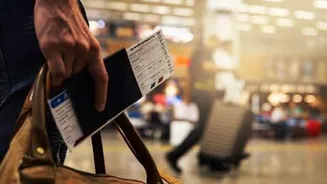
Before this new rule, the process was more complicated. An Indian traveller booking a flight to the United States via Frankfurt, for example, would have needed to apply for an ATV in advance, unless they already held certain other valid visas (like one for the US or Canada). This involved submitting an application, paying fees that could amount to thousands of rupees, and waiting for processing, even if the layover was just a few hours within the airport's international zone. The old system often restricted flight choices, forcing travellers to avoid German transit routes to bypass the visa hassle. Now, the process is streamlined. Indian citizens can book connecting flights through Germany to destinations outside the Schengen Area without worrying about securing an additional transit visa, putting German airports on par with other visa-friendly transit hubs.
The Crucial Rule: Stay in the Transit Zone
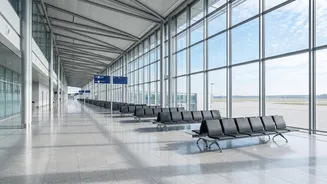
This newfound freedom comes with one very important condition: it applies only to ‘airside’ transit. This means travellers must remain within the international transit area of the airport. You cannot pass through passport control, enter Germany, or leave the airport for any reason. This rule has practical implications for your booking. You should ensure your connecting flights are on a single ticket, which means your luggage will be automatically transferred to your final destination. If you have booked separate tickets and need to collect your baggage and check in again, you would have to exit the transit zone and would therefore require a proper Schengen visa. Similarly, layovers that involve changing terminals might require passing through immigration, which is not permitted under this visa exemption.
Major Benefits for Indian Travellers
The removal of the ATV requirement unlocks significant advantages. Firstly, it provides access to a wider array of flight options. Airlines like Lufthansa, a major carrier operating between India and the world, can now offer more competitive and convenient itineraries through their German hubs. This increased competition could lead to more affordable ticket prices for popular destinations in North America, the UK, and beyond. Secondly, it reduces the administrative burden and costs associated with international travel. Students, professionals, and families can save time and money previously spent on visa applications. This change makes Germany a much more attractive and seamless transit point, simplifying travel planning for millions of Indians.
What You Still Need to Know
While this is excellent news for transit passengers, it is essential to remember what hasn't changed. This policy does not grant entry into Germany or any other country in the Schengen Area. To visit Germany for tourism, business, or any other purpose, Indian citizens must still apply for the appropriate Schengen visa. The transit exemption is strictly for layovers en route to a final destination outside the Schengen zone. Always confirm the visa requirements for your final destination and double-check your flight itinerary to ensure it allows for a seamless airside transfer. Airlines remain the best source of information for specific transit rules related to your booking.