



The Moon’s Two Faces
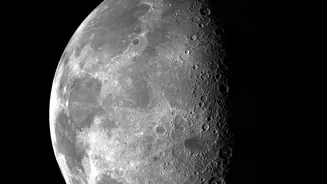
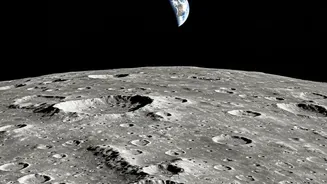
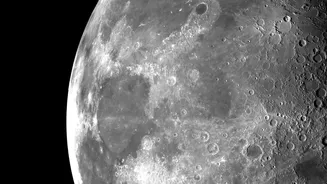
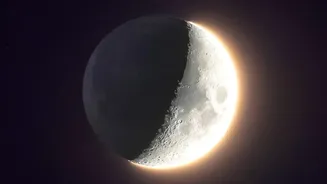
To understand the excitement, you first have to know that the moon has two dramatically different sides. The near side, the face we always see, is covered in vast, dark plains called 'maria'. These are ancient lava flows. The far side, hidden from Earth
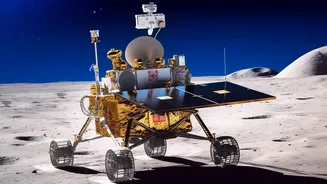
for all of human history until the space age, is almost completely different. It's rugged, pale, and crowded with craters, with a crust that is significantly thicker and chemically distinct. This stark difference, known as the lunar dichotomy, is one of the biggest mysteries in planetary science. Why are the two sides so unalike? Solving this puzzle is key to understanding how the moon formed and evolved. Until recently, all physical samples from the moon—collected by the Apollo and previous robotic missions—came only from the near side. This gave scientists a biased view, like trying to understand all of Earth by only studying one continent.
A Crater of Cosmic Importance
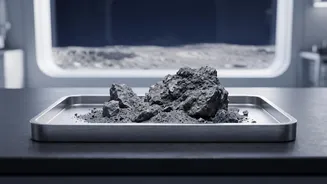
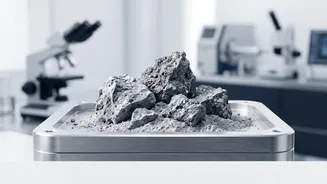
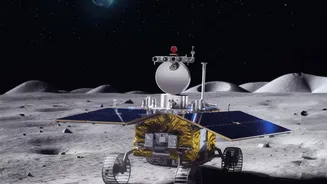
The new samples, brought to Earth by China's Chang'e-6 mission, weren't just scooped from a random spot. They were collected from the South Pole-Aitken (SPA) basin, the single largest and oldest impact crater known in our entire solar system. Stretching over 2,500 kilometres in diameter, this colossal basin was formed by a cataclysmic impact about 4.25 billion years ago. This event was so violent it may have fundamentally reshaped the moon. Because it's so ancient, the SPA basin is a time capsule, holding clues about the chaotic early days of the solar system when planets were still forming and giant impacts were common. The samples from this specific location give scientists their first direct look at the geology of this critical region, providing an anchor point to date other surfaces on the moon and even other planets.
Searching for the Moon’s Mantle
One of the most thrilling possibilities is that the SPA basin impact was so powerful it punched through the moon's crust, splattering material from the deep lunar mantle across the surface. For planetary scientists, getting a piece of the mantle is a holy grail. The mantle holds the original chemical blueprint of a celestial body, revealing what it was made of before its surface was altered by billions of years of volcanism and impacts. Since the landing site is in an area with one of the thinnest crusts on the moon, the probability of finding this deep material is high. Analysing these fragments would offer an unprecedented glimpse into the moon's interior, helping scientists test theories about how the moon originally formed from a magma ocean and why the far side's crust ended up so much thicker.
Rewriting the Solar System’s History
The moon acts as a pristine witness to the history of the solar system. Unlike Earth, where geological processes like erosion and plate tectonics have erased ancient craters, the moon's surface preserves a near-perfect record of impacts stretching back billions of years. By studying the age and composition of far-side rocks, scientists can refine the timeline of when asteroids and comets were bombarding the inner solar system. Early analysis of far-side samples is already challenging long-held theories, suggesting the so-called 'Late Heavy Bombardment' may not have been a sudden spike of impacts but rather a long, slow decline. This doesn't just change lunar history; it changes our understanding of the conditions on early Earth when life was first emerging.
Clues to Earth's Water and More
Beyond the grand story of planetary formation, these rocks hold other surprising secrets. Initial studies have found fragments of carbon-rich meteorites within the samples. These types of meteorites are known to carry water and other volatile compounds, and their presence on the far side suggests they may have been a key source of water for the early Earth-moon system. Furthermore, the composition of the volcanic rocks found at the site is different from those on the near side, with lower levels of heat-producing elements. This deepens the mystery of how the far side powered its volcanic activity and why it ceased so much earlier than the near side. Each new finding allows for a direct comparison between the two hemispheres for the first time, turning abstract theories into testable science.