




Master Your Brakes
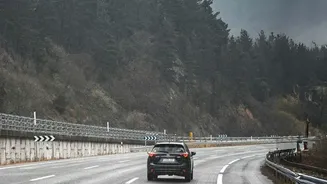
Your braking system is the single most critical safety feature when navigating hilly terrain. Continuous braking on long downhill slopes can cause brake fluid to heat up, potentially leading to a spongy pedal or, in worst-case scenarios, brake failure.
Before your trip, have a mechanic inspect your brake pads for wear; they should have a thickness of at least 3mm. Also, check the brake fluid level and condition. The fluid should be clear, not dark or murky. If you hear any squealing or grinding sounds, or if the steering wheel shudders when you brake, get your system serviced immediately. On the road, avoid riding your brakes on descents. Instead, shift to a lower gear and let the engine braking assist in controlling your speed.
Trust Your Tyres
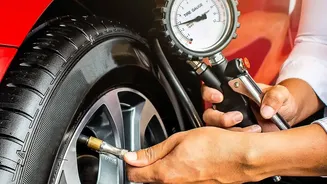
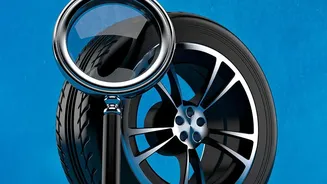
Tyres are your car's only connection to the road, and their importance is magnified on winding ghat roads that can be unpredictable, wet, or covered in loose gravel. Proper tyre pressure is crucial for optimal grip, handling, and braking. Underinflated tyres can overheat and affect control, while overinflated ones reduce the contact patch with the road, decreasing traction. Check the pressure on all four tyres—and the spare—when they are cold, and inflate them to the manufacturer's recommended PSI, usually found on a sticker inside the driver's door jamb. Additionally, inspect the tread depth. A minimum depth of 2-3 mm is necessary to provide adequate grip, especially in wet conditions. Uneven wear might indicate a need for wheel alignment, which is vital for stable handling on sharp curves.
Keep The Engine Cool
Climbing steep inclines for extended periods puts immense strain on your engine, making it susceptible to overheating. Your car's cooling system must be in top condition to handle this stress. Before you leave, check the coolant level in the reservoir and ensure it's between the 'MIN' and 'MAX' marks. It's also wise to inspect the radiator and hoses for any visible cracks or leaks. While driving uphill, keep an eye on the temperature gauge. If you notice it creeping into the red zone, turn off the air conditioning to reduce the load on the engine and, if necessary, pull over to a safe spot to let the engine cool down.
Check All Fluids and Filters
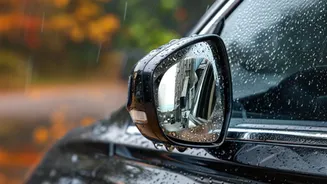
Beyond brake fluid and coolant, other fluids are vital for a long journey. Check your engine oil level using the dipstick; if it's low or looks particularly black and gritty, it might be time for an oil change. Clean oil is essential for lubricating the engine under the heavy load of mountain driving. Also, top up your windshield washer fluid. Mountain weather can change rapidly, and clear visibility through sudden rain or dust is a must. Don't forget to check the air filter, as a clogged one can hamper fuel efficiency and performance.
Test Lights and Electrics
Fog, heavy rain, and early sunsets are common in hilly regions, making functional lights essential for your safety and the safety of others. Before you depart, do a quick walk-around of your vehicle. Check that your headlights (both low and high beams), tail lights, brake lights, and indicators are all working perfectly. Test your horn as well, as it's often necessary to signal your presence around blind corners on narrow mountain roads. Ensure your battery terminals are clean and free of corrosion, as a healthy battery is needed to power all these components reliably.
Pack a Smart Emergency Kit
While not a vehicle check, this is a crucial preparation step. Mobile networks can be patchy and help can be far away in the mountains. Your emergency kit should be tailored for a hill journey. Include a well-maintained spare tyre, a jack, and a wheel spanner. A basic toolkit, jumper cables, and a tow rope are also highly recommended. A portable tyre inflator can be a trip-saver for slow leaks. Also, pack a first-aid kit with essentials like bandages, antiseptic, pain relievers, and medication for motion sickness. Reflective warning triangles are critical for alerting other drivers if you need to stop on a narrow road.