





The Essential Ingredients and Tools
You don't need a counter full of fancy gadgets to make exceptional cold brew. In fact, the beauty of this method is its simplicity. All you really need is a large glass jar with a tight-fitting lid, like a standard Mason jar. You’ll also need whole coffee
beans, filtered water, and something to strain the grounds, such as a fine-mesh sieve, a normal coffee filter, or a piece of cheesecloth. While there are special stainless steel filters designed to fit inside Mason jars, they aren't a necessity to get started. The process relies on time, not technology, to work its magic.
Choosing the Right Coffee Beans
While you can technically use any coffee, medium to dark roasts are generally preferred for cold brew. The cold-water extraction process naturally mutes some of the acidity found in coffee, bringing forward the deep, chocolatey, and nutty flavours that are characteristic of these roasts. Lighter roasts can also be used, but they may produce a flavour profile that is less rich. Look for beans from regions like Colombia, Brazil, or Sumatra for classic, full-bodied results. More important than the origin, however, is the freshness of the beans and the coarseness of the grind.
Why a Coarse Grind Is Crucial
The single most important step in preparing your coffee is the grind. For cold brew, you must use a coarse grind, similar in texture to raw sugar or French press grounds. Using a fine or medium grind, like you would for a drip coffee machine, will result in a brew that is cloudy, silty, and potentially bitter. A coarse grind allows the water to gently extract flavour over a long period without pulling out the unwanted bitter compounds. It also makes the filtering process significantly cleaner and easier, preventing tiny coffee particles from ending up in your final product.
The Ideal Coffee-to-Water Ratio
The secret to a potent yet smooth concentrate lies in the ratio of coffee to water. A great starting point is a 1:4 ratio by volume—that means one cup of coarsely ground coffee for every four cups of cold, filtered water. Some recipes go as high as 1:8 for a more ready-to-drink version, but starting with a stronger concentrate gives you more control over the final strength of your drink. Simply add your grounds to the bottom of the jar, pour the cold water over them, and stir gently to ensure all the grounds are fully saturated.
The Overnight Steep for Smoothness
Once your coffee and water are combined, seal the jar and the waiting game begins. You can let the jar sit at room temperature or in the refrigerator for 12 to 24 hours. Steeping for less than 12 hours may result in a weak, watery brew. A longer steep time, closer to 18 or 24 hours, will produce a stronger and more robust flavour. There's no need to shake or stir the jar again during this time; just let it sit undisturbed and allow the slow extraction process to create that signature cold brew smoothness.
Filtering for a Clean Finish
After steeping, it’s time to separate the coffee grounds from the liquid. The key to a clean, grit-free concentrate is to strain it slowly and patiently. You can place a standard paper coffee filter or a few layers of cheesecloth inside a fine-mesh sieve set over another clean jar or bowl. Carefully pour the coffee mixture through the filter. Avoid the temptation to press or squeeze the grounds, as this can push bitter oils and fine sediment into your concentrate. Just let gravity do the work. This double-filtration method ensures a professional-quality, silky-smooth finish.
Storing and Serving Your Concentrate
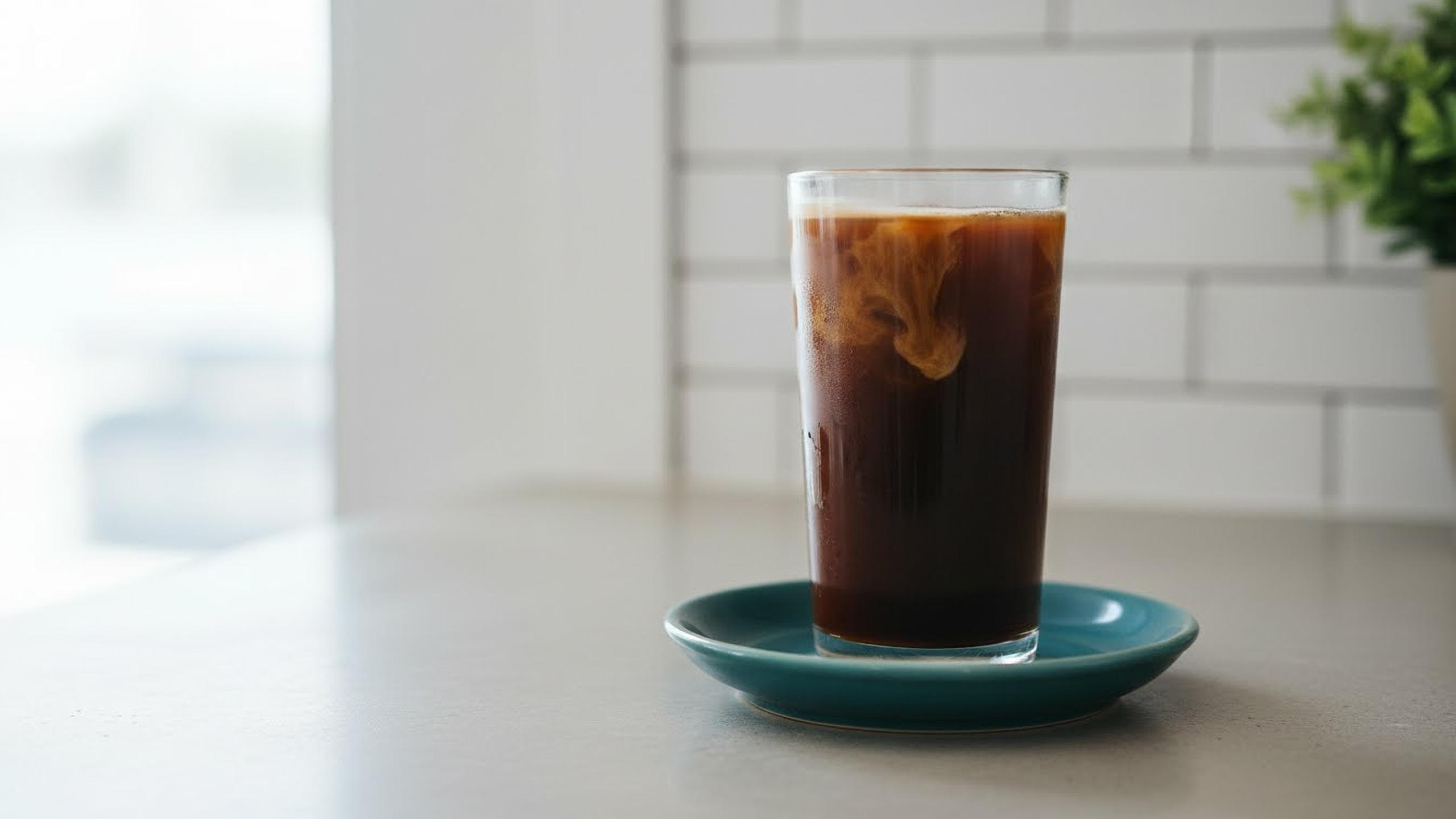
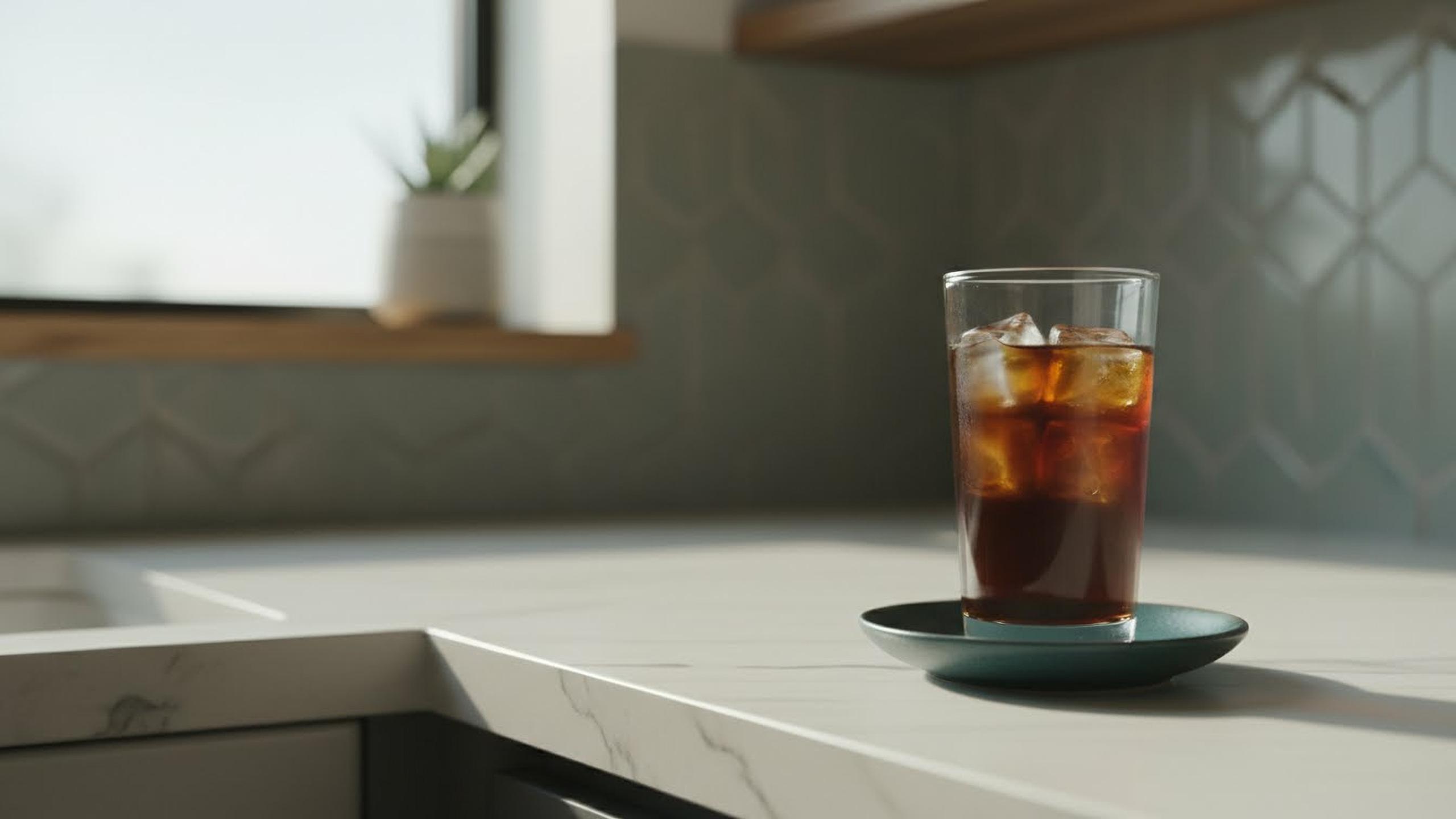
You now have a batch of cold brew concentrate. Store it in a sealed glass container in the refrigerator. Properly stored, it will stay fresh and flavourful for up to two weeks, though its peak taste is within the first 10 days. Because it is a concentrate, you'll want to dilute it before drinking. A common starting point is a 1:1 ratio, mixing equal parts cold brew concentrate with cold water or milk. Pour it over ice and adjust the ratio until you find the perfect strength for your palate. You can also use it to make iced lattes or even freeze it into coffee ice cubes.