








The Unseen Danger: Rough Seas and Rip Currents
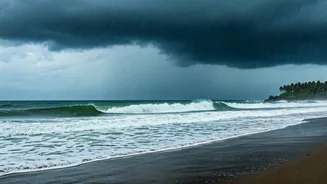
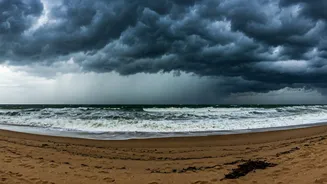
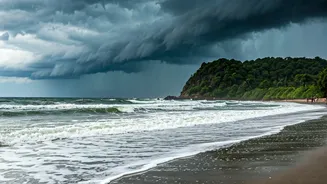
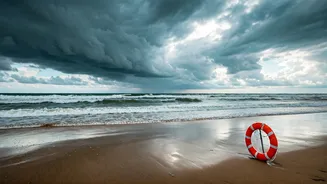
During the monsoon, the Arabian Sea is notoriously turbulent. While the powerful waves are a sight to behold, they hide strong, unpredictable rip currents. These are fast-moving channels of water that can pull even the strongest swimmers out to sea. Authorities
consistently warn that swimming and even wading into the water are extremely dangerous activities from June to September. The India Meteorological Department (IMD) has issued numerous alerts this season, advising fishermen and tourists alike to stay away from the sea due to squally weather and high winds. Tragically, drowning incidents involving tourists unfamiliar with these treacherous conditions are reported every year, highlighting the need to admire the sea only from a safe distance.
Heed Official Warnings and Red Flags
Before you even step onto the sand, your first priority should be to check for official advisories. The Kerala State Disaster Management Authority (KSDMA) and local tourism bodies frequently issue warnings based on weather forecasts. Pay close attention to red flags posted on beaches. These are not mere suggestions; they are explicit warnings that conditions are unsafe for entering the water. In early June 2026, red alerts were issued for several coastal districts due to extremely heavy rainfall, prompting authorities to prohibit entry to many tourist spots, including beaches and waterfalls. Always trust these official directives over your own judgment of the water's appearance.
Listen to the Lifeguards and Locals
If a beach is open and staffed, lifeguards are your most valuable resource. They have intimate knowledge of the local sea conditions, which can change rapidly. Always follow their instructions without question. If they tell you to stay out of the water, it is for your own safety. Local residents, such as shopkeepers and fishermen, also have a lifetime of experience with the monsoon sea. Their anecdotal advice can be life-saving. Many popular beaches like Varkala and Kovalam have seen a reduction in lifeguard staff over the years, leaving large stretches unmonitored. Venturing onto unmanned beaches, especially during the rains, is a risk you should not take.
Beware of Slippery Surfaces
The danger isn't just confined to the water. The constant rain makes everything slippery, from the rocks bordering the beach to the paved promenades and footpaths. A simple slip can lead to serious injuries. Be especially cautious when exploring rocky outcrops to get a better view of the waves, as a sudden surge of water can easily knock you off your feet. Wear appropriate footwear with a good grip, and avoid running or walking carelessly along the shoreline. Many recent accidents in high-risk monsoon destinations, like waterfalls, have occurred due to slippery terrain combined with flash floods.
Know What to Do in an Emergency
Even with all precautions, emergencies can happen. Before you travel, save local emergency numbers on your phone. The general emergency number is 112, and the district tourism promotion council (DTPC) can also be a source of help. If you see someone in trouble in the water, do not attempt a rescue yourself unless you are trained. Instead, immediately alert a lifeguard or call for emergency services. Throwing a floating object to the person in distress is a safer alternative. Keeping a fully charged phone and a list of emergency contacts, including your hotel, is a simple but critical part of your safety plan.