







More Than Just a Menu
Not long ago, ordering food online was a straightforward transaction: you picked a restaurant, chose your items, and paid. The magic was in the delivery. Today, the real engine of the industry is data. Welcome to the behaviour-data era, where platforms
like Zomato and Swiggy have transformed into technology companies that don't just deliver food but analyze and predict your every culinary desire. This shift is powered by artificial intelligence and machine learning, which turn your clicks and orders into powerful business insights. The goal is no longer just to bring food to your door but to create a deeply personalised and efficient experience that keeps you coming back.
The Digital Breadcrumbs You Leave
Every interaction you have with a food delivery app creates a trail of digital breadcrumbs. These platforms collect a staggering amount of information, with some generating terabytes of data every week. The data points go far beyond your order history. They include the cuisines you search for, the restaurants you browse but don't order from, the time of day you typically feel hungry, and your location. Algorithms analyze your dietary patterns, identifying whether you prefer vegetarian, vegan, or gluten-free options. Even your price sensitivity is tracked, noting whether you respond to discounts or favour budget-friendly meals. By piecing together these fragments, platforms build a detailed profile of your habits and preferences.
A Hyper-Personalised Experience
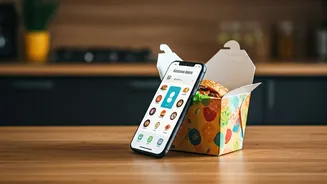
For the consumer, the most visible outcome of this data collection is hyper-personalisation. The app's homepage is no longer a generic list of nearby eateries; it's a curated feed tailored just for you. AI-powered recommendation engines suggest restaurants you might like based on your past choices or highlight specific dishes that match your taste profile. This data-driven approach is highly effective; research indicates that apps using such recommendations can see a significant increase in order frequency. Beyond recommendations, this intelligence is used to offer targeted promotions and create loyalty programs that reward you with personalized discounts, encouraging repeat business. The result is a smoother, faster, and more intuitive user experience designed to make finding and ordering your next meal almost effortless.
The Business of Knowing You
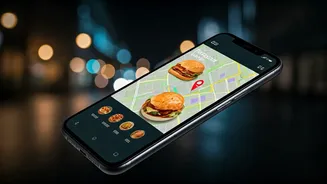
This wealth of data is just as valuable for the platforms and their restaurant partners. Predictive analytics help forecast demand, allowing restaurants to better manage their inventory and staffing levels, especially during peak periods. For the delivery platforms themselves, data is the key to operational efficiency. Sophisticated algorithms analyze real-time traffic, weather, and restaurant prep times to optimize delivery routes, cutting down on wait times and fuel costs. Furthermore, many platforms now provide analytics dashboards to restaurants, giving them insights into their own performance, customer churn, and pricing strategies. This allows a small independent restaurant to make data-backed decisions that were once the exclusive domain of large chains.
The Price of Convenience
This new era of convenience comes with critical questions about privacy. A significant point of debate in India revolves around whether platforms should share customer data, such as phone numbers, directly with restaurants. While restaurants argue they need this information to build direct relationships, privacy advocates and even politicians have raised alarms about the potential for spam and data misuse. In response, some platforms have started exploring consent-based sharing. Another concern is fair competition. With deep insights into the most popular cuisines and profitable menu items, there are fears that delivery giants could use this data to give their own private-label food brands an unfair advantage over the very restaurants listed on their marketplace. As these platforms become more embedded in our lives, the line between helpful personalisation and intrusive monitoring continues to blur.