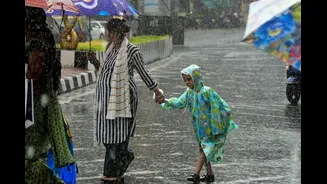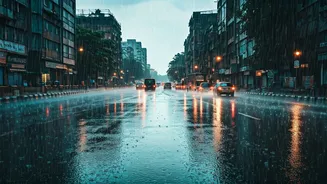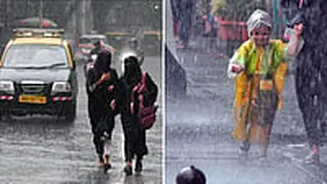



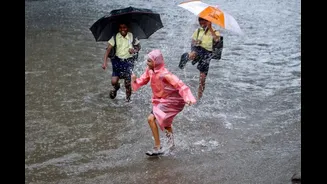


The First Rains, The Familiar Floods
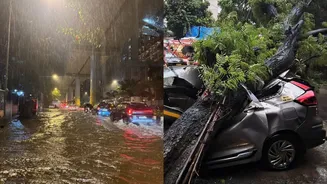
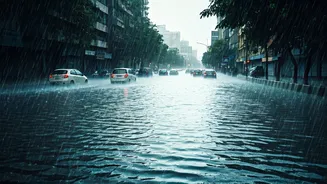
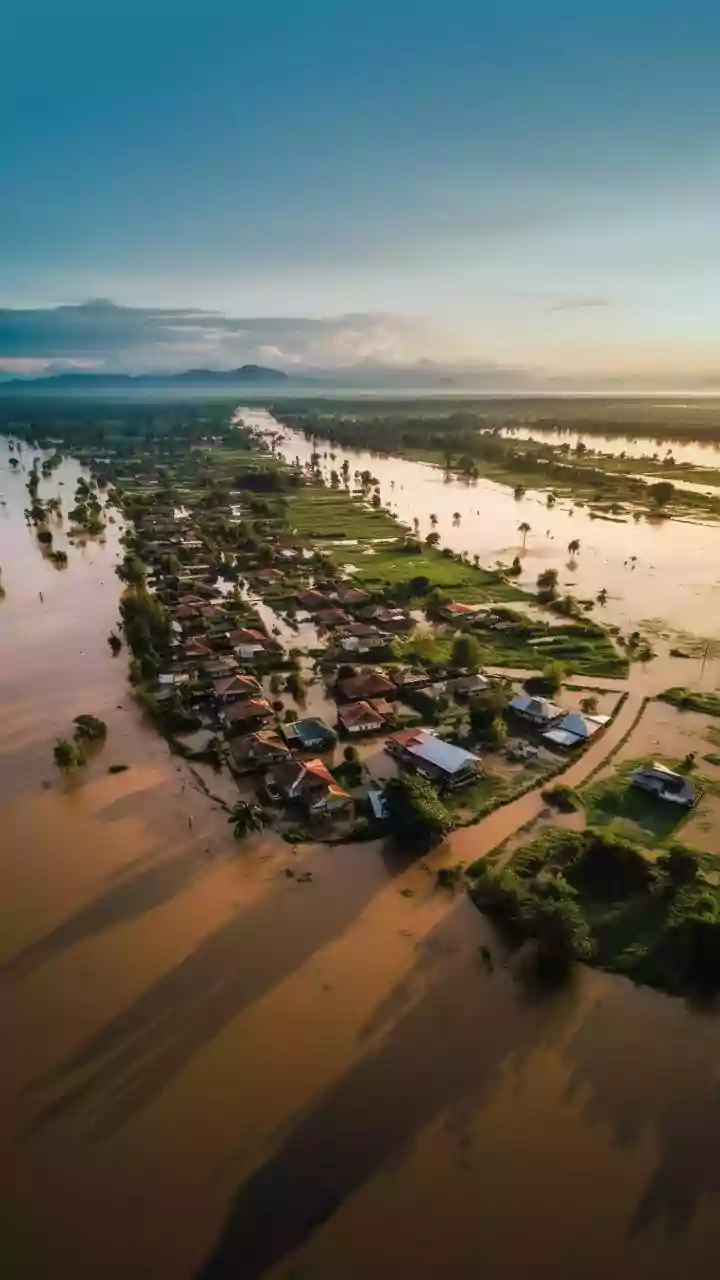
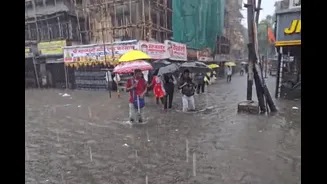
After a delayed start, the southwest monsoon made a powerful entry into Mumbai this week, with some areas receiving over 200 mm of rain in just 24 hours. [3, 5] The intense downpour on June 23rd and 24th immediately led to widespread waterlogging in several
low-lying areas, including Hindmata, Sion, Andheri Subway, and King's Circle. [3, 6, 7] The India Meteorological Department (IMD) issued red and orange alerts, warning of continued heavy rainfall and strong winds. [5, 21] For residents, the sight of submerged streets and stalled vehicles was an instant and unwelcome reminder that the city's annual battle with water had begun. [7, 9]
The Commuter's Survival Guide
For Mumbaikars, the monsoon 'drill' is most evident in the daily commute. Local train services, the city's lifeline, have already reported delays of 15-20 minutes on both Central and Western lines due to water on the tracks. [11, 22] A track cave-in on the Trans-Harbour line caused a significant suspension of services, leaving many stranded. [22] BEST bus routes have been diverted due to flooded roads, forcing commuters to rely on social media for real-time updates. [11, 21] The advice is standard yet essential: leave early, pack patience, protect electronics in waterproof bags, and always have a power bank handy. [11] Check official channels like the BMC's disaster cell (1916) and the traffic police's social media before stepping out. [11]
What is the BMC Doing?
Every year, the Brihanmumbai Municipal Corporation (BMC) publicises its pre-monsoon preparations. This year, the civic body claimed to be ready, having deployed around 547 dewatering pumps across the city's flood-prone spots, some equipped with IoT-enabled monitoring for real-time tracking. [4, 8, 13] The BMC also stated it had activated its pumping stations and undertaken desilting of drains and the Mithi River. [4, 8] However, the first heavy rains have already led to familiar scenes of flooding and criticism from residents and political figures, with some claiming drains were not cleaned adequately. [3, 6] Protests have even broken out, with residents in Powai sitting in waterlogged streets to highlight the perceived civic apathy. [7]
Your Personal Preparedness Plan
While civic bodies manage the macro-level response, personal preparedness is key to navigating the season safely. * **Health First:** Avoid walking through floodwaters, which can be contaminated and hide open manholes. Drink boiled or filtered water to prevent waterborne illnesses. [15] * **Stay Informed:** Follow the IMD for weather alerts and the BMC and Mumbai Police on social media for advisories on traffic, high tides, and other disruptions. The BMC has also issued warnings against venturing near the sea during high tide periods. [12, 15] * **Homefront:** Secure loose items on balconies, check for any leaks, and keep a basic emergency kit with a torch, first-aid supplies, and non-perishable food. * **Travel Smart:** If you must travel, verify your route status. Use navigation apps that show real-time traffic and flooded areas. In some cases, working from home, if possible, is the safest option. [11, 14]
Beyond the Annual Drill: The Deeper Issues
The phrase "Mumbai knows the drill" also hints at a deeper frustration. The annual waterlogging is not merely a consequence of heavy rain but a result of systemic issues. The city's aging drainage infrastructure, some of which dates back to the British era, is ill-equipped for the increasingly intense rainfall linked to climate change. [16] Unchecked urbanisation, the loss of natural floodplains like mangroves, and continuous construction have further compromised the city's ability to drain water effectively. [16] Many critical flood-mitigation projects remain stuck in the planning stage, with at least 29 chronic flooding hotspots awaiting a permanent solution. [19] Until these long-term challenges are addressed, the 'drill' is a cycle of crisis and coping that Mumbai is forced to repeat each year.