
A catastrophic high-speed train collision in Toledo, Spain, has sent shockwaves through the global rail industry. The incident serves as a stark reminder that even the most advanced systems can fail, sparking urgent debate on the robustness of safety
protocols.
What Happened in Toledo?
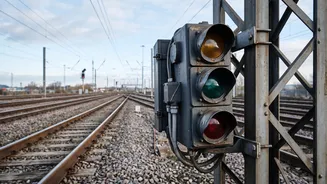
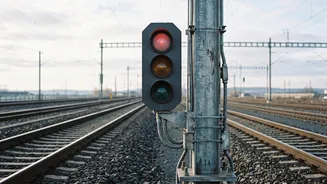
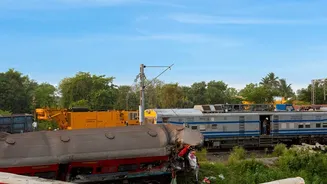
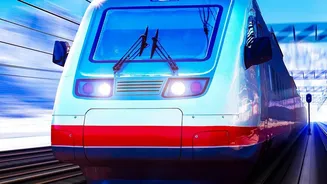
On October 28, 2026, two high-speed trains traveling from Madrid to Seville were involved in a deadly rear-end collision in the province of Toledo. An Iryo company train carrying 147 people had come to a stop on the tracks following a technical failure in the line's automated signaling system. Shortly after, a Renfe AVE train, carrying 397 passengers, slammed into the stationary train from behind. The devastating crash resulted in 69 fatalities and left over 200 people injured. Preliminary details suggest the automatic safety system, known as LZB, which monitors train positions and can trigger automatic braking, had malfunctioned. This forced a switch to manual control, where a critical and ultimately fatal error appears to have occurred.
The Automated Safety Net
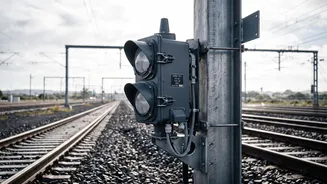
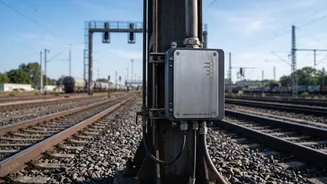
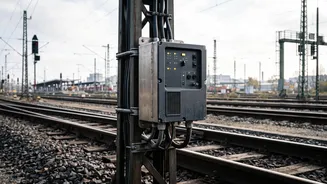
Modern high-speed railways rely on sophisticated Automatic Train Protection (ATP) systems, like LZB in Spain or the U.S. equivalent, Positive Train Control (PTC), to prevent accidents. These systems are the invisible guardians of the tracks, designed to override human error. Using GPS, trackside sensors, and radio communications, these systems monitor a train's position, enforce speed limits, and can automatically apply the brakes to prevent a collision or derailment. In principle, a system like this should make a Toledo-style collision impossible. The technology is designed specifically to prevent train-to-train collisions, derailments from excessive speed, and unauthorized entry into work zones. The goal is to create a 'fail-safe' environment where any single malfunction defaults the system to a safe state—usually, bringing all trains to a halt.
When Fail-Safe Fails
The Toledo tragedy highlights a critical vulnerability: the handover from an automated system to human control. When the LZB system failed, responsibility shifted to human controllers. Early reports and leaked audio suggest that despite the Iryo train being stopped, the following Renfe train was given clearance to proceed at normal speed, an instruction Spain's Transport Minister called 'inexplicable' and 'erroneous'. Instead of proceeding with extreme caution under manual rules, the train may have reached speeds of up to 200 km/h before the impact. This raises profound questions about the protocols that govern what happens when the primary technology fails. If the manual backup procedures are unclear, or if pressure to maintain service leads to risky decisions, the entire safety net can collapse. The investigation is now scrutinizing whether this was a one-time blunder or indicative of a systemic issue in how controllers handle such failures.
Lessons for India's High_Speed Ambitions
The incident in Spain offers crucial, if somber, lessons for India, which is in the midst of a massive railway modernization push, including the introduction of more Vande Bharat Express trains and the development of its first bullet train corridor. India is deploying its own indigenous ATP system, Kavach, but the rollout has been slow, covering only a fraction of the nation's vast network. The Toledo crash underscores that simply having the technology is not enough; the protocols for its failure are just as vital. Experts warn that a focus on speed and new trains must be matched by an equal investment in track maintenance, signal modernization, and comprehensive staff training. With hundreds of thousands of safety_critical positions in Indian Railways reportedly vacant, the risk of human error in a crisis situation remains a significant concern. The Spanish disaster is a powerful case study on the need for robust, regularly drilled failure protocols to ensure that when automated systems go dark, human operators are fully prepared to manage the situation safely.