







What Are Thermoelectric Textiles?
Imagine a t-shirt that can charge your fitness tracker while you jog. This is the promise of thermoelectric textiles, a groundbreaking innovation in wearable technology. At their core, these are not ordinary fabrics. They are advanced materials engineered
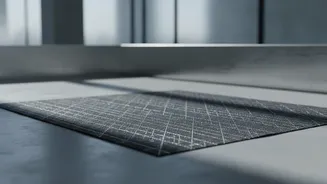
to convert heat directly into electricity. This process relies on a scientific principle known as the Seebeck effect, where a temperature difference between two sides of a special material generates an electrical voltage. In this case, the temperature difference is between your warm body and the cooler ambient air. By weaving or coating fabrics with thermoelectric materials, researchers have created textiles that act as flexible, wearable power generators.
From Body Heat to Battery Power
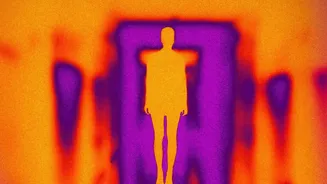
The magic lies in turning a subtle temperature gradient into usable energy. When you wear a garment made from thermoelectric fabric, one side of the material is close to your skin (around 37 degrees Celsius) while the other is exposed to the air. Even a few degrees of difference is enough for the thermoelectric materials to get to work. These materials, often advanced polymers or inorganic compounds like bismuth telluride, are designed at a molecular level to encourage electrons to move from the hot side to the cold side, creating a flow of current. While a single thread might only produce a tiny amount of voltage, weaving thousands of them together into a patch of fabric can generate enough power to operate low-energy devices like biometric sensors or simple trackers.
The Challenge of Real-World Wear
While the concept is powerful, turning lab prototypes into commercial products presents several hurdles. The biggest challenge has long been the trade-off between energy efficiency and comfort. Early thermoelectric materials were often rigid, brittle, and not suitable for clothing. However, recent breakthroughs have involved developing flexible, non-toxic, and even stretchable thermoelectric polymers and fibers. Researchers in Sweden have successfully coated silk threads with a conductive polymer that is lightweight and stable, while a Korean team developed flexible inorganic fibers that withstand over 1,000 bends without losing performance. Durability is another key factor; these fabrics must withstand washing and daily wear. Promisingly, some materials have shown they can retain most of their conductivity even after multiple washes, a significant step toward practical use.
Powering the Future of Wearables
The potential applications extend far beyond just keeping your step counter alive. In medicine, self-powered sensors could continuously monitor a patient’s vital signs without needing battery changes, a huge benefit for remote or long-term care. For athletes, clothing could power sensors that track performance metrics in real-time. In industrial settings, uniforms could power safety devices that monitor a worker's exposure to hazardous conditions. This technology isn't just about generating power; it is also about creating more sustainable and seamless electronics. By eliminating the reliance on disposable or rechargeable batteries, smart textiles could reduce electronic waste and make wearable technology truly unobtrusive.
When Can You Wear This Tech?
While you probably won't find a self-charging shirt in stores tomorrow, the pace of innovation is rapid. The power output, currently in the range of microwatts to milliwatts, is still a limiting factor for energy-hungry devices, but it's already viable for many small sensors. The primary obstacles to mass production are cost and manufacturing complexity. Many current prototypes are assembled by hand, which is not scalable. However, researchers are actively working on automating these processes and exploring the use of less expensive materials. As manufacturing techniques mature and efficiency improves, thermoelectric textiles are poised to move from the laboratory to our closets, fundamentally changing our relationship with the technology we wear.