







Debunking the 'Bulky' Myth
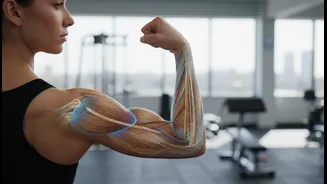
For decades, a pervasive myth kept many women away from weights: the fear of becoming 'bulky'. However, science tells a different story. Due to lower levels of testosterone, women naturally build lean muscle rather than significant bulk. The 'toned' and
athletic physique many desire is actually the result of building muscle and reducing body fat, a process where resistance training excels. Unlike men, women's physiological response to strength training, influenced by hormones like estrogen, leads to increases in strength and definition without the same degree of muscle size increase. This understanding has empowered a new generation to lift for strength and health, leaving outdated stereotypes behind.
Your Metabolism's New Best Friend
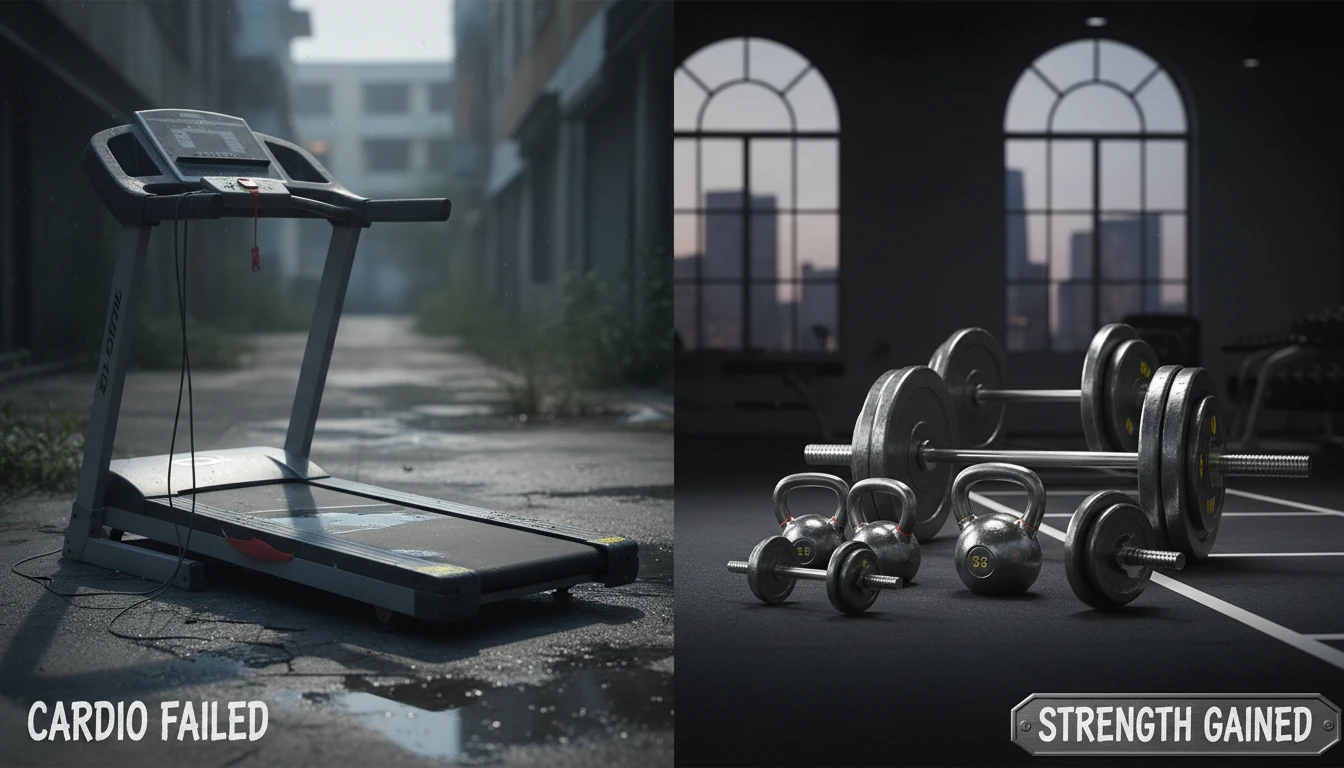
One of the most significant, yet often overlooked, benefits of resistance training is its profound impact on metabolism. While cardio burns calories during the activity, strength training builds muscle, which increases your resting metabolic rate. This means your body burns more calories throughout the day, even when you're not exercising. As women age, metabolism naturally slows down, but building more lean muscle mass is a powerful way to counteract this. This long-term metabolic advantage makes strength training a highly efficient strategy for healthy weight management and improving body composition.
Investing in a Stronger Future
Perhaps the most critical long-term benefit for women is the impact on bone health. After the age of 30, women begin to lose muscle mass and bone density, a process that accelerates significantly after menopause and increases the risk of osteoporosis. Resistance and weight-bearing exercises put productive stress on bones, which stimulates bone-forming cells and leads to stronger, denser bones. Studies show that consistent strength training can not only slow bone loss but can actually help build new bone, drastically reducing the risk of fractures later in life. For young women, starting a resistance training routine is a direct investment in their future physical independence and resilience.
More Than Physical: The Mental Gains
The trend towards lifting is also deeply connected to mental and emotional well-being. Research has consistently shown that resistance training can significantly reduce symptoms of anxiety and depression. The act of lifting weights releases endorphins, the body's natural mood elevators, and helps lower levels of the stress hormone cortisol. Beyond the chemical boost, there is a powerful psychological component. The process of getting progressively stronger fosters a sense of accomplishment, empowerment, and self-confidence that extends far beyond the gym. This focus on capability over appearance is a major driver for why so many young women find strength training to be a crucial part of their self-care routine.
A Cultural Shift from Smaller to Stronger
Ultimately, the rise of resistance training among young women reflects a broader cultural shift. The fitness narrative is moving away from the goal of simply being smaller and toward the more empowering goal of being stronger and more capable. This mindset aligns with modern conversations around body positivity and female agency. Seeing what your body can achieve, rather than just how it looks, is a powerful change in perspective. As more women share their progress and celebrate their strength, they break down old barriers and create a more inclusive and inspiring fitness landscape for everyone.