

The Golden Rule: Shop Small and Fresh
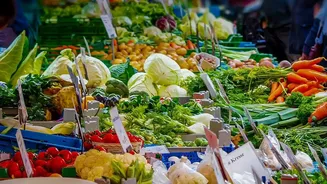
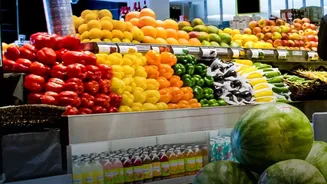
The most effective strategy during the monsoon is to change your shopping habits. Instead of buying vegetables for the entire week, aim to purchase smaller quantities that you can consume within a few days. This approach minimises the time produce spends
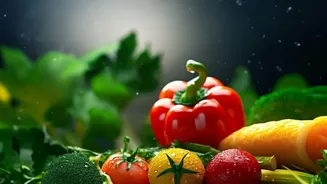
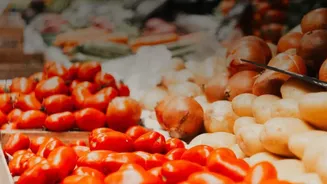
in your kitchen, where humidity can accelerate decay. When at the market, choose vendors who keep their produce on raised platforms, away from muddy water, and seem to have a quick turnover of stock. Always trust your senses: if a vegetable looks slimy, bruised, or smells unpleasant, it's best to avoid it, no matter how tempting the price.
Navigating Leafy Greens
Leafy vegetables like spinach, coriander, and methi are particularly vulnerable during the rains. The layers of leaves can trap excess moisture, soil, and microbes, making them prone to rotting quickly. When buying, inspect bunches carefully. The leaves should be crisp and vibrant, not slimy, yellowing, or wilted. Avoid pre-cut greens, as the damaged tissues decay faster. Once home, do not wash them until you are ready to cook. If they are damp, pat them dry gently with a paper towel, wrap them loosely in paper (not plastic), and store them in the refrigerator's vegetable drawer.
Inspecting Cruciferous Vegetables
Cauliflower, cabbage, and broccoli are other monsoon favourites that require a careful eye. The dense florets and layered leaves can hide worms and rot, which become more common in the damp weather. Check for any signs of discolouration, dark spots, or tiny holes. The heads should feel firm and heavy for their size. Give them a quick sniff; a fresh cauliflower or cabbage should have a clean, earthy smell. Any pungent or sour odour is a red flag. These vegetables are best stored in breathable bags in the fridge to allow air circulation and prevent moisture buildup.
Choosing Gourds and Fleshy Vegetables
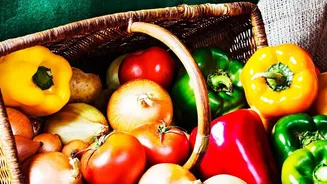
Gourds such as lauki (bottle gourd), turai (ridge gourd), and karela (bitter gourd) are generally considered safer bets during the monsoon. However, they are still susceptible to spoilage. When selecting them, look for produce that is firm and has smooth, unblemished skin. Soft spots, bruises, or any signs of wrinkling indicate that the vegetable is old and will not last long. Tomatoes, another staple, should be firm and brightly coloured. Avoid those with water-soaked spots or cracks, as these are entry points for bacteria.
A Guide to Root Vegetables
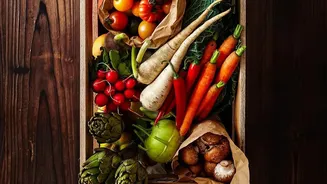
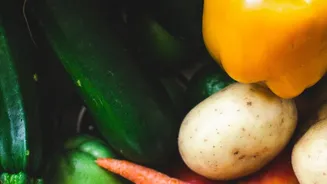
Root vegetables like potatoes and onions can also suffer in the humid climate. Potatoes may start sprouting, while onions can become soft or develop mould. When purchasing potatoes, choose ones that are firm and free of green patches or sprouts. For onions, look for those with dry, papery outer skin and no soft spots. It's crucial to store these vegetables in a cool, dark, and dry place with good air circulation—never in a sealed plastic bag or the refrigerator, which can ruin their texture and flavour.
Immediate Steps After Shopping
What you do right after returning from the market is just as important as your selection process. Do not leave your vegetables in the plastic bag you brought them home in, as this traps moisture and speeds up spoilage. For most vegetables, especially leafy greens, it's best to dry them completely before refrigeration. Pat them down with a clean cloth or paper towel. For vegetables like carrots or radishes, trimming off any leafy tops can also help them retain moisture and stay fresh longer. Storing them properly in breathable bags or wrapped in paper can extend their life significantly.