




The Unspoken Ingredient: Fridge Space
Many modern recipes, especially those found online, are developed with an unspoken assumption: that the cook has ample refrigerator space. This hidden 'ingredient' is crucial for recipes that involve multi-day preparation, large-batch cooking for meal
prep, or simply those that call for a wide array of fresh, bulky produce. A small refrigerator—common in apartments, starter homes, and shared living spaces—can quickly become a logistical bottleneck. A fridge that is too small for your needs can lead to overcrowded shelves, poor air circulation, and even food spoilage. Choosing the right size is about balancing your cooking habits with your kitchen's reality.
When Ambitious Recipes Meet a Small Fridge
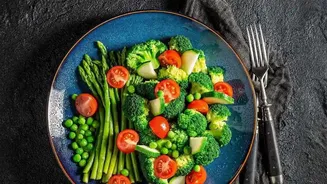
Certain types of recipes are particularly challenging with limited cold storage. Think of elaborate holiday meals where large dishes need to be chilled, multi-tiered cakes that require refrigeration between stages, or week-long meal preps stored in bulky containers. Recipes calling for long marination times for large cuts of meat can take up an entire shelf. Similarly, a desire to follow a healthy, vegetable-heavy diet can be thwarted by the sheer volume of fresh greens, gourds, and other produce that need to be kept crisp and cool. Without careful planning, that exciting recipe can become a source of stress rather than joy.
Strategy 1: Rethink Your Shopping Habits
One of the most effective ways to manage a small fridge is to shift from a large weekly or fortnightly grocery run to smaller, more frequent trips. This 'just-in-time' approach means you only buy what you need for the next couple of days. This not only saves precious fridge real estate but also ensures your ingredients are fresher. Before you shop, take a quick inventory of your fridge, freezer, and pantry to avoid buying duplicates. It also pays to know which fruits and vegetables don't actually require refrigeration, such as tomatoes, potatoes, onions, and most citrus fruits, freeing up valuable drawer space.
Strategy 2: Become a Master of Organisation
An organised fridge can dramatically increase its functional capacity. Start by using clear, stackable containers. Square or rectangular shapes are more space-efficient than round ones. Think vertically; use shelf risers to create multiple layers on a single shelf and consider using vacuum-sealed bags, which can be flattened and stacked. Designate zones within your fridge: condiments on the door (the warmest part), leftovers at eye-level for quick consumption, and raw meats on the lowest shelf to prevent drips. Using bins to group similar items, like yogurts or cheeses, makes them easy to pull out without disrupting everything else.
Strategy 3: Adapt Recipes to Your Kitchen
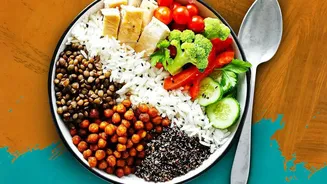
Instead of abandoning a recipe, look for ways to adapt it. If a recipe calls for pre-chopping vegetables a day in advance, you can often do this just before cooking instead. If you're meal prepping, consider a 'component prep' approach. Cook a batch of a protein (like chicken) and a grain (like rice), then store them compactly. You can then assemble different meals throughout the week using fresh or pantry-staple sauces and quick-cooking vegetables. This takes up less space than storing five fully assembled meals in large containers. For recipes involving freezing, 'souper cubes' or flat-packing in resealable bags can be a game-changer for freezer organisation.