






The Annual Ritual of Hope and Despair
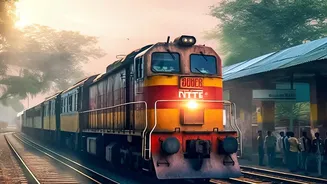
For millions of Indians, the lead-up to any major festival like Diwali, Holi, or Durga Puja is marked by a familiar routine: logging onto the IRCTC website the moment bookings open. What follows is a frantic race against time, culminating in either a coveted
confirmed ticket or, more often, a spot on the seemingly endless General Waiting List (GNWL) or a Regret/Waiting List (RLWL). This kicks off weeks of anxiety, constantly checking PNR statuses and praying for a miracle. The alternative isn't much better. Last-minute flight searches reveal 'dynamic pricing' at its worst, with fares soaring to three or four times their usual cost. Driving home can mean being stuck in gruelling highway traffic for hours, turning a six-hour journey into a 12-hour ordeal. This cycle of stress has become an accepted, if dreaded, part of our holiday traditions.
Shifting from Waiting to Planning
The core problem is a reactive mindset. We focus on securing a single seat on a single, preferred mode of transport and then passively wait for our fate to be decided. Smart route planning flips this script. It’s an active strategy that puts you in control. Instead of asking 'Will my ticket get confirmed?', you start asking 'What is the most efficient, cost-effective, and enjoyable way to get from Point A to Point B?'. This shift fundamentally changes your approach. It moves the focus from a single, high-demand option to a flexible, multi-pronged plan. The goal is no longer just to get a ticket; it's to design a better journey from the start, liberating you from the mercy of waitlists and surge pricing algorithms.
The Multi-Modal Masterstroke
One of the most powerful tools in a smart planner's arsenal is multi-modal travel. This means breaking your journey into legs and using different forms of transport for each. For example, instead of trying to get a direct train from Mumbai to a small town in Uttar Pradesh, consider a different approach. You could take a flight to a major hub like Lucknow or Varanasi, and from there, book a pre-paid taxi or a comfortable bus for the final leg of the journey. While this might seem more complex, it is often faster, more reliable, and sometimes even cheaper than a last-minute Tatkal ticket or a flight booked under pressure. Apps and travel aggregators now make it easier than ever to see these combinations, helping you piece together a journey that completely bypasses the most congested routes.
Your GPS is a Modern Crystal Ball
If you are travelling by car, smart route planning goes beyond just knowing the main highway. Modern navigation apps like Google Maps or Waze are indispensable. They don't just show you the shortest route; they provide real-time traffic data, helping you avoid unexpected jams and accidents. Before you even start your journey, you can use their 'depart at' or 'arrive by' features to estimate travel time based on typical festival traffic patterns. This helps you decide on the best time to leave. Furthermore, these tools can reveal alternative state highways or district roads that might be less crowded. A slightly longer route on paper could save you hours of frustration by helping you bypass choke points like major toll plazas and congested city entry points.
Timing Is Everything
The peak travel rush for any festival usually occurs within a tight 48-hour window. The vast majority of people try to travel on the day before the main festival day. By simply adjusting your travel schedule, you can sidestep this chaos. Leaving two or three days earlier, or even on the morning of the festival itself, can make a world of difference. Not only will roads be clearer and airports less crowded, but you will also find that ticket prices are significantly lower. This 'shoulder period' travel is the simplest and most effective strategy for beating the rush. It may require taking an extra day of leave, but the savings in money and mental peace are almost always worth the trade-off. It’s a small adjustment that yields massive returns in comfort and convenience.