



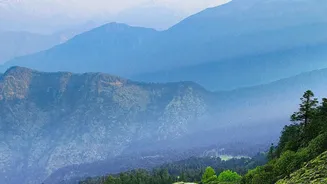


The persistent haze of city life, coupled with rising stress levels, has given rise to a new travel trend: the 'urban recovery' holiday. It's a getaway designed not just for sightseeing, but for breathing deeply and letting your body heal.
What is an Urban Recovery Holiday?
Forget frantic,
jam-packed itineraries. The goal of an urban recovery holiday is simple: to escape polluted city environments and immerse yourself in nature to physically and mentally recharge. This trend is a direct response to worsening air quality in major metropolitan areas, with travellers increasingly planning trips around air quality forecasts rather than just long weekends. The focus is on rest, rejuvenation, and simple pleasures like walking in a forest, sleeping better, and allowing children to play outdoors in a clean environment. Scientific studies support the benefits, showing that time in nature can lower stress hormones, improve memory, and boost mental energy. It’s about trading the cacophony of traffic for the rustle of leaves and the grey smog for clear, open skies.
The Himalayan Foothills: Crisp Mountain Air
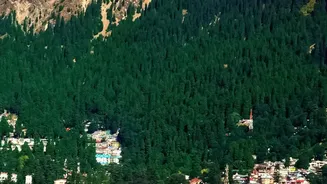
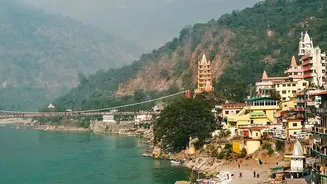
For residents of Delhi and North India, the Himalayas are a natural choice for a lung-soothing escape. Destinations in Uttarakhand and Himachal Pradesh offer a potent combination of high altitude and dense forests, which act as natural air purifiers. Places like Mukteshwar, at an elevation of 7,500 feet, often sit above the pollution line, guaranteeing crisp, clean air. While popular spots like Shimla and Nainital can get crowded, quieter alternatives like Kasauli, Tirthan Valley, or the areas around Bhimtal provide a more peaceful experience. Wellness retreats in the region, such as Ananda in the Himalayas, specifically market their location for its clean Himalayan air and tranquil environment, ideal for yoga and meditation.
The Western Ghats: A Green Sanctuary
For those in Mumbai and Pune, the lush Western Ghats offer a quick and effective reset. Coorg (Kodagu) in Karnataka is a prime example, with its vast coffee plantations and forests acting as the region's green lungs. The elevation and lack of heavy industry contribute to consistently low pollution levels. Recent air quality readings in Madikeri, Coorg, have been rated as 'Good', providing a stark contrast to urban centres. Another unique destination is Matheran in Maharashtra, renowned as Asia's only automobile-free hill station. With vehicles banned, the air remains exceptionally pure, offering a genuine escape from noise and pollution just a few hours from Mumbai. Visitors explore the red-earth paths on foot or horseback, making it a true model for eco-friendly tourism.
The Nilgiris: Southern Mountain Calm
Further south, the Nilgiri Hills, or 'Blue Mountains', provide a cool, clean-air haven for people from Bengaluru and Chennai. Hill stations like Ooty and its quieter neighbour Coonoor are surrounded by tea gardens and eucalyptus forests, which contribute to the clean, aromatic air. The high altitude ensures a temperate climate with crisp, dry days, especially from December to January. While these are popular tourist spots, the air quality is generally better than in the southern cities. A stay on a secluded tea estate or a property slightly away from the main town centres can offer a truly restorative experience with fresh mountain breezes and stunning valley views.
The Eastern Retreats: Undisturbed Beauty
For those willing to travel further, India's eastern and northeastern states boast some of the country's cleanest air. Cities like Aizawl in Mizoram and Shillong in Meghalaya regularly record low AQI levels due to high rainfall, strong winds, and minimal industrial activity. Gangtok in Sikkim is another excellent choice, offering majestic views of Kanchenjunga in a 'Good' air quality environment. Mawlynnong in Meghalaya holds the title of 'Asia's Cleanest Village', a testament to a community dedicated to sustainability. These destinations offer a deeper detox, combining pristine nature with unique cultural experiences far from the urban grind.