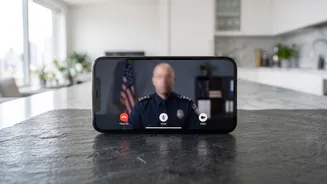









A call from the CBI, a fake arrest warrant, and the threat of immediate jail time. This isn't a movie plot; it's the 'digital arrest' scam, a sophisticated fraud that is conning even savvy professionals out of their life savings.
What is a Digital Arrest Scam?
A 'digital arrest' is
a complex cyber fraud where scammers impersonate law enforcement officials from agencies like the CBI, local police, or even the Enforcement Directorate. They contact victims, often professionals, with false accusations of serious crimes like money laundering or drug trafficking. The term 'digital arrest' itself is a complete fabrication; there is no such provision under Indian law. The entire operation is a meticulously staged performance designed to create intense fear and urgency, pressuring victims to transfer large sums of money to 'settle' the fake case or for 'verification'.
The Anatomy of the Scam
The scam unfolds in several calculated stages. It typically begins with an unsolicited call or message, sometimes from a person claiming to be from a courier company about a suspicious parcel linked to the victim's Aadhaar number. The call is then 'transferred' to a scammer posing as a high-ranking police officer. This fake official accuses the victim of a crime and, to build credibility, may present forged documents like FIRs, warrants, or official-looking ID cards over a video call on platforms like Skype or WhatsApp. Scammers often use backdrops that resemble a police station to make the threat seem authentic. The victim is then placed under 'digital arrest', ordered not to disconnect the call or speak to anyone, effectively isolating them. The final step is the demand for money, framed as a refundable security deposit or a fee to clear their name.
The Psychological Manipulation at Play
These scams succeed not because of technological genius, but due to powerful psychological manipulation. Scammers exploit the natural respect for authority and the fear of legal trouble. By invoking depraved acts or national security threats, they trigger feelings of fear, shame, and guilt, which disrupts rational decision-making. The prolonged video calls, which can last for hours or even days, are a key tactic to isolate victims from their support systems and induce intense mental pressure. This creates a state of 'destructive obedience', where the victim, held mentally hostage, complies with orders against their own interest just to end the ordeal. Even highly educated professionals fall victim because the scam is designed to overwhelm a person's ability to think clearly.
Red Flags: How to Spot the Fraud
Recognising the warning signs is the best defence. Be immediately suspicious of any unsolicited call from someone claiming to be a law enforcement official who threatens you with arrest. Real police and central agencies do not conduct investigations or make arrests over the phone. Another major red flag is any demand for immediate payment, especially through unconventional methods like direct bank transfers or cryptocurrency to 'resolve' a criminal case. They will pressure you to act fast and forbid you from talking to anyone. Any request for your OTP, bank details, or to stay on a video call for 'surveillance' is a definite sign of a scam.
What to Do If You Are Targeted
If you receive such a call, the first and most important step is to stay calm and disconnect immediately. Do not engage with the caller or follow their instructions. Remember, it is a scam. Block the number. Never share your bank details, Aadhaar information, or any OTPs. After disconnecting, it is crucial to report the incident. You can file a complaint on the National Cyber Crime Reporting Portal at cybercrime.gov.in or by calling the dedicated helpline number 1930. Informing your bank is also a wise step if you are worried that any financial information may have been compromised. By reporting, you not only help yourself but also provide authorities with information to track these criminals and protect others.