


Your First Line of Defence: The Right Bag
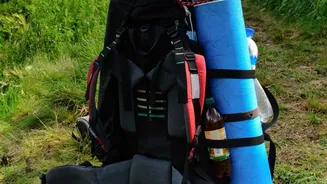
Before you worry about what’s inside, the first step is securing the container itself. If you frequently commute with expensive electronics, investing in a fully waterproof backpack is your best bet. Brands like Ortlieb and YETI offer high-end options
with welded seams and watertight zippers that can withstand a serious soaking. For a more budget-friendly approach, a simple rain cover for your existing backpack can be highly effective. These are lightweight, pack down small, and can be deployed in seconds. For extreme conditions, some experts even recommend double-bagging: placing your sensitive items in a smaller dry bag before putting them inside your main waterproof backpack.
Internal Security for Your Gadgets
Once your main bag is sorted, think about individual protection. The humble zip-lock plastic bag is an incredibly effective and cheap tool. Keep a few different sizes in your backpack to quickly stash your phone, power bank, and charging cables if you're caught in a sudden storm. For more delicate items like a camera or tablet, consider a dedicated TPU (thermoplastic polyurethane) waterproof case. These are flexible, often allow you to use the touchscreen through the material, and provide a more robust seal than a standard zip-lock bag. Don't forget to toss in a few silica gel packets—the kind that come with new shoes or electronics—into your bag to absorb any ambient moisture or condensation that might form inside.
Protecting Your Footwear from the Floods
Wet feet are uncomfortable, but ruined shoes are a costly problem. For leather shoes, prevention is everything. Start by regularly treating them with a quality waterproofing spray, which creates a protective barrier against moisture without harming the material. Before you spray, make sure the shoes are clean. For smooth leather, apply a nourishing cream or polish first, then follow with the waterproofing agent. This routine should be repeated every few weeks during the monsoon, and especially after getting caught in a heavy downpour. For suede, use a product specifically designed for that material. A proactive choice for rainy days is footwear with rubber soles, as they offer better water resistance and grip on slick surfaces.
Damage Control: When Water Inevitably Wins
Despite our best efforts, sometimes water gets in. If your electronic device gets wet, the first and most critical step is to power it off immediately to prevent short circuits. Remove the battery if possible, along with any SIM or memory cards. Wipe the exterior with a dry cloth. Do not use a hair dryer or place it in an oven, as direct heat can cause permanent damage. Forget the popular myth about using rice; it’s slow and not very effective. A far better solution is to place the device in a sealed, airtight container with a generous amount of silica gel packets for at least 24 to 48 hours.
Reviving Soaked Shoes
If you come home with drenched shoes, resist the temptation to place them near a heater or in direct sunlight, which can cause leather to crack and materials to warp. The best method is slow and steady. First, remove the insoles and loosen the laces to improve air circulation. Then, stuff the shoes tightly with crumpled newspaper, which is excellent at absorbing moisture. You may need to replace the damp newspaper every few hours for very wet shoes. Placing them in a well-ventilated room, perhaps near a fan, will also speed up the process safely. For leather shoes, using cedar shoe trees is also a great option as they absorb moisture while helping the shoe retain its shape.