




From Kitchen Staple to Wellness Star
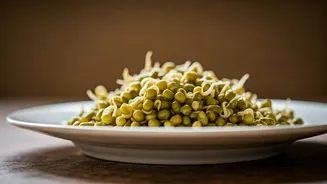
For generations, sprouted moong dal has been a quiet constant in Indian kitchens. Known as *ankurit moong*, it’s been a reliable source of nutrition, often tossed into salads or turned into a simple *chaat*. But recently, something has shifted. This unassuming
ingredient is being hailed as a modern superfood, championed by nutritionists and fitness influencers alike. The new focus, however, isn't just on the sprouts themselves, but on how they’re prepared. The latest wellness wisdom is clear: cooking your sprouts is the key. This move away from the raw-is-best philosophy is transforming how we see this traditional food, positioning it as a solution for contemporary health concerns like gut health, plant-based protein intake, and building immunity.
Why Cooked? The Great Sprout Debate
The biggest reason for the shift towards cooked sprouts is digestibility. While raw sprouts are packed with nutrients, they can be harsh on the digestive system for many people, leading to bloating and gas. The complex starches in raw sprouts can be difficult to break down. A light steaming or boiling process pre-digests these starches, making the sprouts significantly easier on your stomach. More importantly, cooking addresses safety concerns. Raw sprouts can sometimes harbour harmful bacteria like E. coli and Salmonella, which thrive in the warm, moist conditions required for sprouting. A quick cook kills these potential pathogens, making your meal safer without compromising its core nutritional value. It’s a simple step that offers peace of mind and makes the goodness of moong accessible to everyone, even those with sensitive stomachs.
A Nutritional Powerhouse, Unlocked
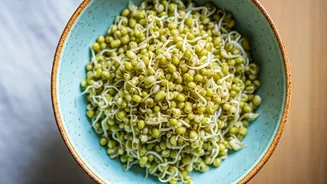
So, what exactly are you getting in a bowl of cooked moong sprouts? You’re getting one of the best plant-based sources of protein, essential for muscle repair, energy, and feeling full. They are also loaded with dietary fibre, which is crucial for good digestion, stable blood sugar levels, and heart health. While cooking can slightly reduce the levels of heat-sensitive vitamins like Vitamin C, it makes other nutrients more bioavailable, meaning your body can absorb them more easily. Moong sprouts are also rich in antioxidants, which fight cellular damage, and provide a good dose of folate, magnesium, and manganese. In essence, cooking them doesn't strip them of their power; it just unlocks it in a gentler, more efficient way, making every spoonful work harder for your body.
More Than Just a Chaat
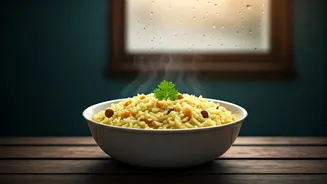
The beauty of cooked moong sprouts lies in their versatility. It’s time to think beyond just adding a sprinkle of *chaat* masala and lemon juice. Their mild, earthy flavour and satisfying texture make them a fantastic addition to a wide range of dishes. Try tossing a generous handful into your everyday *dal* or *sabzi* during the last few minutes of cooking for a protein and texture boost. They are a brilliant filler for wraps, sandwiches, and even savoury *dosa* fillings. You can also blend them into a smooth paste to make a nutrient-dense batter for pancakes or *cheelas*. For a quick and hearty meal, stir-fry them with some garlic, ginger, and your favourite vegetables. They absorb flavours beautifully, making them a perfect canvas for your culinary creativity.
How to Join the Trend at Home
Making your own cooked moong sprouts is incredibly simple and cost-effective. Start by soaking whole green moong beans in water overnight. The next day, drain them completely and tie them in a damp muslin cloth. Leave the cloth in a warm, dark place for 24-48 hours, rinsing the beans once or twice a day, until you see small tails emerge. Once they’ve sprouted to your desired length, it’s time to cook. You don't need to cook them for long. A light steam for 5-7 minutes or boiling them in water for just 3-4 minutes is all it takes. They should be tender but still have a slight crunch. Once cooked and cooled, they are ready to be used in any of the ways mentioned above or stored in the fridge for a few days for quick meal prep.