




What Are Solid-State Batteries?
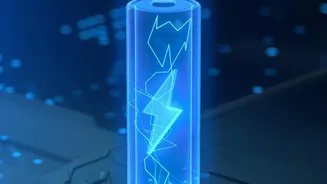
At the heart of every electric vehicle is its battery, which is typically a lithium-ion unit. These batteries have powered the EV revolution so far, but they have a crucial component: a liquid electrolyte. This flammable liquid is what allows energy to
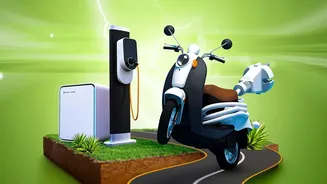
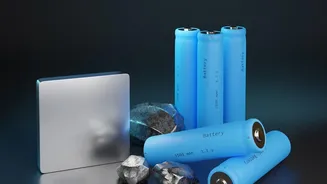
move around inside the battery, but it's also the source of many of its limitations. Solid-state batteries, as the name suggests, replace this liquid with a solid material, often a ceramic or polymer composite. This fundamental change in architecture unlocks a host of benefits that could be transformative for the EV industry. The solid electrolyte is not flammable, which immediately addresses the safety concerns that have occasionally surfaced with electric scooters in India, especially in the country's hot climate. Beyond safety, this design allows for a more compact and energy-dense battery, meaning more range from a smaller, lighter pack.
Solving the Safety and Range Puzzle
Recent incidents involving electric two-wheelers catching fire have made many potential buyers cautious. These events are often linked to 'thermal runaway' in conventional lithium-ion batteries, where damage or overheating can cause a dangerous chain reaction. Because solid-state batteries use a stable, solid electrolyte, the risk of fire is drastically reduced. They are far more stable in high temperatures, a critical advantage for the Indian market. Furthermore, this technology promises to tackle 'range anxiety'. By using a lithium metal anode, solid-state batteries can achieve a much higher energy density—potentially double that of their liquid-based counterparts. For an average rider, this could mean traveling significantly longer distances on a single charge, or manufacturers could use smaller, lighter batteries to achieve the same range, making the vehicle itself more efficient and agile.
The Path to a More Affordable EV
While solid-state batteries are currently more expensive to produce than their lithium-ion counterparts, the long-term outlook points towards significant cost reduction. One major reason is that the technology could eventually eliminate the need for expensive and ethically complicated materials like cobalt, which is a key component in many current lithium-ion batteries. As manufacturing processes are refined and scaled up, the cost of production is expected to fall dramatically. Experts project that cost parity with lithium-ion batteries could be reached by the early 2030s. For the price-sensitive Indian market, this is the ultimate prize. Lower battery costs will directly translate into more affordable electric scooters and motorcycles, making clean mobility accessible to a much broader segment of the population and accelerating India's transition away from fossil fuels.
India's Race to Innovate
The global race for solid-state supremacy is well underway, with major automakers and tech giants like Toyota and Samsung targeting mass production by 2027-2028. India is not standing on the sidelines. Several domestic companies are making significant investments in this next-generation technology. Ola Electric, a dominant player in the electric scooter market, has publicly stated its focus on developing solid-state batteries at its Gigafactory in Tamil Nadu as part of its vertical integration strategy. Established battery manufacturers like Amara Raja and Exide are also investing heavily in advanced cell chemistries, aligning with the government's 'Make in India' initiative and Production Linked Incentive (PLI) schemes designed to foster domestic manufacturing. This push is crucial for reducing India's reliance on imported battery cells and establishing energy security.
When Will We See These on the Road?
While the promise is immense, patience is key. The transition from laboratory prototypes to mass-market availability is fraught with challenges. Manufacturing solid-state batteries at scale is complex and requires entirely new production lines and supply chains. Global players are making progress, with some automakers testing vehicles powered by solid-state cells and suppliers announcing plans for mass production within the next few years. However, the first applications are likely to be in premium vehicles or specialized devices like drones, not mass-market two-wheelers. For the average Indian consumer, an electric scooter powered by a solid-state battery is likely still several years away. The technology needs to mature, and production costs must come down before it becomes a viable option for the affordable two-wheeler segment.