






More Than Just a Pretty View
The comfort provided by a rooftop garden extends far beyond aesthetics. In the hustle of urban Indian life, a green space at home serves as a vital mental retreat. Research consistently shows that exposure to greenery can significantly reduce stress,
anxiety, and depression. Having a personal green space encourages mindfulness and relaxation, offering a quiet corner to unwind after a long day. The simple act of caring for plants can be therapeutic, fostering a sense of purpose and a connection to the natural world that is often lost in city living. It becomes a space for personal well-being, where you can sip your morning tea or relax in the evening, enveloped by the tranquility of your own private oasis.
Beating the Urban Heat
One of the most practical comforts of a rooftop garden is its ability to combat the intense heat of Indian summers. Concrete and asphalt absorb and radiate heat, creating an 'urban heat island' effect that makes cities several degrees warmer. A layer of vegetation on the roof acts as natural insulation. Through shading and a process called evapotranspiration, plants can lower the surface temperature of a roof significantly, which in turn helps to keep the rooms below cooler. This natural cooling effect can reduce the reliance on air conditioning, leading to energy savings. Furthermore, plants act as natural air purifiers, trapping dust and pollutants and releasing fresh oxygen, improving the air quality around your home.
First Steps: Planning Your Oasis
Before you start buying plants, a little planning is essential. First, assess your rooftop's structural capacity. While most modern residential roofs can handle the load of container gardening, it's wise to be cautious. Consulting a structural engineer is recommended for large-scale setups. Waterproofing is another critical step to prevent leaks and damage to the building. Next, observe the sunlight patterns on your terrace throughout the day to understand which areas get full sun, partial shade, or are mostly shaded. This will determine the types of plants that will thrive. Finally, ensure you have easy access to a water source.
Choosing Your Green Companions
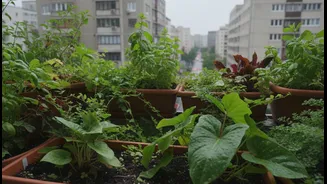
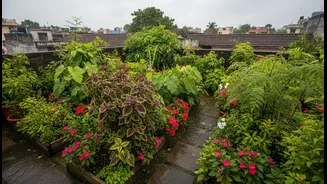
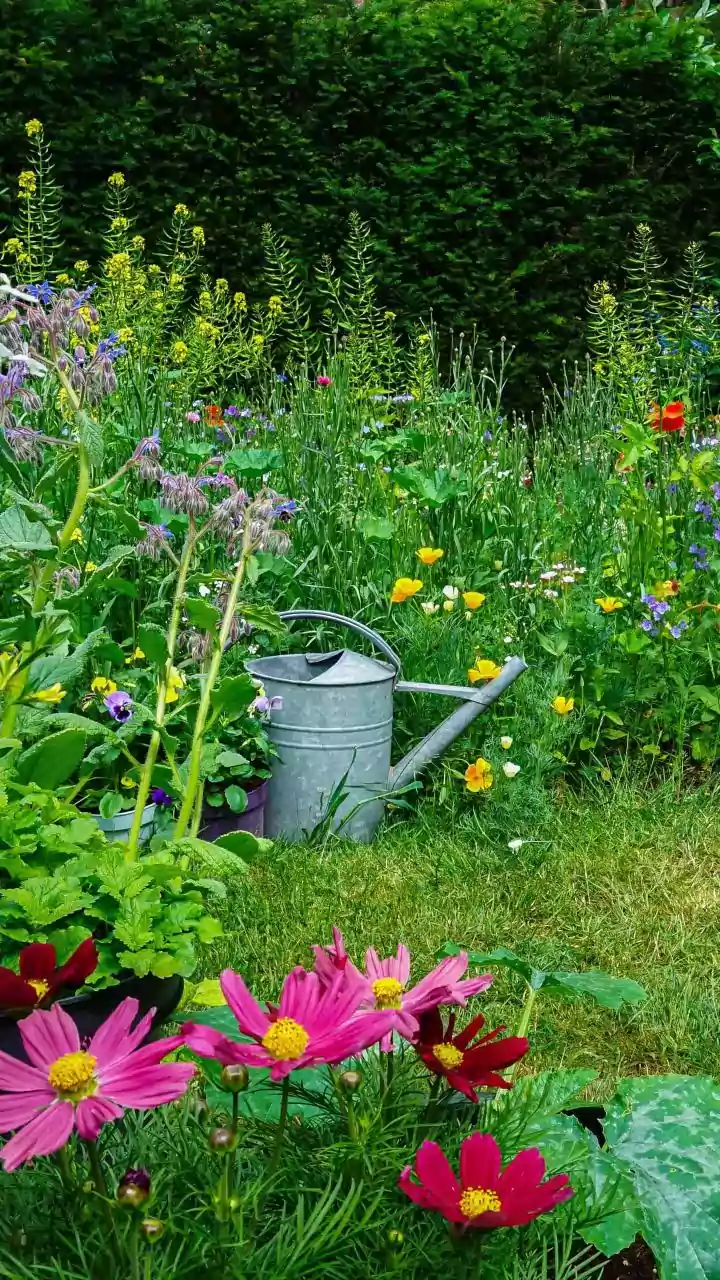
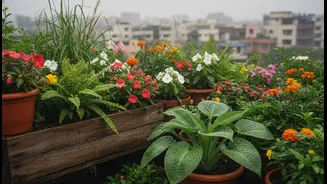
Selecting the right plants is key to a successful and low-maintenance rooftop garden in India. For sunny spots, heat-tolerant and drought-resistant plants are ideal. Bougainvillea, hibiscus, marigold, and portulaca (table rose) are excellent choices for vibrant, long-lasting flowers. If you're interested in growing your own food, tomatoes, chillies, brinjal, and various gourds do very well in containers. For areas with partial shade, herbs like tulsi, mint, and lemongrass are perfect. Climbing plants like the money plant can be trained on trellises to create vertical green walls, maximising your space. Always try to include native plant varieties, as they are best adapted to the local climate and require less care.
The Right Home for Your Plants
The choice of containers and soil is crucial for rooftop gardening. Opt for lightweight containers like fabric grow bags, recycled plastic pots, or fibreglass planters to reduce the overall weight on the roof. Avoid heavy concrete pots where possible. The soil mix should also be lightweight and well-draining. Never use plain garden soil, as it compacts easily in pots and can become waterlogged. A good mix typically consists of garden soil, cocopeat (for moisture retention), and compost or vermicompost (for nutrients). Adding sand or perlite can improve drainage further.
Nurturing Your Green Sanctuary
Maintaining a rooftop garden doesn't have to be a chore. The most important task is watering, especially during hot summers when plants may need to be watered daily. It's best to water in the early morning or late evening to minimise evaporation. For larger gardens, a drip irrigation system can be a water-efficient and time-saving investment. Regularly check your plants for pests and deal with them using organic solutions. Pruning overgrown branches encourages new growth and keeps plants healthy. With a little regular care, your garden will not only survive but flourish, adding a layer of comfort and joy to your urban life.