







More Than Just Waste: The Hidden Value in Mango Peels
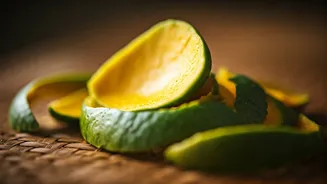
Before you dismiss mango peels as inedible, consider this: they are packed with nutrients. Studies show that mango skin contains a significant amount of dietary fibre, antioxidants like mangiferin and carotenoids, and vitamins. [1, 9] These compounds
can contribute to better digestion and overall health. [4, 23] Embracing the use of peels is not just a nod to traditional wisdom but also a fantastic step towards a zero-waste kitchen. By using the whole fruit, you reduce your household waste and get more value out of your produce. The slightly bitter and tart flavour of green mango peels, when prepared correctly, can also add a unique and complex dimension to your dishes that you won't get from the flesh alone. It's a culinary adventure that is both sustainable and delicious, perfect for the eco-conscious foodie.
The Essential First Step: Prepping Peels for Flavour
Proper preparation is key to turning tough, bitter peels into a delightful snack. First, ensure your peels are clean. If you are not using organic mangoes, it is crucial to wash them thoroughly to minimise any pesticide residue. [4, 12] A good method is to soak the mangoes in a bowl of water with a tablespoon of baking soda or a salt and turmeric solution for about 15 minutes, followed by a thorough rinse under running water. [4] Once cleaned, peel the mangoes. You can use a standard peeler, but try to keep the peels relatively thick, as this provides a better texture for snacks. For most recipes, you will then want to slice the peels into thin, uniform strips. This ensures they cook evenly, whether you are frying, baking, or pickling them. A quick blanch in boiling water for a few minutes can also help soften the peels and reduce some of their natural bitterness before you proceed with a recipe. [6]
Recipe Idea: Crispy Mango Peel Fry
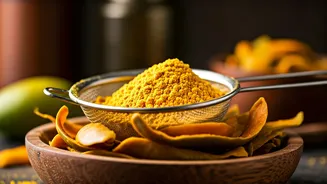
One of the easiest and most satisfying ways to use green mango peels is to turn them into crispy, spiced fries or chips. They make for a perfect tea-time snack on a rainy day. Start with the cleaned and thinly sliced peels from two to three green mangoes. Pat them completely dry with a cloth. In a bowl, toss the peels with one tablespoon of rice flour or cornflour, which will help make them extra crispy. Add your favourite spices – half a teaspoon of red chilli powder, a quarter teaspoon of turmeric powder, a pinch of asafoetida (hing), and salt to taste. Mix everything well until the peels are evenly coated. You can either deep-fry these in hot oil until golden brown and crisp, or for a healthier option, bake them. To bake, toss the seasoned peels with a teaspoon of oil, spread them in a single layer on a baking sheet, and bake at 180°C for 10-15 minutes, flipping halfway through, until they are crispy. [3]
Recipe Idea: Instant Tangy Peel Pickle
A small batch of instant pickle made from green mango peels is a fantastic way to capture the taste of the monsoon. It’s a quick condiment that pairs beautifully with dal-rice or parathas. For this, you will need the peels of about two green mangoes, cut into small, bite-sized pieces. Sun-dry the peels for an hour or two to remove excess moisture if you have the time. [1, 2] In a pan, heat two tablespoons of mustard oil until it’s lightly smoking, then let it cool slightly. In a bowl, combine the mango peels with half a teaspoon of red chilli powder, a quarter teaspoon of turmeric powder, half a teaspoon of roasted mustard seed powder (rai kuria), and salt. Pour the warm mustard oil over the spices and peels and mix everything thoroughly. Your instant peel pickle is ready. For the best flavour, let it sit for a few hours before serving. It can be stored in the refrigerator for up to a week.
Other Creative Ways to Use Mango Peels
The culinary uses for mango peels don't end there. You can explore a variety of other preparations. A popular option is a zesty chutney, made by blending the peels with fresh coriander, mint, green chillies, garlic, and a squeeze of lime until you have a smooth paste. [1, 14] You can then temper this chutney with mustard seeds and curry leaves for an authentic finish. Another idea is to make candied peels. This involves blanching the peel strips to remove bitterness, then simmering them in a simple sugar syrup until they become translucent. [6] Once dried, these sweet and tangy treats can be eaten as they are or used to garnish desserts. For those who enjoy homemade snacks, you can even blend the peels into a puree and dehydrate them in the oven at a low temperature to create your own fruit leather or 'aam papad'. [19]