

Your Backpack: The First Line of Defence
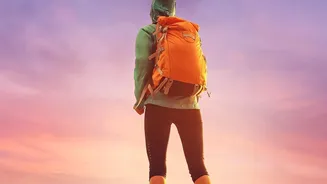
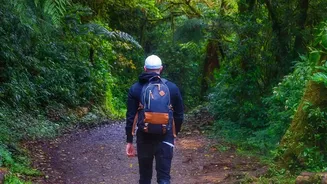
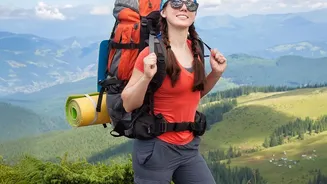
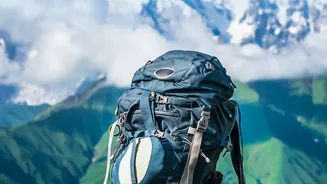
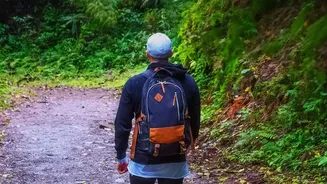
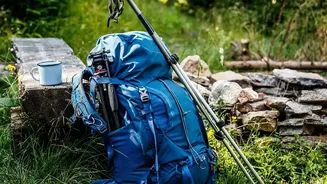
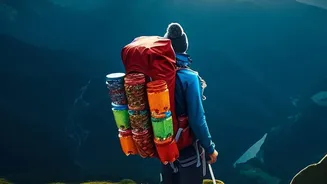
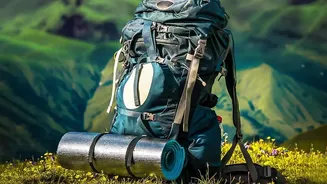
Your entire kit is worthless if it gets soaked on the trail. Start with a reliable backpack of 30-50 litres, which is ample for a day or weekend trek. The most crucial feature is waterproofing. Ensure your pack comes with a dedicated rain cover that fits
snugly. For an extra layer of protection, line the inside of your backpack with a large, durable plastic bag. Then, organize your belongings into smaller dry bags or even simple ziplock pouches. This compartmentalizes your gear, keeping dry clothes separate from wet ones and protecting your electronics and food.
Clothing: Think Quick-Dry, Not Cotton
The golden rule of monsoon trekking is to avoid cotton. Cotton absorbs moisture, gets heavy, and takes a very long time to dry, which can lead to chafing and make you feel cold. Instead, opt for synthetic materials like polyester or nylon. Pack two quick-dry t-shirts (full sleeves offer more protection from insects and scratches) and one pair of comfortable, quick-dry trekking pants. Convertible pants that can be zipped off into shorts are a versatile option. Never wear jeans or heavy trousers. A lightweight, breathable, and waterproof rain jacket or a poncho is non-negotiable. A poncho has the added benefit of being able to cover both you and your backpack.
Footwear: Grip Over Everything
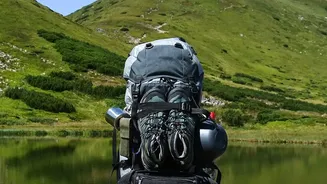
Monsoon trails are notoriously slippery, muddy, and full of loose rocks. Your choice of footwear is your most important safety decision. Invest in a pair of waterproof trekking shoes with deep grooves and a high-traction rubber outsole for a firm grip. Good ankle support is also crucial to prevent sprains on uneven terrain. Just as important as the shoes are your socks. Pack at least two to three pairs of synthetic or wool-blend socks. They wick moisture away from your skin, helping to prevent blisters. Again, no cotton socks. You might also consider waterproof gaiters, which cover the gap between your pants and boots to keep water and debris out.
Safety and First-Aid Essentials
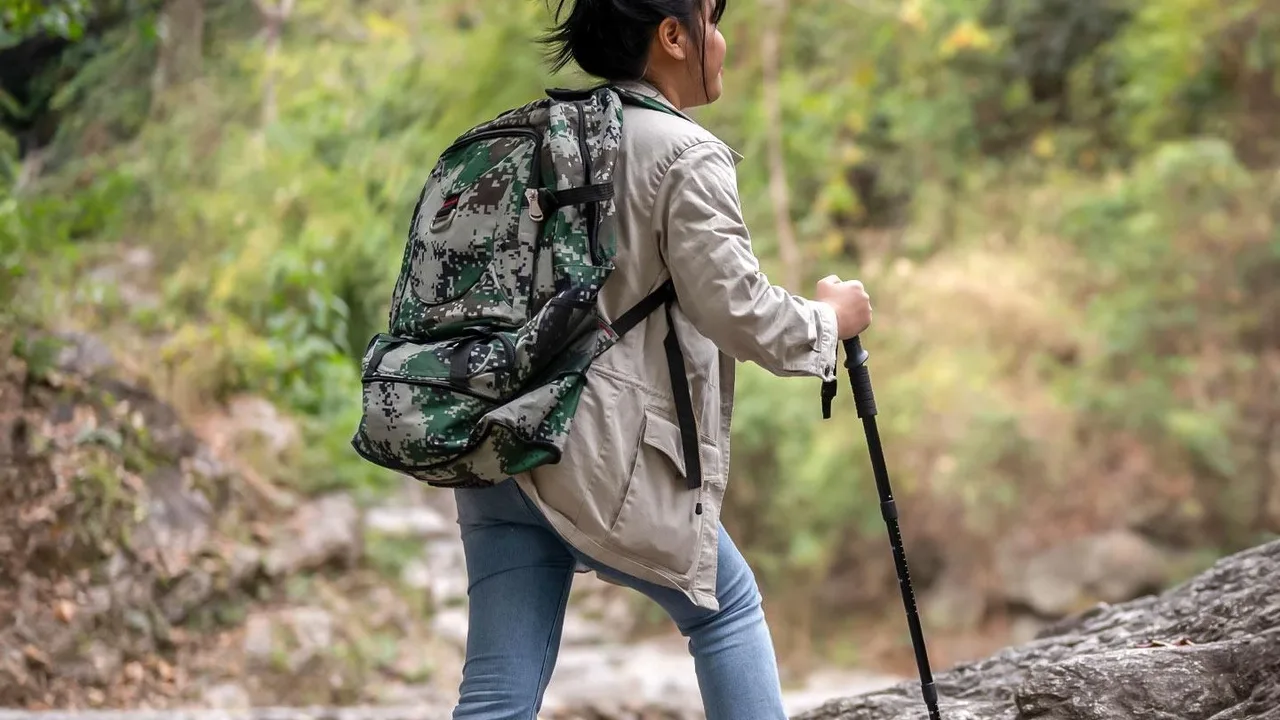
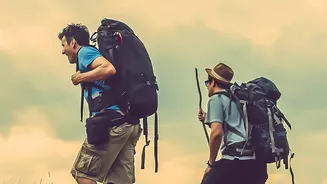
A well-stocked first-aid kit is a must-have. Along with standard items like bandages, antiseptic wipes, and pain relievers, your monsoon kit should include a few extras. Pack salt or a sanitizer to deal with leeches, a common nuisance on wet trails. Also include insect repellent and any personal medications you need. A trekking pole is highly recommended for first-timers; it provides an extra point of contact with the ground, significantly improving your stability on slippery descents and ascents. Finally, carry a headlamp or a small torch with extra batteries. Weather can change quickly, and you don't want to be caught in fading light without a reliable light source.
Hydration and Energy Snacks
Trekking in high humidity can be draining, so staying hydrated and fuelled is key. Carry at least two litres of water. To be safe, bring water purification tablets or a portable water filter in case you need to refill from natural sources like streams. Pack high-energy, easy-to-carry snacks that won’t get spoiled by moisture. Good options include nuts, dried fruits, energy bars, and local favourites like chikki. These provide a quick burst of energy when you need it most on the trail.