






The Joyful Full-Body Workout
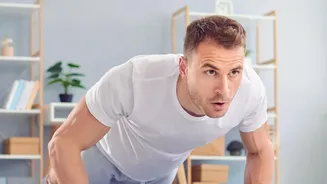
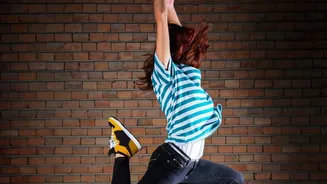
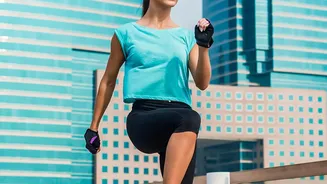
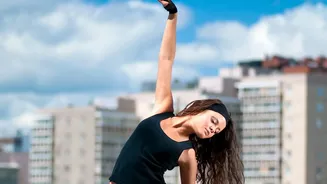
Freestyle dance is more than just unstructured movement; it's a comprehensive fitness routine disguised as play. When you dance, you engage multiple muscle groups at once—your legs, core, back, and arms are all part of the action. This full-body engagement
provides both a cardiovascular and a strength-training workout. The constant motion elevates your heart rate, which is excellent for cardiovascular health, helping to lower blood pressure and improve circulation. A 30-minute session can burn a similar amount of calories as jogging, but many find it far more enjoyable. Beyond the physical, dancing is a powerful stress reliever. Moving freely to music can lower stress hormones and release endorphins, the body's natural mood-boosters, leaving you feeling happier and more relaxed.
Setting Your Stage for Success
One of the greatest advantages of a freestyle dance workout is its accessibility; you don't need a studio or fancy gear. To begin, find a space in your home where you have enough room to move forward, backward, and side-to-side without bumping into furniture. A clear floor area of about two by two metres is ideal. Remove any potential hazards like rugs or cords. You can dance barefoot or wear supportive shoes, depending on your flooring and comfort. Next, create a playlist. Music is your primary motivator, so choose songs that make you want to move. A mix of tempos can help you structure your workout with warm-up, high-energy, and cool-down phases. Don’t worry about having the 'right' moves; the goal of freestyle is self-expression and movement, not perfect choreography.
Structuring Your Freestyle Session
While 'freestyle' implies spontaneity, a simple structure ensures you get a safe and effective workout. Aim for a session of at least 20 to 30 minutes. Start with a five-minute warm-up. Begin with slower music and gentle movements like marching in place, shoulder rolls, hip circles, and side steps to gradually increase your heart rate and warm up your muscles. For the main workout, which should last 15-20 minutes, increase the intensity. Put on your favourite high-energy tracks and let loose. Focus on continuous movement. Finally, dedicate the last five minutes to a cool-down. Choose a slow, calming song and incorporate gentle stretches. Focus on your calves, hips, and shoulders to improve flexibility and help your body recover.
Finding Your Groove: Move Inspiration
Feeling unsure of how to move? Don't overthink it. Start with simple, foundational movements. The 'touch step,' where you simply step to one side and touch the other foot next to it, is a great starting point that can be easily modified. You can add arm movements, change direction, or incorporate a small bounce. Other beginner-friendly moves include the box step, hip rolls, and simple body waves. For inspiration, you can look up basic hip-hop or club dance tutorials online, which often feature moves like the 'Billy Bounce' or side-to-side 'booty pops'. The key is to find a few simple steps you enjoy and repeat them, combine them, and make them your own. Remember, there are no mistakes in freestyle—only creative exploration.
Turning Dance into a Lasting Habit
The best workout is one you stick with, and the fun factor of dancing makes it easier to form a consistent habit. Start small by committing to just one or two sessions per week. Even 15-minute workouts are beneficial when you're starting out. As you get more comfortable and your stamina improves, you can gradually increase the duration or frequency of your dance sessions. To stay motivated, keep your playlists fresh and explore new music genres. Since dancing is a form of cardio, you can supplement it with strength training a couple of times a week for a well-rounded fitness routine. Most importantly, focus on how dancing makes you feel. By embracing it as a joyful activity rather than a chore, you'll be more likely to make it a long-term part of your healthy lifestyle.