




The Two Pillars of a Wildlife Garden
Many people assume that any flowering plant will help support local wildlife like bees and butterflies. While flowers are important, they are only one half of the equation. A truly effective wildlife garden provides for the entire life cycle of these
creatures, which requires two distinct types of plants: host plants and nectar plants. Think of it as providing both a nursery and a restaurant. Nectar plants are the restaurant, offering energy-rich food for adult insects. Host plants are the nursery, providing the specific food and shelter that larvae, such as caterpillars, need to grow and metamorphose. Without both, you may attract passing visitors, but you won't be building a sustainable habitat where wildlife can complete its life cycle.
The Nursery: What Are Host Plants?
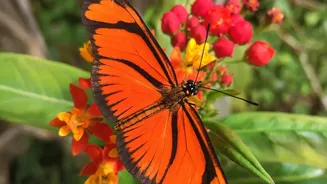
Host plants are where the magic begins. They are the specific plants on which butterflies and moths lay their eggs. Once the eggs hatch, the emerging caterpillars feed exclusively on the leaves of that host plant. Many butterfly species are specialists, meaning their caterpillars can only digest the leaves of one or a few specific plant species. For instance, the beautiful Lime Butterfly, common in many Indian cities, will only lay its eggs on the leaves of citrus or curry leaf plants. Similarly, Monarch butterflies are famously dependent on milkweed. By planting host plants, you are directly enabling the next generation of butterflies. Don't be alarmed if you see chewed leaves; it's a sign your garden is successfully serving its purpose as a nursery.
The Restaurant: Understanding Nectar Flowers
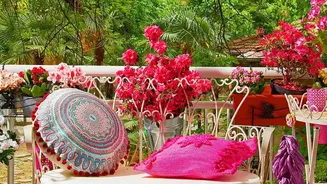
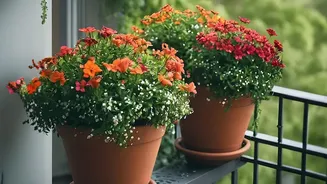
If host plants are the nursery, nectar flowers are the all-you-can-eat buffet for adult insects. These plants produce the sugary liquid that provides essential energy for butterflies, bees, and other pollinators. Unlike the highly specific needs of caterpillars, adult butterflies are often generalists and will feed from a wide variety of flowers. They are particularly drawn to brightly coloured, clustered flowers like Lantana, Ixora, and Pentas. Plants like Marigold, Sunflower, and Hibiscus are also excellent sources of nectar that are easy to grow in Indian urban settings like balconies and terraces. A garden full of diverse nectar flowers ensures a continuous food supply throughout the seasons, keeping adult pollinators energised and active.
Creating a Complete Ecosystem
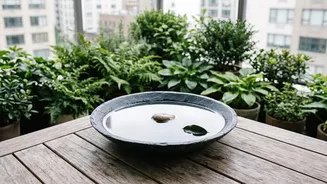
The key to a successful urban wildlife garden is balance. Simply planting nectar flowers will attract adult butterflies for a short visit, but they will soon leave to find a suitable place to lay their eggs. Conversely, planting only host plants may support caterpillars, but you'll miss the beauty of watching adult butterflies feed. To create a self-sustaining ecosystem, you need to plant a mix of both. It's also wise to avoid chemical pesticides and fertilisers, as these can be incredibly harmful to insects at all stages of life. Opt for native plant varieties whenever possible, as they are naturally adapted to the local climate and wildlife. Even small actions, like letting leaf litter remain on the soil or providing a shallow dish of water with sand for 'mud-puddling', can make a huge difference.
Easy Plants for Your Indian Urban Garden
Starting your own wildlife garden doesn't have to be complicated or expensive. Even a few pots on a windowsill can make a difference. Here are a few easy-to-find plants that can help you build a complete habitat: Host Plants: Curry Leaf Plant (Kadi Patta): Attracts the Common Mormon and Lime Butterfly. Milkweed (Asclepias): Essential for Plain Tiger and Common Crow butterflies. Passion Flower (Passiflora): The host for the Gulf Fritillary butterfly. Nectar Flowers: Hibiscus: Its large, nectar-rich blooms are a favourite for both butterflies and sunbirds. Lantana: These colourful, clustered flowers are a powerful butterfly magnet. Marigold (Genda): A hardy and popular flower that provides abundant nectar for bees and butterflies. * Ixora (Rugmini): Its dense flower clusters offer a rich food source for many butterfly species.