
First, A Post-Monsoon Garden Reset
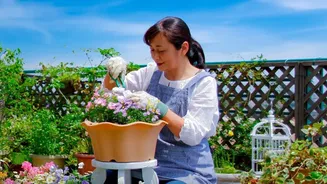
Before you introduce new plants, it’s crucial to address the aftermath of the heavy rains. Monsoon weather, while great for growth, can also lead to waterlogged soil, fungal issues, and pests. Start by gently loosening the topsoil in your existing pots
to improve aeration. Prune any yellowed or dead leaves and stems to encourage new, healthy growth. Check that the drainage holes of your pots are clear and not clogged with soil or roots. This is also a good time to clear out any weeds that may have sprouted. Adding a fresh layer of compost or vermicompost will replenish the nutrients that were washed away by the rain, giving your new and old plants the energy they need to thrive.
Marigold (Genda): The Festive Favourite
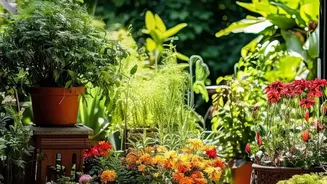
No Indian winter garden is complete without the cheerful burst of marigolds. October is the ideal time to sow these seeds for a continuous bloom through the festive season and beyond. Marigolds are famously low-maintenance and are well-suited for pots on a sunny balcony. They thrive in full sun and well-draining soil. One of their biggest advantages is their natural ability to repel pests, which makes them a great companion plant for your other greens. Water them when the top inch of soil feels dry, but be careful not to overwater as the weather cools. They are resilient and will reward you with a profusion of orange and yellow flowers with minimal fuss.
Chrysanthemum (Guldaudi): The Queen of Winter
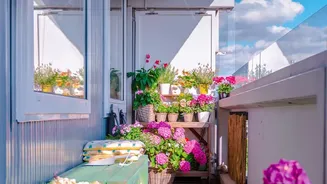
Chrysanthemums are a classic choice for adding elegance and a riot of colour to your post-monsoon balcony. Available in shades of white, yellow, pink, red, and purple, they are synonymous with the onset of the winter season in India. You can buy saplings from a local nursery in October for faster results. These plants prefer a spot with several hours of direct sunlight. Proper air circulation is key to preventing mildew, a common issue in the residual humidity after the monsoon. Keep the soil consistently moist but not waterlogged. With their dense, multi-petaled blooms, chrysanthemums make a stunning display in both individual pots and mixed arrangements.
Petunia: The Cascading Beauty
If you have hanging baskets or railing planters, petunias are an excellent choice. Known for producing dozens of flowers per plant, they create a beautiful cascading effect. October's moderate climate is perfect for planting petunias, as they dislike extreme heat. They come in an incredible variety of colours and patterns, from solid hues to starry bicolours. Petunias need at least five to six hours of sunlight to produce an abundance of flowers. Feed them a liquid fertilizer every few weeks to support their prolific blooming. Their delicate fragrance is often more noticeable in the evenings, adding another sensory layer to your balcony garden.
Calendula (Pot Marigold): The Hardy Healer
Often confused with the common marigold, Calendula is another easy-to-grow flower that shines in the cooler months. It's known for its bright yellow and orange daisy-like flowers and is one of the most reliable winter bloomers. Calendula is quite hardy and can tolerate a bit of neglect, making it perfect for beginner gardeners. It thrives in full sun and average soil. Beyond its beauty, Calendula petals are edible and have been used in traditional medicine for their healing properties. Sowing seeds in October will ensure you have a steady supply of sunny flowers throughout the winter.
Herbs: Coriander and Fenugreek
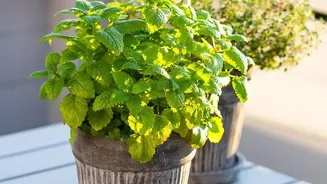
October is the prime season for starting a kitchen herb garden on your balcony. Fresh coriander (Dhania) and fenugreek (Methi) are essential in Indian cooking, and growing them is incredibly rewarding. Both grow quickly from seeds and can be harvested in just a few weeks. Use wide, shallow pots or trays with good drainage. Sow the seeds, cover them with a thin layer of soil, and keep them moist until they germinate. These herbs prefer a spot with morning sun and some afternoon shade. Having a fresh supply of these greens on hand will elevate your winter meals instantly.