




The Enduring Legacy of Chai and Samosa
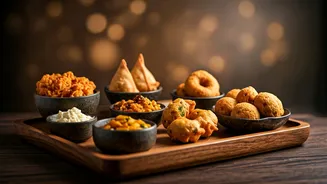
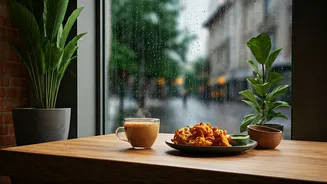
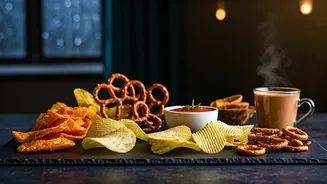
Snacking in India has always been more than just satisfying hunger between meals; it is a cherished cultural ritual. For decades, the evening 'chai-nasta' has been an integral part of daily life, a moment to pause, socialise, and refuel. This tradition
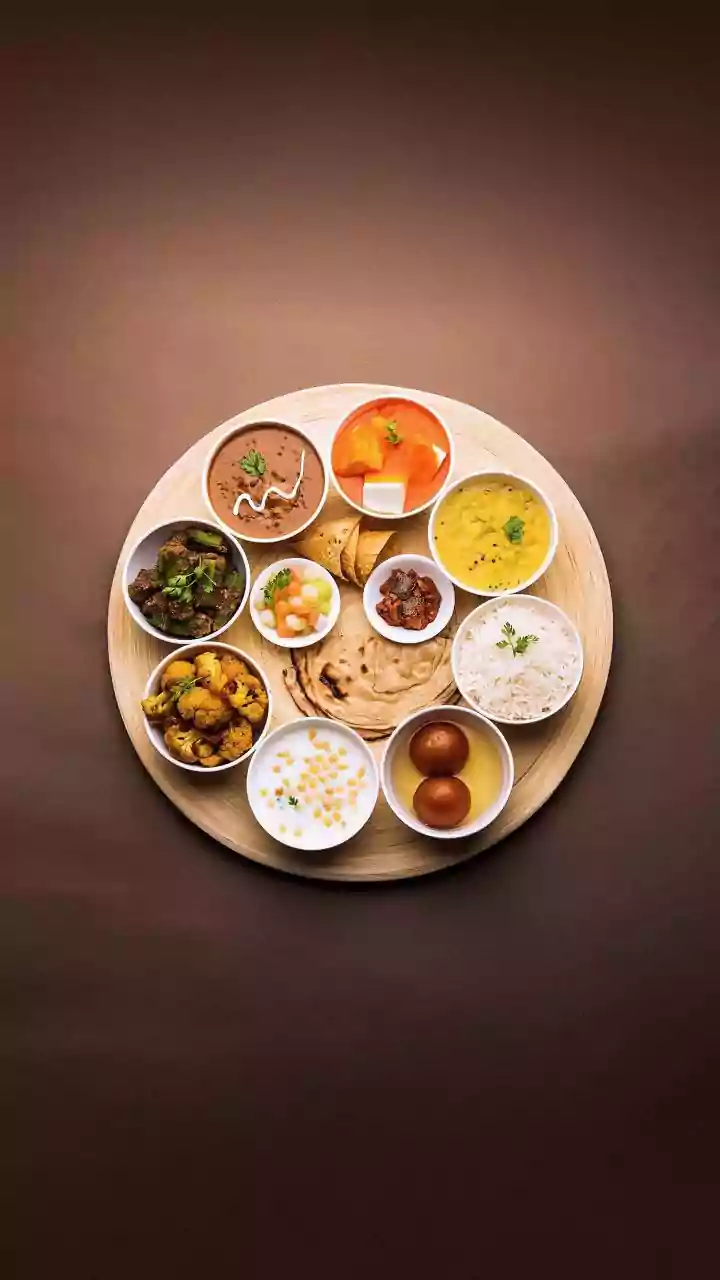
is deeply rooted in regional culinary history, from the vada pav of Mumbai to the various chaats found on every street corner. These snacks, often fried and packed with flavour, became indispensable companions to tea breaks and social gatherings, creating a shared language of hospitality and comfort. Their enduring appeal lies in their simplicity, accessibility, and the nostalgic memories they evoke, making them a foundational part of India's food identity.
The Global Palate Arrives
The contemporary Indian café is a playground for global flavours, creatively blended with local tastes. Menus now feature dishes that were once considered exotic, like avocado toast, but with a distinctively Indian twist, such as a topping of Maharashtrian thecha. Fusion is the name of the game, with chefs boldly combining international formats with Indian spices. This has given rise to innovative creations like tandoori chicken pizza, masala mac and cheese, and even naan tacos. These dishes cater to an evolving palate, one that is curious, well-travelled, and eager for new experiences that still feel comfortingly familiar. The result is a menu that speaks a global language with a proud Indian accent.
Health Becomes the Main Ingredient
As lifestyles change, a growing consciousness around health and wellness is reshaping what Indians want from a snack. Cafés are responding to this demand by offering a plethora of healthier alternatives that don't compromise on taste. Traditional fried snacks are being reimagined—think baked or air-fried samosas. There is a strong emphasis on incorporating nutritious ingredients like millets, quinoa, and plant-based proteins. Menus at wellness-focused cafés feature everything from gluten-free pastas and dairy-free desserts to Buddha bowls packed with fresh vegetables and superfoods. This shift marks a move away from snacking as a guilty indulgence towards a more mindful and nourishing practice.
Beyond the Plate
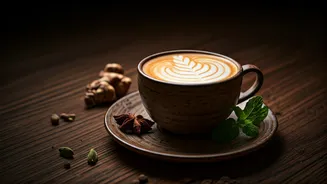
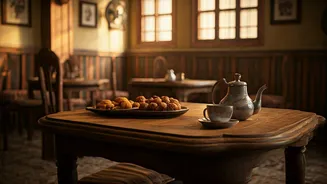
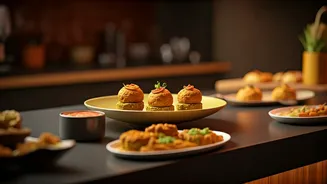
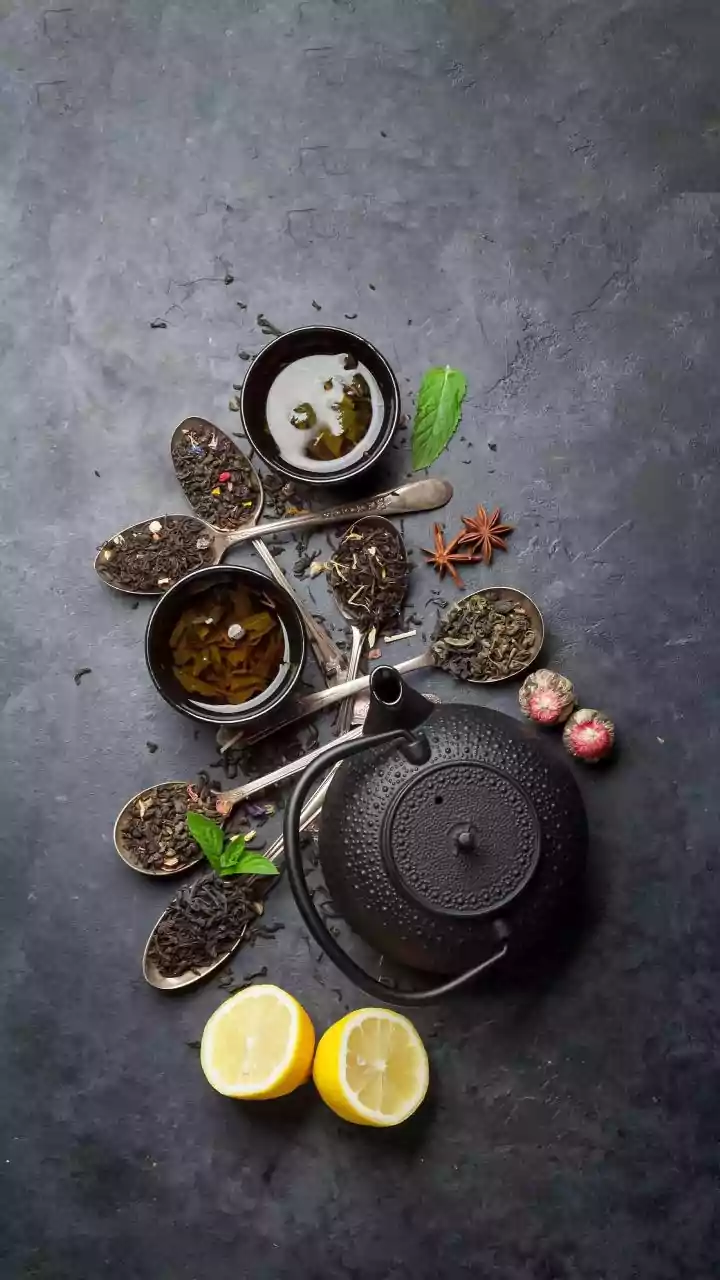
The redefinition of snack time isn't just about the food itself; it's about the entire experience. Today's cafés are designed as 'third places'—comfortable, aesthetically pleasing spaces where people can work, socialise, or simply relax. The focus has expanded from just serving a quick bite to offering a holistic experience. This includes a serious coffee or tea programme, often featuring artisanal roasts and specialty brews. Many cafés now have a retail corner, stocking locally sourced products or eco-friendly goods. The ambiance, the service, and the community-oriented vibe are all part of the new package, turning a simple snack break into a destination experience.