




The New System: ETA vs. Digital Visa
First, let's clear up the confusion. The UK has introduced an Electronic Travel Authorisation (ETA), a new pre-travel clearance requirement. However, it's crucial for Indian travellers to know that the ETA scheme is for citizens of countries who can visit
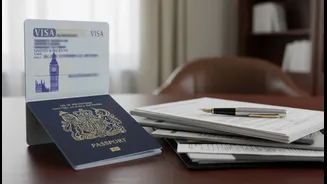
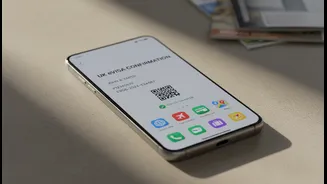
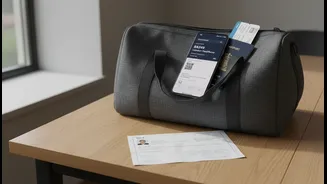
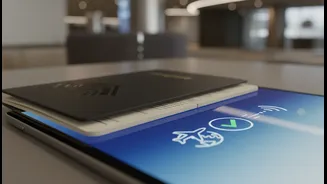
the UK without a visa for short trips, such as nationals of the US and EU countries. India is a 'visa national' country, which means the ETA system does not apply to Indian passport holders travelling from India. Instead, the significant change for Indians is the UK's switch to a fully digital visa system. As of early 2026, the familiar visa sticker in your passport is being replaced by a digital record, often called an 'eVisa'.
What Has Actually Changed for Indians?
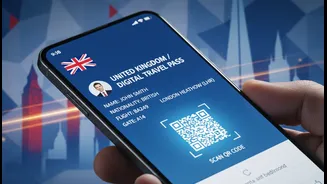
The core requirement remains the same: Indian citizens must still apply for a Standard Visitor Visa for tourism, business, or family visits. What has changed is the output of a successful application. Instead of a physical vignette (sticker) being placed in your passport, your permission to travel is now recorded electronically and linked digitally to your passport number. This eVisa is mandatory, and airlines will verify it through their systems before you are allowed to board your flight. The move aims to create a more secure and streamlined border process, but it places the responsibility on the traveller to ensure their digital information is accurate.
The Visa Application Process Remains
Despite the move to a digital format, the process of applying for a UK visa from India is largely unchanged. You will still need to fill out the application form on the official UK government website, pay the required fee, and attend an appointment at a visa application centre to provide your biometric information (fingerprints and a photograph). The standard visitor visa for a trip up to six months costs approximately £127. While the process of applying for the visa is familiar, you will no longer have to leave your passport at the application centre for a sticker to be inserted.
Why You Cannot Ignore This Digital Shift
The headline's warning to 'not ignore' your eVisa is critical in this new context. Since your permission to enter the UK is a digital record, absolute accuracy is paramount. Your airline will check your status electronically before you even get to the check-in desk. If the passport you present does not exactly match the passport linked to your digital visa, you could be denied boarding. This is especially important for travellers who renew their passports. If you get a new passport after your eVisa has been granted, you must update your details through your online UK Visas and Immigration (UKVI) account before you travel. Failure to do so will likely lead to significant travel disruption.
Key Takeaways for Your UK Travel
To ensure a smooth journey to the UK, Indian travellers should keep these points in mind. First, remember you need a Standard Visitor Visa, not an ETA. Second, your approved visa is now a digital record linked to your passport, not a physical sticker. Third, always travel with the specific passport that is linked to your UK eVisa. Finally, if you renew your passport, your first step should be to update your details with UKVI online before you book any new travel. Applying for your visa well in advance and double-checking that all your digital details are correct will help you avoid any last-minute problems.