






More Than a Pace, It’s a Mindset
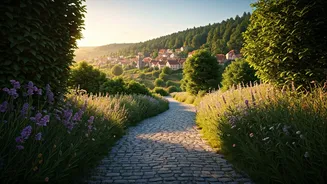
Slow travel is about consciously choosing to connect deeply with a place instead of racing through a checklist of attractions. Born from the 'slow food' movement in Italy, which championed local culinary traditions over fast food, this philosophy applies
the same principles to exploring the world. It’s about quality over quantity. Instead of cramming five cities into a week, a slow traveller might stay in one town or region, aiming not to see everything, but to truly experience one place — its culture, its people, and its rhythm. It requires intentionally rejecting the 'fear of missing out' that drives so much of modern tourism and instead embracing a more mindful, immersive approach.
Connection Over Checklists
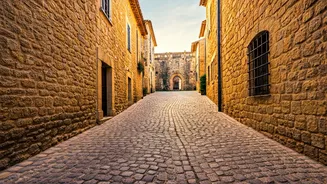
The goal of much modern tourism is volume: see more, do more, post more. Slow travel flips the script, focusing on depth. Staying longer in one place allows you to move beyond the curated tourist experience and find a more authentic connection. You build relationships, understand local customs, and become a temporary part of the community. This could mean finding a favourite local bakery, learning a few phrases in the language, or simply spending an afternoon people-watching in a park without an agenda. These are the memories that last long after the photo of a crowded landmark has been forgotten.
The Joy of a Quieter Mind
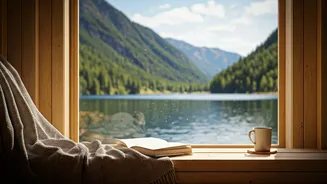
The constant pressure to optimise a trip—navigating new places, making endless decisions, and sticking to a tight schedule—can be mentally exhausting. Fast-paced travel keeps the nervous system in a state of high alert, raising stress levels. Slow travel acts as a remedy. By reducing the number of transitions and building simple routines, it allows the brain to relax and recover. This more relaxed pace creates space for spontaneity and reflection, reducing anxiety and allowing you to return home feeling genuinely rested and restored.
A Kinder, More Sustainable Way to Explore
Beyond personal benefits, slow travel is also a more responsible way to see the world. By staying longer in one destination, travellers reduce their carbon footprint from frequent flights and other transportation. The philosophy encourages using slower, more eco-friendly transport like trains, buses, or bicycles, which also offer a better sense of the landscape. Furthermore, slow travellers are more likely to support small, local businesses—family-run guesthouses, local markets, and independent shops—ensuring that tourism revenue benefits the community directly.
How to Embrace the Slow Lane
Adopting a slow travel mindset doesn't necessarily require a month-long sabbatical. Even on a short trip, the principles can apply. Start by choosing to explore one city or region thoroughly rather than country-hopping. Leave room in your itinerary for unplanned discoveries; some of the best moments happen when you wander without a map. Use public transport, walk, or cycle to get a feel for a place at ground level. Prioritise experiences over sights; take a cooking class, visit a local market, or strike up a conversation with a shopkeeper. By focusing on being present rather than being busy, you transform your trip from a frantic tour into a rich, rewarding journey.