





Plan Your Meals, Master Your Budget
The single most effective way to combat rising food costs is to plan your meals. Before you even think about heading to the market, spend 20 minutes each Sunday planning your family's meals for the week. List what you'll have for breakfast, lunch, and
dinner. This simple act turns your grocery shopping from an impulsive activity into a targeted mission. Create a shopping list based strictly on your meal plan and stick to it. This prevents you from buying items you 'might use' which often end up wilting in the fridge, contributing to the estimated 40-50 kg of food an average Indian household wastes per person annually. By planning, you buy only what you need, slashing waste and saving money.
Shop Smarter, Not Harder
Where you shop matters just as much as what you buy. While convenient, supermarkets and quick-commerce apps often have higher prices due to packaging, branding, and logistics costs. For fresher produce at lower prices, try to buy from local mandis or weekly markets (haats). Pay close attention to seasonality. Buying vegetables like bottle gourd and cluster beans during the monsoon, or tomatoes when they are in season, can dramatically lower your costs. Also, consider your buying frequency. Instead of a large weekly purchase of perishables, buying smaller quantities more often—like 250g of tomatoes twice a week instead of 1kg once—can reduce spoilage. For non-perishable staples like dal, rice, and atta, buying in bulk from wholesale markets can offer significant savings per kilogram.
Embrace the Entire Vegetable
Our ancestors practiced 'zero-waste' cooking out of necessity; we can adopt it for financial and environmental wisdom. Many parts of vegetables that we are conditioned to throw away are perfectly edible and nutritious. For instance, the stems of cauliflower and coriander can be used in sabzis, dals, or chutneys. Vegetable peels from produce like carrots and sponge gourd can be used to make flavourful broths or even a separate dish. This 'root-to-leaf' approach not only stretches your ingredients further but also adds new textures and nutrients to your meals. Before you discard any part of a vegetable, a quick search online can reveal creative ways to incorporate it into your cooking.
Rethink Your Protein Sources
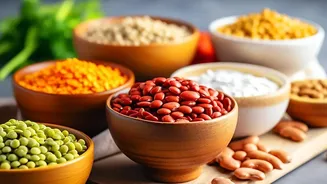
If the prices of your favourite dals like tur or moong are high, it's a good time to explore other affordable protein powerhouses. Lentils, chickpeas (chana), and kidney beans (rajma) are excellent, cost-effective alternatives. Don't overlook eggs, which are one of the most affordable and nutrient-dense protein sources available. A single large egg provides about 6 grams of protein along with essential vitamins. Other options include peanuts, which offer a substantial protein boost whether eaten roasted or as peanut butter, and Greek yogurt (hung curd). Varying your protein sources ensures you get a complete range of amino acids while keeping your grocery bill in check.
Master the Art of Storage
Proper storage is key to making your purchases last longer and reducing waste. Implement the 'First In, First Out' (FIFO) method in your kitchen: place newly bought items at the back of your fridge and pantry, and move older items to the front so they get used first. Store leafy greens in cloth bags or wrapped in paper towels to maintain freshness. Onions and potatoes should be kept in a cool, dark, and dry place, separate from other fruits and vegetables. Use airtight containers for grains, pulses, and spices to protect them from moisture and pests, extending their shelf life. For leftovers, freeze them immediately in portion-sized containers for a quick meal on another day.