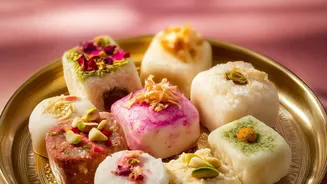


Pootharekulu from Andhra Pradesh
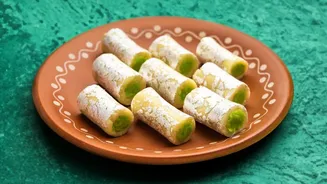
Imagine a sweet that’s as delicate as paper and melts in your mouth. That’s Pootharekulu for you. Hailing from Atreyapuram village in Andhra Pradesh, this unique sweet is often called 'paper sweet'. It’s made from a wafer-thin rice starch layer that resembles
paper, which is then filled with a delightful mixture of powdered sugar or jaggery, ghee, and finely chopped nuts. The name literally translates to 'coated sheet' in Telugu. Its creation is a cottage industry and a testament to generations of skill, with some accounts tracing its history back several centuries. Its light, crisp texture and rich filling make it a sophisticated and memorable addition to any festive thali. This sweet even holds a Geographical Indication (GI) tag, marking its unique origin and preparation method.
Chhena Poda from Odisha
Often called India's answer to cheesecake, Chhena Poda is a quintessential sweet from Odisha that means 'burnt cheese' in Odia. It’s said to have been invented accidentally in the 20th century by a confectioner named Sudarshan Sahu, who left sweetened, leftover chhena (fresh cottage cheese) in a warm oven overnight. The next morning, he discovered a beautifully baked cake with a caramelized, golden-brown crust and a soft, moist interior. The dessert is made by kneading fresh chhena with sugar, semolina, and cardamom, then baking it for several hours. The slow baking process caramelizes the sugar, giving the sweet its signature dark crust and slightly smoky flavour. It's a beloved offering in temples and a staple during festivals like Rath Yatra.
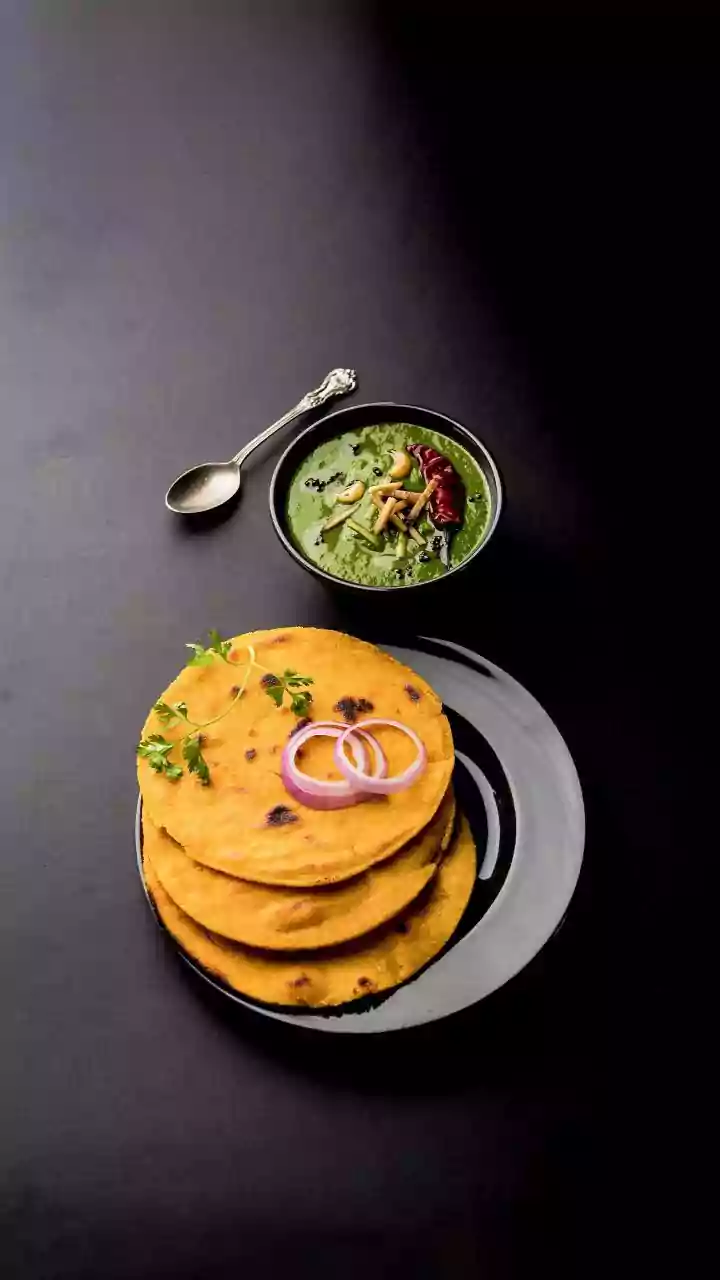
Thekua from Bihar and Jharkhand
A rustic and hearty sweet, Thekua is a deep-fried biscuit or cookie made from whole wheat flour, jaggery (or sugar), and ghee. It's often flavoured with aromatic spices like fennel and cardamom and may include grated coconut. Known for its crispy texture and long shelf life, Thekua is a cornerstone of the Chhath Puja festival, where it's offered as prasad to the Sun God. The process of making it is often a community affair, bringing families together. Its delightful crunch and earthy sweetness from the jaggery make it a perfect snack to share with loved ones. It’s a taste of tradition that feels both ancient and comforting.
Patoleo from Goa
Patoleo is a unique Goan delicacy that beautifully marries fragrance with flavour. It's a sweet rice cake steamed in fresh turmeric leaves. The preparation involves spreading a paste of rice flour on a turmeric leaf, filling it with a mixture of freshly grated coconut and Goan palm jaggery, and then folding the leaf to steam the contents. As it steams, the leaf imparts its distinct, subtle aroma to the sweet rice cake within. This dessert is traditionally prepared during the monsoons, especially for the Feast of the Assumption on August 15 and festivals like Nag Panchami. Unwrapping a warm Patoleo is an experience in itself, releasing a cloud of aromatic steam before you get to the soft, sweet filling.
Mysore Pak from Karnataka
While famous, the authentic, melt-in-your-mouth version of Mysore Pak is an experience unlike any other. This iconic sweet was born in the royal kitchens of the Mysore Palace during the reign of Krishnaraja Wadiyar IV. A royal cook named Kakasura Madappa is credited with its invention, having created a rich confection from a simple mix of gram flour (besan), generous amounts of ghee, and sugar. The name 'Pak' in Kannada refers to a sweet concoction. Unlike the harder, cake-like versions often found, traditional Mysore Pak has a soft, fudgy texture that dissolves instantly on the tongue. It's a royal treat that truly lives up to its heritage.
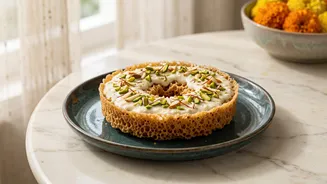
Sel Roti from Sikkim
Borrowing from its Nepali cultural influences, Sikkim offers Sel Roti, a mildly sweet, ring-shaped bread made from rice flour. It's not quite a doughnut and not exactly a pretzel, but something wonderfully in between. The batter, made of rice flour, sugar, and ghee, is poured by hand into hot oil to create its characteristic circular shape and then deep-fried until crispy and golden brown. It is traditionally prepared for major festivals like Dashain and Tihar. With a crispy exterior and a slightly chewy inside, Sel Roti can be enjoyed on its own or with yogurt, offering a unique texture and flavour for your festive spread.