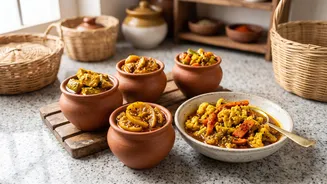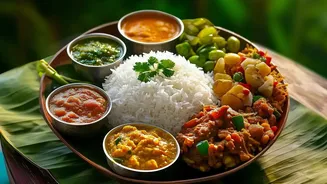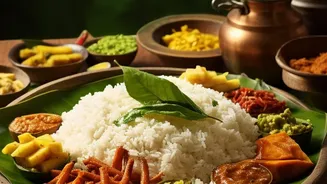

A taste of childhood often arrives in a glass jar. For many, it's the memory of a grandmother's sun-drenched terrace lined with pickles maturing to perfection. Now, that nostalgic flavour is making a powerful comeback in urban Indian kitchens.
The Return of a Tangy Tradition
In the bustling
kitchens of India's metro cities, a quiet culinary revival is taking place. Urban consumers, increasingly wary of mass-produced foods, are looking past supermarket shelves and rediscovering the complex, robust flavours of traditional sun-dried pickles. This isn't just about finding a condiment; it's a movement driven by a craving for authenticity, nostalgia, and a deeper connection to regional culinary heritage. Small-batch artisanal brands and home chefs are finding a receptive audience online, bridging the gap between ancestral recipes and modern lifestyles. They are bringing back not just the classic mango and lime varieties, but a whole spectrum of regional specialities, from fiery North Indian chilli pickles to the unique vegetable blends of the South.
The Science and Soul of Sunshine
What separates these pickles from their factory-made counterparts is the age-old technique of sun-drying and natural fermentation. Unlike commercial methods that often rely on high heat, vinegar, and chemical preservatives to speed up the process and ensure a long shelf life, the traditional method is a patient art. Fruits and vegetables are first dried in the sun to reduce moisture content, which is crucial for preservation. They are then mixed with spices and oil and left to mature under the sun's gentle warmth. This process encourages the growth of beneficial probiotic bacteria like Lactobacillus, which breaks down natural sugars into lactic acid. This not only preserves the pickle but also imparts a characteristic tangy flavour and creates a food rich in probiotics, known to support gut health and digestion.
A Jar Full of Heritage
The practice of pickling in India is a tradition that dates back thousands of years, born from the practical need to preserve seasonal harvests in a pre-refrigeration era. But it evolved into much more than a preservation technique; it became a cornerstone of Indian households, a symbol of family, and a communal ritual. The act of making pickles, from preparing the spices to mixing the ingredients, was often a shared activity that brought families and communities together. Every region, and indeed every family, developed its own signature recipes and methods, turning the humble 'achaar' into a vessel of culinary identity. Reviving these practices is about more than just taste; it's about safeguarding generations of wisdom and reconnecting with food that tells a story.
Meet the New Pickle Purveyors
Across India, a new generation of food entrepreneurs is championing this return to tradition. Many of these businesses, often started by home chefs and food lovers, began during the pandemic and have since blossomed. In Delhi, brands honour their diverse heritage with unique offerings like pork pickle. Others focus on sourcing ingredients directly from farms to create traditional thokkus and pickles without preservatives. These newage 'pickle barons' use social media and directtoconsumer websites to share the stories behind their recipes and processes, reaching customers who crave transparency and preservativefree products. They celebrate an astonishing diversity of pickles, reintroducing urban palates to everything from jackfruit and lotus stem to bamboo shoot pickles from the Northeast.
Bringing the Tradition Home
The trend isn't limited to buying from artisanal makers. A growing number of city dwellers are trying their hand at making pickles themselves, adapting the timehonoured process to modern urban life. Balconies and terraces are transforming into miniature picklemaking stations, with glass jars soaking up the sun. Online communities and workshops offer guidance on everything from sterilizing jars to perfecting spice blends. This handson approach offers a fulfilling way to disconnect from the fast pace of city life and engage in a slower, more intentional form of cooking. It’s a tangible link to the past, proving that even in a concrete jungle, the traditions of the sun and soil can find a way to thrive.