





The Physical Payoff
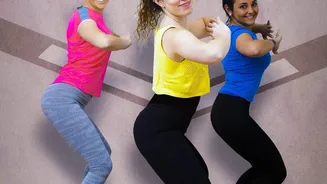
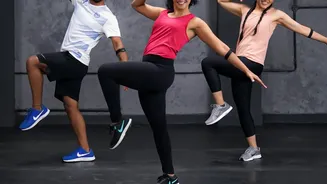
From a purely physical standpoint, both running and dancing offer excellent cardiovascular workouts. A 30-minute jog and a 30-minute high-energy dance class, like Zumba or Bhangra, can burn a similar number of calories, typically between 130 and 250,
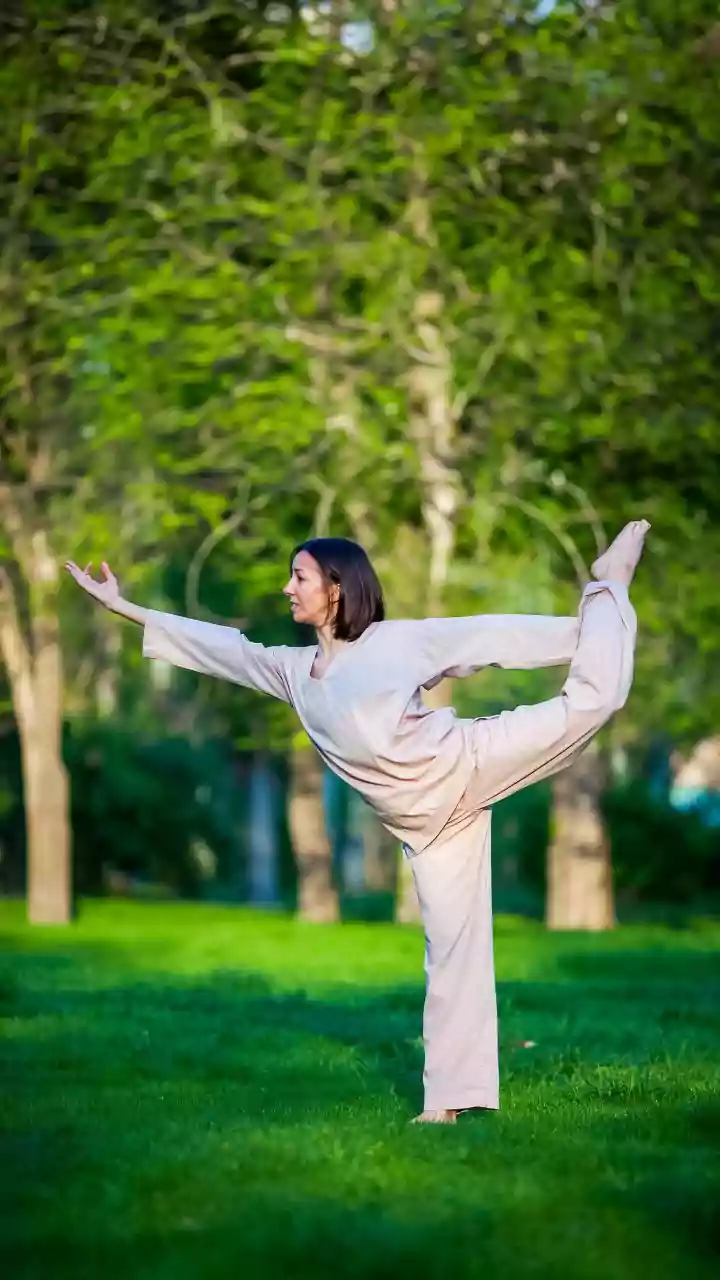
depending on your body weight and intensity. However, the way they work your body differs. Running primarily targets your lower body and core, building endurance and leg strength. Dance, on the other hand, is often a full-body workout. The varied movements of a choreographed routine can improve flexibility, balance, and coordination while engaging muscles in your arms, back, and core that running might miss.
The Mental and Emotional Boost
Exercise is a well-known mood booster, but the mental rewards of dancing and running stem from different sources. Solo running provides a unique space for solitude and reflection. Many runners describe a 'runner's high', an endorphin-fueled state of clarity and pleasure that can reduce stress and elevate mood after just a 30-minute run. It offers a chance to disconnect from daily pressures and focus inward. Group dancing, conversely, provides a mental lift through community and music. The energy of a shared experience can be highly motivating and studies suggest group exercise leads to a greater reduction in stress compared to working out alone. The act of learning new steps also keeps the brain sharp, improving memory and cognitive function.
Social Scene vs. Peaceful Solitude
Your personality plays a huge role in which activity you'll prefer long-term. Group dance classes are inherently social. They create a sense of community and accountability; you're more likely to show up when you know an instructor and classmates are expecting you. This shared energy can make a workout feel less like a chore and more like a party. For those who draw energy from others, this is a major advantage. Solo running is the ideal choice for introverts or anyone who uses exercise as 'me time'. It offers complete freedom and flexibility. You can run whenever and wherever you want, at your own pace, without any pressure to keep up with a group. This autonomy can be incredibly empowering and meditative.
Cost, Convenience, and Accessibility
When it comes to practical matters, running is the clear winner on cost. All you truly need is a good pair of running shoes and the open road. It's an accessible, budget-friendly option that requires no membership or scheduled appointments. Group dance fitness usually involves a cost. In major Indian cities, monthly fees for classes like Zumba or Bollywood dance can range from ₹2,000 to ₹5,000. While online classes offer a cheaper alternative, in-person sessions require you to adhere to a fixed schedule and location. This structure works well for those who need it, but it's less flexible than the spontaneous nature of a solo run.
The Risk of Injury
Every physical activity carries some risk of injury. For runners, the repetitive impact can lead to overuse injuries like shin splints, runner's knee, and plantar fasciitis. Proper footwear and paying attention to form are crucial for prevention. Dance injuries can be more varied due to the diverse movements, with sprains and joint issues being common. However, some research suggests that the varied, multi-directional movements in dance can build stronger bones and that moderate running may actually be beneficial for knee health by reducing inflammation. In both activities, listening to your body, warming up properly, and not pushing too hard too soon are the best ways to stay safe.