



More Than Just a Day of Celebration
National Handloom Day was established to honour the legacy of India's weavers and commemorate the Swadeshi Movement, which began on August 7, 1905. That movement championed indigenous industries and self-reliance, a spirit that the handloom sector continues
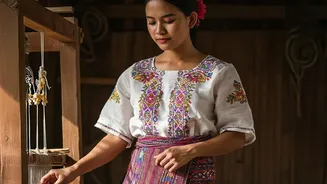
to embody. Today, the observance serves a dual purpose: to celebrate the country's rich textile heritage and to generate awareness about the importance of supporting the handloom community. This sector is one of India's largest, providing a critical source of livelihood, particularly in rural and semi-rural areas, with women making up over 70% of the workforce. It’s a field celebrated for being eco-friendly, requiring minimal capital and power.
Understanding the 3.5 Million Strong
The headline figure of 3.5 million (or 35 lakh) workers comes from the Fourth All India Handloom Census. This massive workforce is the human engine behind the textiles that are a hallmark of Indian culture. Yet, the reality for many of these artisans is one of economic struggle. Data shows that a significant majority of weavers earn less than the minimum wage, with one report indicating that 67% earn less than ₹5,000 a month. Low and unstable wages, coupled with the rising cost of raw materials like yarn and dyes, create immense pressure on weavers and their families. This economic precarity is a key reason younger generations are increasingly looking for opportunities outside the traditional family craft.
Old Threads and Modern Pressures
The challenges facing the handloom industry are complex. The primary threat comes from competition with power looms and machine-made textiles, which can be produced faster and cheaper. This often leaves handloom products, which are labour-intensive by nature, positioned as luxury or niche items rather than everyday essentials. Furthermore, weavers often face difficulties with market access, depending on intermediaries which can squeeze their already thin profit margins. While government initiatives like the National Handloom Development Programme (NHDP) and the Weaver MUDRA Scheme aim to provide support through financial aid, skill development, and raw material supply, their impact on the ground can be uneven.
A Digital Weave of Hope
Despite the hurdles, there is a new reason for optimism, and it lies in the evolving marketplace. The rise of e-commerce and social media has created unprecedented opportunities for weavers to connect directly with consumers, bypassing traditional gatekeepers. This allows them to tell their stories, showcase their craftsmanship, and potentially earn better prices for their work. Simultaneously, a growing consumer consciousness around sustainable and ethical fashion is creating a new demand for authentic, handcrafted goods. Shoppers are increasingly looking for products with a story and a connection to cultural heritage, a space where handloom excels. This shift presents a powerful opportunity to revitalize the sector from the demand side.
Your Wardrobe Can Be Your Vote
So, what can the average shopper do? The first step is to become a more informed consumer. Learning to identify authentic handloom is key. Genuine handwoven fabrics often have slight imperfections or irregularities, which are considered a hallmark of their authenticity, unlike the flawless uniformity of machine-made products. Looking for the official Handloom Mark, a government certification, is another way to ensure you are buying a genuine product. When you choose to buy authentic handloom, whether it's from a government emporium, a certified seller, or directly from an artisan cooperative online, you are doing more than just acquiring a beautiful piece of fabric. Your purchase becomes a vote of confidence in a centuries-old tradition and a direct investment in the livelihood of an artisan and their community.