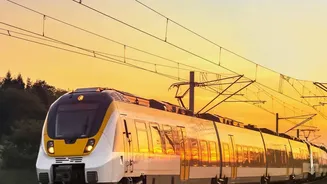





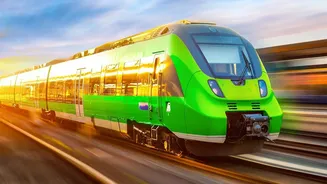
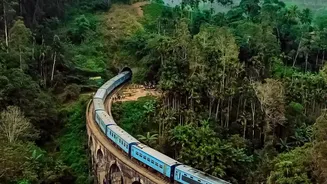

An Engineering Marvel Years in the Making
The journey of the Vande Bharat to Srinagar is built on the backbone of the Udhampur-Srinagar-Baramulla Rail Link (USBRL), a 272-kilometre project of immense strategic importance. Sanctioned decades ago, this railway line was one of the most challenging
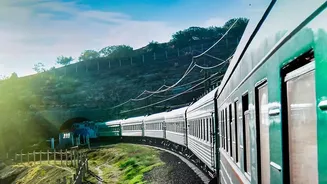
engineering projects in India's history, cutting through the formidable Pir Panjal mountain range. The route features engineering wonders like the Chenab Rail Bridge, the world's highest railway arch bridge, and the Anji Khad Bridge, India's first cable-stayed railway bridge. Completing this link was a monumental task, overcoming geological complexities and harsh weather. The final commissioning of the entire line connected the Kashmir Valley to the rest of the Indian railway network, turning a long-held dream into reality.
All-Weather Lifeline to the Valley
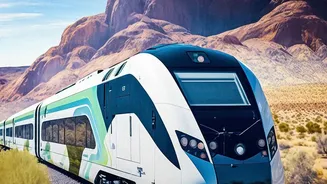
For decades, the Jammu-Srinagar National Highway (NH-44) was the primary, yet notoriously unreliable, link to the valley. Prone to frequent closures due to heavy snowfall in winter and landslides during monsoons, the highway often left Kashmir cut off for days, disrupting supply chains and stranding thousands. The Vande Bharat service, operating on the all-weather USBRL, changes this entirely. It provides a dependable, year-round transportation alternative, capable of running even in sub-zero temperatures. This reliability is a psychological and logistical game-changer, ensuring that the movement of people and goods is no longer at the mercy of the treacherous mountain weather. The journey time has also been slashed from a grueling 8-11 hours by road to under five hours by train.
A Shot in the Arm for the Economy
The economic impact of this new rail link is transformative. For Kashmir's vital horticulture sector, it's a lifeline. Farmers can now transport perishable goods like apples, cherries, and other produce to markets across India with unprecedented speed and reliability, reducing spoilage and fetching better prices. The railway is also critical for bringing essential supplies such as food grains, cement, and fuel into the valley more efficiently and at a lower cost. Reports have already noted a drop in the price of essential goods like cement since freight services began. This two-way flow of goods integrates Kashmir's economy more deeply with the rest of the country, boosting trade for local artisans and entrepreneurs and fostering new business opportunities.
Redefining Tourism in Paradise
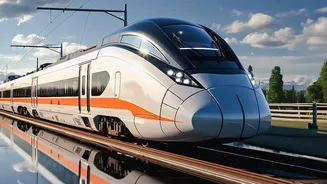
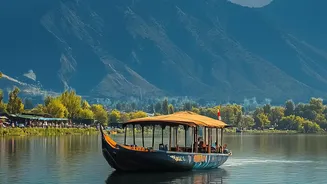
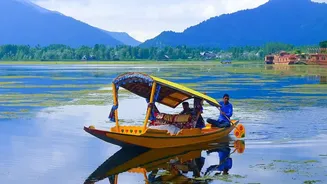
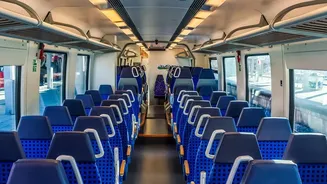
While Kashmir has always been a coveted tourist destination, the Vande Bharat service is set to redefine tourism in the region. The modern, comfortable, and high-speed train makes the valley more accessible to a wider range of travelers. The scenic journey itself, offering panoramic views of the Himalayas through large windows, has become an attraction. The increased connectivity has already contributed to record tourist arrivals, with more than 2.3 crore visitors recorded in 2024. This influx provides a significant boost to the local hospitality industry, from hotels and houseboats to transport providers and handicraft sellers, creating widespread economic benefits and employment.
Strengthening Strategic and Social Bonds
Beyond the economic and tourism benefits, the Vande Bharat service carries immense strategic and social significance. A reliable rail link to this border region is crucial for national security, enabling faster and more efficient movement of personnel and supplies. Socially, it plays a vital role in integrating the valley with the rest of India, reducing the sense of isolation that has long been a feature of its geography. The train service, which has seen consistently high demand since its launch, physically and symbolically connects hearts and minds, fostering a greater sense of national unity and shared progress. Due to overwhelming demand, Indian Railways has already added a third Vande Bharat service and increased the number of coaches on the route.