

The Monsoon's Alluring Call
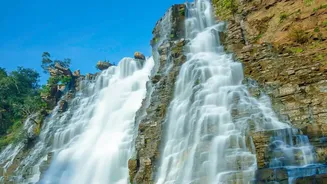
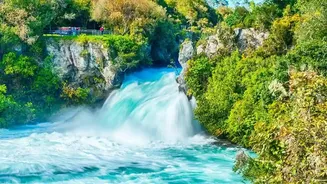
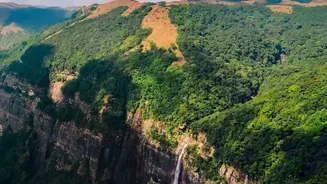
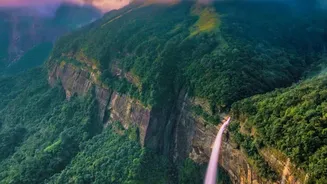
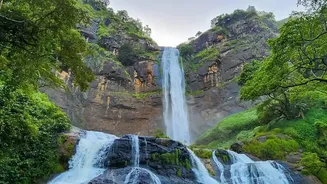
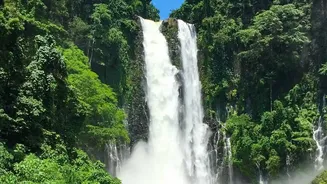
With the monsoon intensifying across Maharashtra, the state's iconic waterfalls have sprung to life, creating a powerful magnet for tourists. Following a period of intense heat, the lush, mist-covered landscapes of Lonavala, Khandala, Igatpuri, and the Amboli
ghats are seeing a significant influx of visitors. Popular spots like Bhushi Dam in Lonavala are overflowing, with viral videos showing hundreds of people flocking to its steps to celebrate the season. This annual pilgrimage for city dwellers from Mumbai, Pune, and beyond is a cherished ritual, as families, bikers, and trekkers head to the hills to witness the raw beauty of the revitalised rivers and cascades. The surge is also providing a boost to local businesses in border regions like Chandgad and Amboli, where hotels and vendors are seeing brisk business from the weekend crowds.
A Paradise Laced with Peril
The very force that makes these waterfalls beautiful also makes them treacherous, and the current monsoon has already proven deadly. In late July, a series of incidents have highlighted the extreme risks. On July 28, over 70 tourists, including children, had to be rescued from Zenith Waterfall in Khopoli after a sudden downpour caused water levels to swell, trapping them. It was the third such rescue operation at the same waterfall this month, underscoring the recurring danger of flash floods. Just days earlier, a weekend outing turned tragic near a waterfall in Thane's Shahapur taluka, where a flash flood swept away a group of friends, resulting in one death and another person going missing. Authorities have consistently warned that water levels can rise within minutes, turning a pleasant picnic spot into a life-threatening situation.
Malshej Ghat: A Destination Shuts Down
Even the most iconic monsoon drives are not immune to the season's power. Malshej Ghat, a beloved destination famous for its waterfalls that cascade directly onto the road, has been closed to all traffic indefinitely. Heavy rainfall caused a newly built stretch of National Highway 61 to collapse, leading authorities to shut down the entire ghat section over fears of a larger subsidence. The closure is a major blow to tourism in the region and highlights the vulnerability of infrastructure during intense monsoon spells. The shutdown came just as two separate drowning incidents were reported in the Kalu river within the Malshej Ghat section, further cementing the area's hazardous reputation this season.
Unprecedented Rules and Restrictions
In response to the rising number of accidents, district authorities across Maharashtra have implemented some of the strictest safety measures in a decade. Collectors in Pune, Thane, Raigad, and Nashik have issued sweeping prohibitory orders under Section 163 of the Bharatiya Nagarik Suraksha Sanhita (BNSS), effectively banning or severely restricting access to hundreds of popular waterfalls, dams, and forts through the monsoon season. In the Lonavala region, the order explicitly prohibits entering water bodies, taking selfies or filming reels near cliff edges, and gatherings of more than five people at these spots. These rules are being actively enforced with police patrols, and officials have warned that violators will face legal action.
Rethinking the Monsoon Outing
For tourists, this new reality requires a significant change in mindset. The spontaneous trip to a favourite waterfall may no longer be possible or safe. Many popular trekking destinations, such as Devkund, are officially closed to the public until the end of September. The official advisories are clear: avoid visiting these spots during heavy rain, stay away from fast-flowing streams, and do not risk your life for a photograph. The forest department has urged visitors to enjoy the monsoon responsibly, remain conscious of their own safety, and respect the posted warnings and closures. The message is that while the desire to experience the monsoon's beauty is understandable, the potential consequences of underestimating its power are severe.