






Fresh, zesty, and endlessly versatile, coriander is a staple in Indian kitchens, but its potential goes far beyond a simple garnish. Let's explore how to carefully craft the perfect coriander salad dressing from scratch, turning any salad into a star.
The Underrated Star of Salads
Coriander, or dhaniya, is the humble hero of countless Indian dishes. We sprinkle it on curries, grind it into chutneys, and mix it into marinades for that unmistakable fresh, citrusy aroma. Yet, when it comes to salads, this vibrant herb is often overlooked. Moving coriander from a last-minute garnish to the main event of a dressing can completely transform a simple bowl of greens. Making your own dressing at home is not only healthier, as it avoids the preservatives and sugars in many store-bought options, but it also puts you in complete control of the flavour. A homemade coriander dressing captures the herb at its peak freshness, delivering a punch of flavour that bottled versions simply cannot match. It’s a simple step that elevates your everyday meal into something truly special.
The Creamy Green Dream
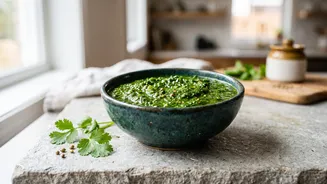
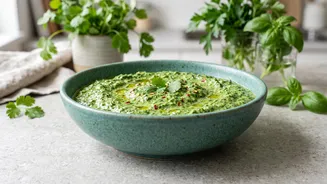
One of the most popular ways to enjoy a coriander dressing is in a creamy, yogurt-based form. This style is reminiscent of a classic green chutney but adapted for a milder, more pourable consistency perfect for coating leaves and vegetables. To make it, you’ll need a food processor or blender. Combine about one packed cup of fresh coriander leaves and tender stems, a clove of garlic, a small green chilli (optional), and the juice of half a lime. To this, add about three-quarters of a cup of plain, thick yogurt (dahi) or Greek yogurt. Process everything until smooth. Now, taste and adjust. You might want to add a pinch of salt, a dash of cumin powder, or a teaspoon of honey to balance the tanginess. If the dressing is too thick, you can thin it out with a little water or milk until it reaches your desired consistency. This dressing is wonderfully versatile and keeps in the fridge for up to a week.
A Lighter Touch: Coriander Vinaigrette
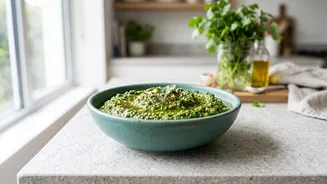
For those who prefer a lighter, oil-based dressing, a coriander vinaigrette is a fantastic alternative. This version is sharp, zesty, and allows the pure flavour of the coriander to shine through. The basic formula for a vinaigrette is oil and acid, enhanced with flavourings. To create a coriander version, combine half a cup of packed coriander leaves, one minced garlic clove, two tablespoons of white vinegar, and the juice of one lime in a blender. While the blender is running on low, slowly drizzle in about a third to a half cup of extra virgin olive oil until the dressing emulsifies and becomes slightly creamy. Season with salt, pepper, and perhaps a pinch of red pepper flakes for a little heat. This vinaigrette is perfect for drizzling over everything from simple greens to bean salads and grilled vegetables.
Getting It Right: Tips for Success
The word 'carefully' in the headline is key. The quality of your dressing depends on a few important details. First, always use the freshest coriander you can find, with bright green leaves and firm stems. Before blending, wash the coriander thoroughly to remove any grit, then dry it well; a salad spinner is excellent for this. Excess water can dilute the flavour and affect the dressing's texture. When it comes to flavour balancing, taste as you go. The acidity of limes and the saltiness of salt can vary, so add them incrementally. A small amount of sweetener like honey or a pinch of sugar can balance the acidity and round out the flavours beautifully. Finally, don’t be afraid to use the tender stems along with the leaves, as they are packed with flavour.
Beyond the Salad Bowl
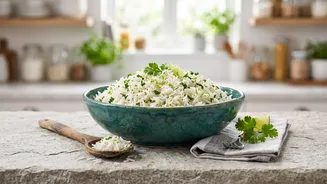
While these creations are called salad dressings, their use doesn't have to end there. The creamy yogurt dressing makes an excellent dip for kebabs, pakoras, or vegetable sticks. You can also use it as a spread for sandwiches and wraps, adding a fresh, herby layer of flavour. The vinaigrette, on the other hand, works beautifully as a marinade for chicken or fish, infusing the protein with its zesty character before grilling or baking. Drizzle it over roasted vegetables, toss it with pasta, or spoon it over a simple bowl of rice to add instant excitement. Thinking of your dressing as a multi-purpose sauce opens up a world of culinary possibilities.