



What Exactly Is Gut Comfort?
Gut comfort goes beyond simply avoiding a stomach ache. It’s about nurturing the complex ecosystem within your digestive system, known as the gut microbiome. This internal world of trillions of bacteria, yeasts, and other microbes is crucial for everything
from breaking down food and absorbing nutrients to supporting your immune system and even influencing your mood. When this delicate balance is disrupted by rich, sugary, and fatty festive foods, it can lead to bloating, gas, indigestion, and general sluggishness. Prioritising gut comfort means making conscious choices that support these beneficial microbes, ensuring your digestive system runs smoothly so you can feel energised and well, even amidst indulgence.
Start with Smart, Simple Additions
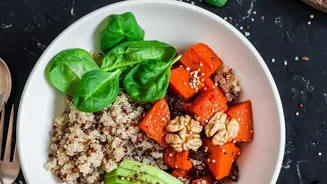
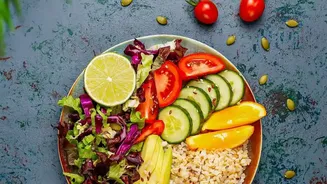
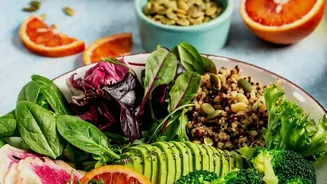
The good news is that you don't have to overhaul your entire festive menu. The key is to incorporate gut-friendly foods. Start by loading half your plate with vegetables and fibre-rich sides. Fibre is essential as it feeds good gut bacteria and promotes regular digestion. Also, embrace the power of probiotics—the beneficial bacteria themselves. Including a serving of plain curd (dahi), yogurt, or other fermented foods like kimchi or sauerkraut can help replenish the healthy flora in your gut. These small additions work to balance out the heavier dishes on the table.
Embrace Prebiotics and Power Spices
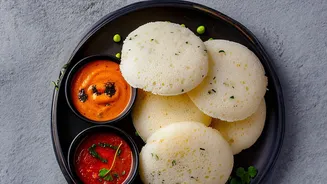
While probiotics add good bacteria, prebiotics are the food that helps them thrive. Many common Indian ingredients are excellent sources of prebiotics, including onions, garlic, bananas, and whole grains. Making smart swaps can also make a significant difference. Using jaggery instead of refined sugar or opting for homemade sweets gives you more control over ingredients. Traditional Indian spices are digestive powerhouses, too. Ginger is a natural anti-inflammatory that eases digestion, while fennel (saunf) and peppermint can help relieve gas and bloating. Sipping on a warm cup of herbal tea with these ingredients after a meal can soothe your stomach and aid digestion.
Mindful Habits Make a Difference
How you eat is just as important as what you eat. Rushing through meals can cause you to swallow excess air, leading to bloating. Practising mindful eating—chewing each bite thoroughly, putting your utensils down between bites, and truly savouring the flavours—can prevent overeating and reduce digestive strain. Staying hydrated is another critical habit. Drinking plenty of water throughout the day aids digestion and prevents constipation, but try to sip it between meals rather than chugging a large amount at once, which can increase bloating. Limiting carbonated and sugary beverages also helps keep your gut happy.
Don't Forget to Move
Resisting the urge to crash on the sofa after a heavy meal can do wonders for your digestion. Even a short, gentle walk of 10–15 minutes helps stimulate your system, moving food and gas through your digestive tract more efficiently. Light physical activity can also help balance blood sugar levels after an indulgent meal. It’s not about a strenuous workout; it's about gentle movement to prevent that feeling of post-meal sluggishness and support your body’s natural processes. Incorporating a post-meal stroll can become a pleasant festive tradition for the whole family.