






The Spontaneity Paradox
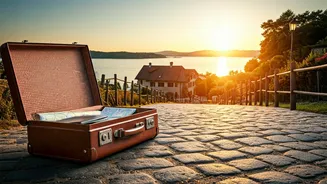
For many, the idea of a last-minute trip conjures images of reckless abandon—throwing a dart at a map and hoping for the best. But for Generation Z, spontaneity looks a little different. Driven by a blend of flexible work schedules, social media-fueled
wanderlust, and a post-pandemic urge to seize the day, they are far more likely to book trips with shorter lead times than their millennial or Gen X predecessors. A viral TikTok showcasing a hidden gem in Vietnam or a friend's Instagram story from a Goa beach can spark an immediate travel plan. According to multiple travel industry reports, this cohort, born roughly between 1997 and 2012, has a much smaller booking window. They don't plan their annual leave a year in advance; they see an opportunity and they take it. This isn't carelessness; it's a calculated response to a world that feels increasingly unpredictable. Why plan for six months from now when things could change overnight?
Digital Natives, Instant Planners
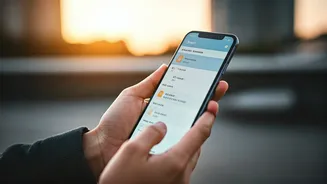
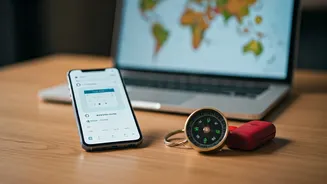
This thirst for impromptu adventure is enabled, not hindered, by technology. Gen Z doesn't need a travel agent or a dusty guidebook. They have a supercomputer in their pocket. ‘Last-minute’ for them doesn’t mean ‘uninformed.’ Within minutes, they can compare flight prices on Skyscanner, find a highly-rated Airbnb, check reviews on TripAdvisor, and download an offline map of their destination. This digital fluency transforms a potentially risky decision into a manageable one. They crowdsource recommendations from online communities and trust peer reviews over glossy marketing brochures. The entire planning process, from inspiration to booking confirmation, can happen in the time it takes to finish a cup of coffee. This efficiency is key to their travel style, making spontaneity feel both accessible and smart.
Safety Isn't an Afterthought
Here's where the paradox deepens. While they embrace impulsiveness, Gen Z is arguably the most safety-conscious generation of travellers yet. Growing up in an era of constant connectivity, 24-hour news cycles, and heightened global awareness, they don't take security for granted. This is particularly true for the rising number of young solo travellers, especially women. Before booking, they are researching the safety of neighbourhoods, reading reviews that specifically mention security, and checking travel advisories. They are more likely to share their live location with family and friends, use apps designed for traveller safety, and invest in personal safety devices. For them, safety isn't a buzzkill; it’s a prerequisite for enjoyment. It's the foundation upon which their spontaneous adventures are built.
The New Travel Toolkit
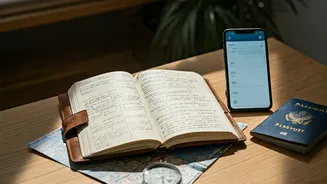
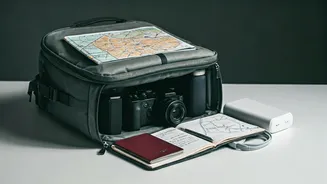
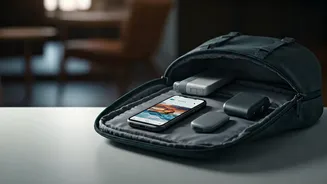
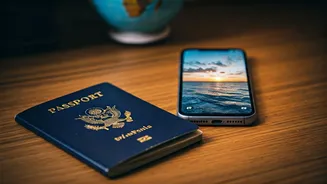
The tools Gen Z uses reflect this dual focus. They rely on apps not just for booking but for peace of mind. A typical Gen Z traveller’s phone might have a flight booking app next to a currency converter, a translation app, and a safety app like Noonlight or bSafe. They share their itinerary digitally with parents and keep digital copies of their passports and visas in a secure cloud folder. They are also more likely to prioritise accommodations that have 24/7 security, good lighting, and positive reviews from other solo travellers. This meticulous digital preparation is the invisible scaffolding that makes their spur-of-the-moment trips possible. It allows them to be flexible with their destination while remaining rigid about their personal security standards.
A Generation Shaped by Uncertainty
Ultimately, this unique travel style is a direct reflection of the world Gen Z has inherited. They came of age amidst economic instability, political polarisation, and a global pandemic that taught them that plans are fragile. Their response has been to build a life—and a travel philosophy—that is both resilient and adaptable. They crave the freedom of spontaneity because the future feels uncertain, but they insist on safety because the present feels unpredictable. They have learned to navigate a complex world by leveraging technology to mitigate risk while maximizing opportunity. This isn't a contradiction; it's a deeply pragmatic survival strategy for the 21st-century explorer.