





Choose the Right Monsoon Plants
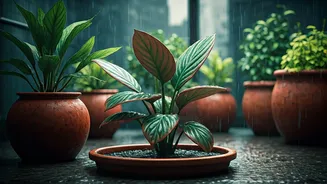
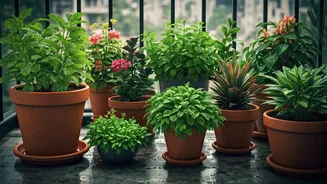
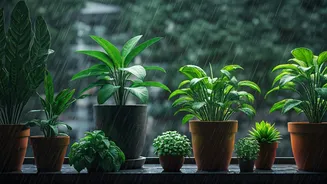
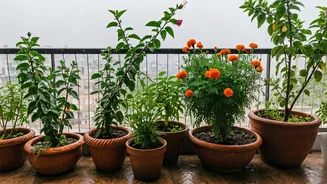
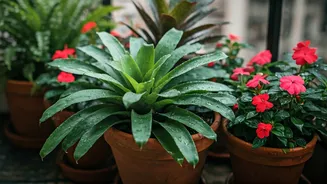
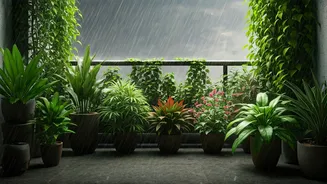
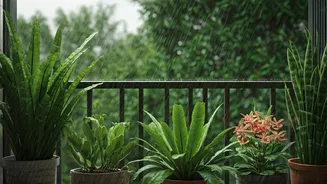
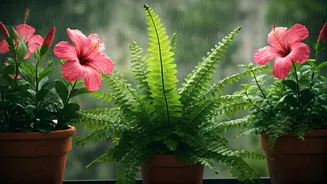
Not all plants enjoy the constant dampness of the rainy season. The key to a thriving monsoon garden is selecting species that flourish in high humidity and moist conditions. Flowering plants like hibiscus, balsam, and marigolds add a splash of colour
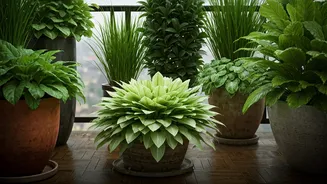
and are known to perform well during this season. Fragrant options such as jasmine (mogra) and rain lilies, which magically bloom after a shower, can make your balcony a sensory delight. For those looking to grow edibles, herbs like mint and leafy greens like spinach and amaranth grow quickly in the damp soil. You can also try vegetables like chillies, okra (bhindi), and various gourds. Decorative foliage plants like ferns, coleus, and money plants also love the monsoon humidity and can add layers of green to your space.
Master the Art of Drainage
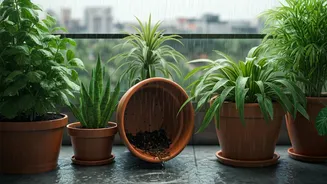
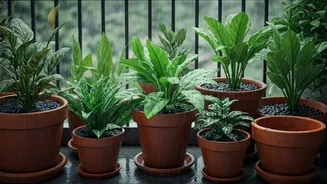
The single biggest threat to potted plants during the monsoon is waterlogging. When soil stays saturated, it suffocates the roots, leading to root rot and killing the plant. The golden rule is to ensure every pot has adequate drainage holes. Before planting, you can place a piece of broken pottery over the hole to prevent it from getting clogged with soil. Using terracotta pots can be beneficial as they are porous and allow excess moisture to evaporate. Elevating your pots on bricks or stands is another simple but effective trick to improve airflow and prevent them from sitting in puddles. During heavy downpours, it's also wise to remove the saucers or drip trays from underneath your pots, as they can collect stagnant water, which is also a breeding ground for mosquitoes.
Perfect Your Potting Mix
Standard garden soil is often too dense for pots and can become heavily compacted during the rains. For monsoon gardening, a light, porous, and well-draining potting mix is essential. A good DIY recipe involves blending garden soil with materials that improve aeration and drainage. A common recommendation is a mix of 40% garden soil or cocopeat, 30% compost (like vermicompost), and 30% sand or perlite. Perlite, a lightweight volcanic rock, is excellent for creating air pockets in the soil. Cocopeat helps retain moisture without becoming waterlogged. This balanced mix ensures that while the soil holds enough water for the plant, any excess from heavy rains can drain away freely.
Water Wisely, Even When It's Raining
It may seem counterintuitive, but you still need to monitor your plants' water needs during the monsoon. Don't assume the rain is doing all the work. Sometimes, a brief shower might only wet the top layer of soil, leaving the roots dry. Conversely, several days of rain can lead to overwatering. The best practice is to check the soil manually. Stick your finger about an inch into the soil; if it feels dry, it's time to water. If it's moist, hold off. Plants under a roof or in sheltered parts of the balcony will still need manual watering. Paying attention to your plants' specific needs is crucial to avoid both underwatering and the dreaded root rot.
Keep Pests and Diseases at Bay
The high humidity of the monsoon creates a perfect breeding ground for pests and fungal diseases. Common culprits include slugs, snails, mealybugs, and fungal infections like powdery mildew and leaf spot. Regular inspection is your first line of defence. Check under leaves and around the stems for any signs of trouble. To prevent fungal issues, ensure good air circulation by not overcrowding your plants and pruning them to remove excess foliage. For pest control, natural remedies like a neem oil spray can be very effective against common insects like aphids and mealybugs. Sprinkling wood ash or crushed eggshells around pots can deter slugs and snails.
Provide Support and Shelter
Monsoon storms can bring strong winds that can damage or even topple top-heavy plants. Taller plants or those with weak stems should be given support by staking them with sticks. If you have climbing plants, ensure they are securely tied to their trellis or support structure. During exceptionally heavy downpours, you might need to temporarily move more delicate plants to a sheltered spot to protect them from the sheer force of the water, which can damage leaves and cause soil erosion from the pots. A little bit of structural support can go a long way in helping your green friends weather the storm and continue to thrive.