






The Problem of the 'Health Halo'
For years, shoppers have navigated a maze of packaged foods adorned with appealing but often ambiguous health claims. Terms like “healthy,” “natural,” or “high in vitamins” create a “health halo,” leading consumers to believe a product is good for them
overall, even if it's packed with hidden sugars, sodium, or unhealthy fats. This has become a significant public health issue in India, which is facing a sharp rise in non-communicable diseases (NCDs) like diabetes and obesity. These conditions are responsible for nearly 60% of annual deaths in the country. The aggressive marketing of ultra-processed foods, especially to children, has made it difficult for consumers to make genuinely healthy choices based on the information provided on the front of the pack.
FSSAI's Crackdown on Misleading Terms
In response, the Food Safety and Standards Authority of India (FSSAI) has started a major enforcement drive. The regulator has been issuing notices to numerous food companies for using claims that may be misleading or are not scientifically substantiated. This includes targeting absolute claims like “100% Pure” and “100% Natural,” which FSSAI argues are often not clearly defined under regulations and can create a false impression of a product's quality. Several brands have already been directed to remove such terms from their packaging and advertising. The scrutiny also extends to brand names that imply health benefits, such as using the word “healthy” in the company name, and to products claiming to be “organic” or “vegan” without the necessary certifications.
The Push for Front-of-Pack Labelling (FOPL)
A key part of the solution is the introduction of mandatory Front-of-Pack Labelling (FOPL). This system involves placing clear, simple nutritional information or warning symbols on the front of packages, allowing consumers to quickly identify products high in sugar, salt, and saturated fat. While the process to finalise FOPL regulations started as early as 2014, it has been beset by long delays. This inaction recently drew sharp criticism from the Supreme Court, which questioned the government's commitment to public health and gave FSSAI a “last chance” to finalise its decision. Over 44 countries have already adopted some form of FOPL, with nations like Chile and Mexico implementing clear warning labels.
What New Labels Could Look Like
The main debate in India is over what form FOPL should take. Health advocates and some experts push for simple, interpretive warning labels, such as black octagons, which are proven to be effective in discouraging the consumption of unhealthy products. On the other hand, some industry bodies and FSSAI's own past proposals have leaned towards a “Health Star Rating” system. This model would rate a product on a scale (e.g., 0.5 to 5 stars) based on its overall nutritional profile. Critics argue that star ratings can be confusing and might still create a health halo for ultra-processed foods that receive a relatively high rating despite containing unhealthy ingredients. The final decision on the format remains pending.
What This Means for You, the Consumer
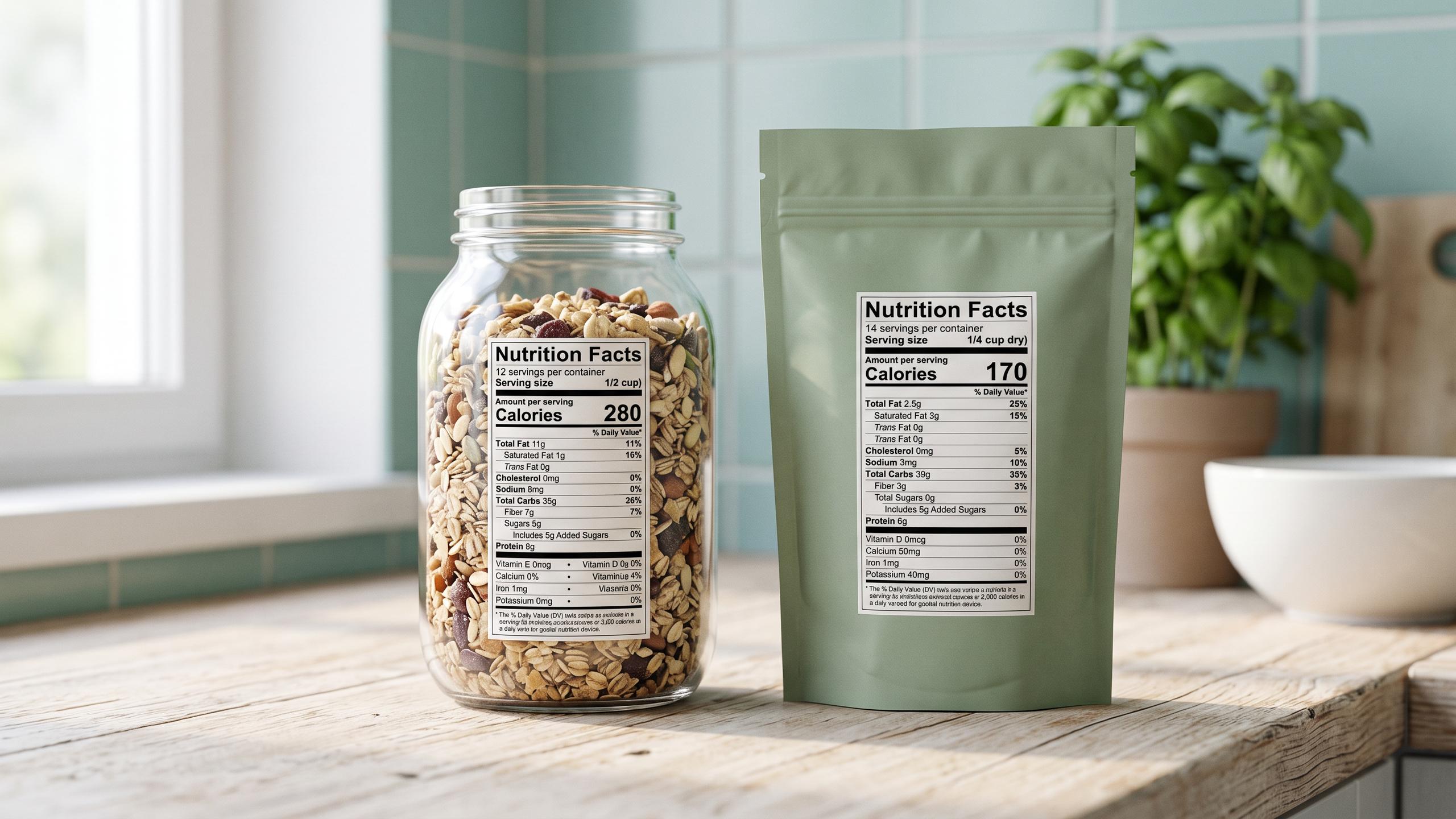
The goal of FSSAI's increased vigilance and the push for FOPL is to empower you to make informed dietary choices quickly and easily. Clearer labels mean you won't have to spend time deciphering complicated nutritional tables on the back of a package. The crackdown ensures that the claims you see are truthful and scientifically backed, as per the Food Safety and Standards (Advertising and Claims) Regulations, 2018. For instance, a product can't claim to be a “source of” a nutrient unless it contains at least 15% of the daily recommended value. Ultimately, this regulatory shift aims to safeguard your right to health and information, helping you see past the marketing and understand what you are truly eating.